Recent News

Category: Health and Pharmaceuticals - Page 2

Leukemia and Lymphoma: Targeted and Cellular Therapies Explained

Leukemia and Lymphoma: Targeted and Cellular Therapies Explained

Targeted therapies and CAR T-cell treatments are transforming leukemia and lymphoma care, offering deeper remissions and fewer side effects than chemotherapy. Learn how they work, who benefits most, and what the future holds.

read more
First Generic vs Authorized Generic: How Market Entry Timing Changes Drug Prices

First Generic vs Authorized Generic: How Market Entry Timing Changes Drug Prices

First generics and authorized generics enter the market differently, and timing determines how much you pay. Learn how brand companies use authorized generics to undercut independent generics and slow price drops.

read more
First Generic Approval: Why It Matters and What It Means for Drug Prices and Patient Access

First Generic Approval: Why It Matters and What It Means for Drug Prices and Patient Access

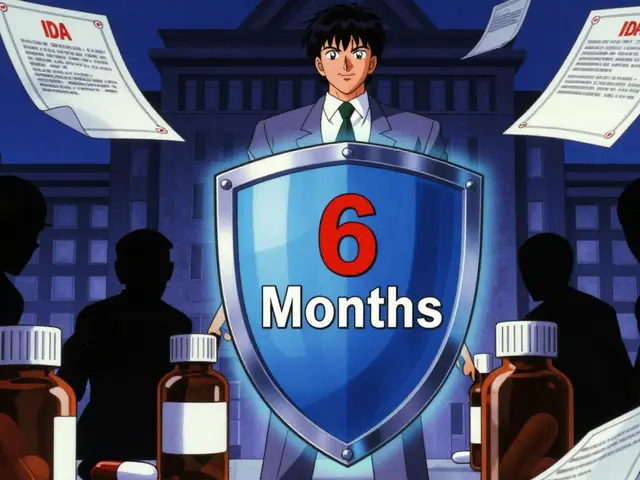
First generic approval by the FDA triggers 180 days of exclusivity for the first generic drug maker, slashing prices and increasing patient access. Learn how this process works, why it matters, and what it means for drug costs.

read more
Hyperthyroidism: How Beta-Blockers Manage Overactive Thyroid Symptoms

Hyperthyroidism: How Beta-Blockers Manage Overactive Thyroid Symptoms

Beta-blockers like propranolol provide fast relief from hyperthyroidism symptoms such as rapid heartbeat and tremors. They don't cure the condition but are essential while waiting for antithyroid drugs or radioactive iodine to work.

read more
Neoadjuvant vs. Adjuvant Therapy: When to Start Cancer Treatment Before or After Surgery

Neoadjuvant vs. Adjuvant Therapy: When to Start Cancer Treatment Before or After Surgery

Neoadjuvant therapy gives cancer treatment before surgery to shrink tumors and test drug response; adjuvant therapy follows surgery to kill leftover cells. New data shows neoadjuvant may be just as effective with fewer side effects, especially for lung and breast cancers.

read more
Post-Menopausal Women and Medication Changes: Safety Considerations

Post-Menopausal Women and Medication Changes: Safety Considerations

Post-menopausal women face unique medication risks due to hormonal shifts, polypharmacy, and age-related changes. Learn how to safely manage hormone therapy, avoid dangerous drug combinations, and reduce medication errors with practical steps and expert guidelines.

read more
Professional Liability and Generic Substitution: How Pharmacists Can Reduce Risk

Professional Liability and Generic Substitution: How Pharmacists Can Reduce Risk

Pharmacists face growing legal risks when substituting generic drugs. Learn how state laws, high-risk medications, and federal preemption create liability traps-and what steps you can take to protect yourself and your patients.

read more
Digital Therapeutics and Medication Interactions: What You Need to Know in 2026

Digital Therapeutics and Medication Interactions: What You Need to Know in 2026

Digital therapeutics are now prescribed alongside medications for diabetes, anxiety, and ADHD. But how do they interact? Learn what works, what doesn't, and what you need to know in 2026.

read more
Digital Therapeutics and Medication Interactions: What You Need to Know in 2026

Digital Therapeutics and Medication Interactions: What You Need to Know in 2026

Digital therapeutics are changing how medications are managed, but their interactions with drugs are poorly understood. Learn what works, what doesn’t, and how to stay safe in 2026.

read more
Real-World Evidence Sources for Drug Safety: Registries and Claims Data Explained

Real-World Evidence Sources for Drug Safety: Registries and Claims Data Explained

Registries and claims data are two key sources of real-world evidence used to monitor drug safety after approval. Learn how they work, their strengths, limitations, and how regulators use them to protect patients.

read more
Sterile Manufacturing for Injectables: Key Requirements and Modern Standards

Sterile Manufacturing for Injectables: Key Requirements and Modern Standards

Sterile manufacturing for injectables demands extreme controls to prevent contamination that can cause death. Learn the key requirements, differences between terminal and aseptic methods, cleanroom standards, and why failures cost millions.

read more
Anticholinergic Medications and Dementia: What You Need to Know About Cognitive Risk

Anticholinergic Medications and Dementia: What You Need to Know About Cognitive Risk

Anticholinergic medications like Benadryl and oxybutynin are linked to increased dementia risk with long-term use. Learn which drugs are most dangerous, how to reduce your cognitive burden, and safer alternatives.

read more
How to Re-Challenge or Desensitize After a Drug Allergy Under Supervision

How to Re-Challenge or Desensitize After a Drug Allergy Under Supervision

Drug desensitization is a safe, medically supervised way to temporarily tolerate a life-saving medication you're allergic to. Used in cancer, autoimmune, and infectious disease treatment, it allows patients to receive essential drugs like chemotherapy or antibiotics despite prior severe reactions.

read more
Buspirone Augmentation with SSRIs: Side Effects and Real-World Efficacy

Buspirone Augmentation with SSRIs: Side Effects and Real-World Efficacy

Buspirone augmentation with SSRIs offers a safe, effective way to treat treatment-resistant depression without the weight gain or sexual side effects of other options. Learn how it works, who benefits most, and what to expect.

read more
Folic Acid and Prenatal Vitamins: What You Need to Know About Medication Interactions in Pregnancy

Folic Acid and Prenatal Vitamins: What You Need to Know About Medication Interactions in Pregnancy

Folic acid is essential in pregnancy to prevent birth defects, but it can interact dangerously with common medications like anticonvulsants, methotrexate, and iron supplements. Learn what to avoid, who needs higher doses, and how to choose the right prenatal vitamin.

read more
Alternative Cholesterol Medications: Ezetimibe and Bempedoic Acid for Statin-Intolerant Patients

Alternative Cholesterol Medications: Ezetimibe and Bempedoic Acid for Statin-Intolerant Patients

Ezetimibe and bempedoic acid are proven, non-statin options for lowering LDL cholesterol when statins cause side effects. Both reduce heart risk, are taken as daily pills, and work differently than statins-making them vital for millions who can't tolerate traditional therapy.

read more
Antiseizure Medications and Generic Substitution: Risks and Best Practices

Antiseizure Medications and Generic Substitution: Risks and Best Practices

Generic substitution of antiseizure medications can save money, but for NTI drugs like lamotrigine and carbamazepine, it carries real risks of breakthrough seizures. Learn the evidence, the risks, and how to protect your treatment.

read more
Fall Prevention Strategies for Sedating Medications in Older Adults

Fall Prevention Strategies for Sedating Medications in Older Adults

Sedating medications increase fall risk in older adults, but proactive medication review and exercise can prevent most injuries. Learn how to identify risky drugs and take action.

read more
Antihistamines: Types, Side Effects, and Safe OTC Use Guidelines

Antihistamines: Types, Side Effects, and Safe OTC Use Guidelines

Learn which OTC antihistamines work best, which cause drowsiness, and how to use them safely. Compare Zyrtec, Claritin, and Allegra with real data on side effects, effectiveness, and long-term use.

read more
How Medicare Part D Generics Save Money on Copays in 2025

How Medicare Part D Generics Save Money on Copays in 2025

In 2025, Medicare Part D slashed out-of-pocket costs for generic drugs with a new $2,000 cap. Learn how copays, formularies, and plan choices affect your savings-and how to make sure you’re getting the most out of your coverage.

read more
Medications You Should Never Use After the Expiration Date

Medications You Should Never Use After the Expiration Date

Some expired medications can be dangerous or ineffective. Learn which ones-like insulin, epinephrine, and liquid antibiotics-you should never use after their expiration date, and why proper storage and disposal matter.

read more
How to Monitor Your Symptoms After a Safety Communication

How to Monitor Your Symptoms After a Safety Communication

Learn how to effectively monitor your symptoms after receiving a safety communication from the FDA, CDC, or WHO. Step-by-step guidance on tracking, reporting, and acting on health alerts to protect yourself and others.

read more
In Vivo vs In Vitro Bioequivalence Testing: When Each Is Used

In Vivo vs In Vitro Bioequivalence Testing: When Each Is Used

In vivo bioequivalence testing uses human volunteers to measure drug absorption, while in vitro testing relies on lab methods like dissolution. Learn when each is required for generic drug approval and how regulators are shifting toward lab-based methods.

read more
How to Read Contraindications and Warnings on Drug Labels

How to Read Contraindications and Warnings on Drug Labels

Learn how to read contraindications and warnings on drug labels to avoid dangerous side effects. Understand FDA-mandated safety sections, Boxed Warnings, and what to ask your doctor before taking any medication.

read more