

The landscape of weight loss medication has shifted dramatically in recent years. For decades, options were limited to older drugs with modest results and significant side effects. Today, GLP-1 agonists have taken center stage, promising substantial weight reduction but coming with high costs and new challenges. This guide breaks down the real differences between these modern injectables and traditional oral medications to help you make an informed decision.
The Rise of GLP-1 Agonists
GLP-1 receptor agonists are a class of medications that mimic natural hormones involved in appetite regulation and glucose metabolism. Originally developed for type 2 diabetes management, drugs like semaglutide (marketed as Wegovy for weight loss) and tirzepatide (Zepbound) have revolutionized obesity treatment. These medications work by slowing gastric emptying, increasing feelings of fullness, and reducing food cravings.
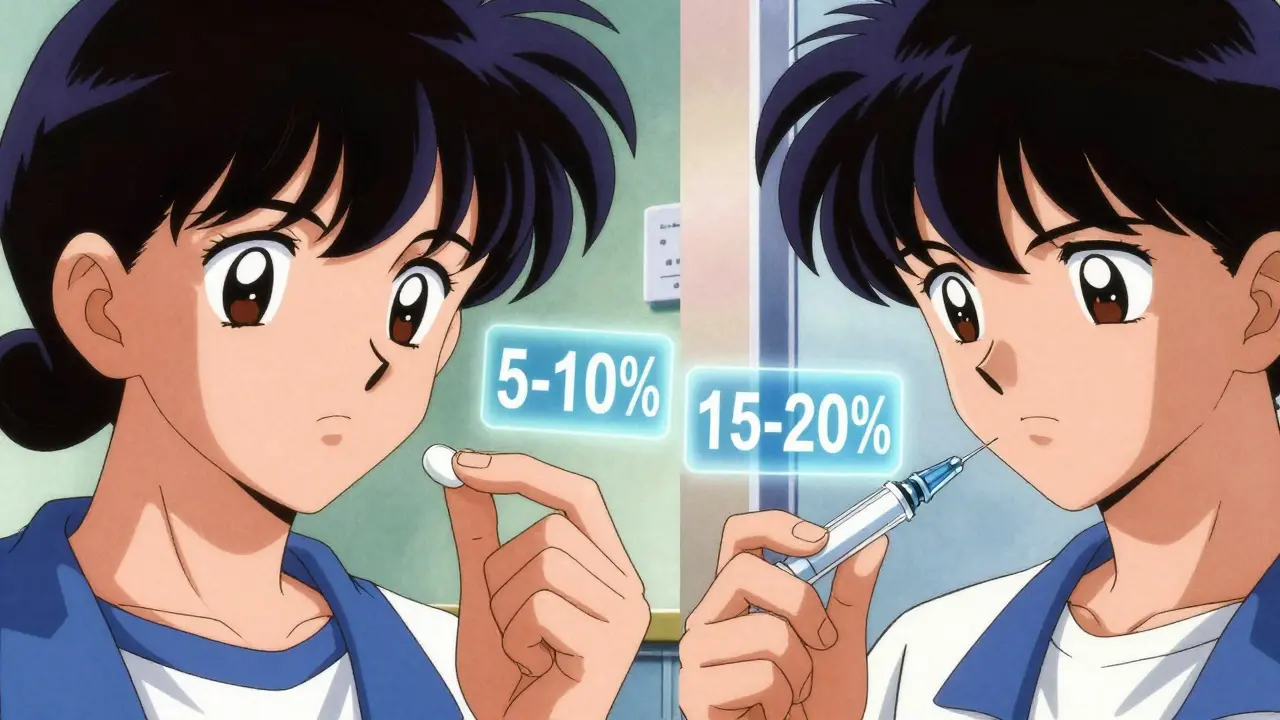
Unlike older treatments that primarily targeted fat absorption or central nervous system stimulation, GLP-1s address the hormonal drivers of hunger directly. Clinical trials demonstrate their superior efficacy, with patients achieving 15-20% body weight reduction over 68 weeks. The FDA approved semaglutide specifically for chronic weight management in June 2021, marking a turning point in how healthcare providers approach obesity as a medical condition rather than solely a lifestyle issue.
How Older Weight Loss Medications Work
Before the GLP-1 boom, several medications dominated the market for decades. Orlistat (Xenical, Alli) works by blocking enzymes in the digestive tract that break down fat, preventing about 30% of dietary fat from being absorbed. It’s available in both prescription (120 mg) and over-the-counter (60 mg) forms, taken three times daily with meals containing fat.
Phentermine-topiramate (Qsymia) combines two active ingredients: phentermine, a stimulant that suppresses appetite, and topiramate, an anticonvulsant that enhances satiety. Doses range from 3.75/23 mg to 15/92 mg daily. Another option, naltrexone-bupropion (Contrave), targets brain reward pathways by combining an opioid antagonist (naltrexone) with an antidepressant (bupropion). These older drugs typically achieve 5-10% weight loss, significantly less than their newer counterparts.
Efficacy Comparison: What Do the Numbers Show?
When comparing weight loss outcomes, the difference is stark. In head-to-head studies, Wegovy demonstrated approximately 16% weight loss at 36 weeks compared to Saxenda’s (liraglutide) 6%. Zepbound showed even more impressive results, with up to 20.9% weight loss over 72 weeks in clinical trials. In contrast, older medications like Qsymia achieve around 10%, while orlistat yields only 5-10% according to Westlake Dermatology data from 2024.
| Medication | Type | Average Weight Loss | Administration |
|---|---|---|---|
| Wegovy (semaglutide) | GLP-1 Agonist | 14.7-16% | Weekly Injection |
| Zepbound (tirzepatide) | Dual GIP/GLP-1 | Up to 20.9% | Weekly Injection |
| Saxenda (liraglutide) | GLP-1 Agonist | 6-8% | Daily Injection |
| Qsymia | Older Drug | ~10% | Daily Pill |
| Orlistat | Older Drug | 5-10% | Daily Pills (3x/day) |
However, real-world effectiveness often falls short of clinical trial results. A study published by NYU Langone Health in May 2024 revealed that GLP-1 users lost only 4.7% after six months and 7% after one year, compared to 24% weight loss with bariatric surgery over two years. This gap highlights the importance of managing expectations and understanding individual variability in response to treatment.
Cost and Insurance Coverage Challenges
Cost represents the most significant barrier to accessing GLP-1 agonists. According to the KFF Health Tracking Poll from May 2024, these medications cost approximately $1,300 monthly without insurance coverage. In contrast, older medications like phentermine cost roughly $10-$50 monthly, with broader insurance acceptance. Even Qsymia and Contrave typically fall within the $50-$150 monthly range.
Insurance coverage limitations further disadvantage GLP-1s. Many plans restrict coverage to patients with diagnosed diabetes or severe obesity (BMI ≥40 or ≥35 with comorbidities). Only 28% of commercial insurance plans cover GLP-1 agonists for weight loss without restrictive criteria, according to KFF data. Patients frequently encounter prior authorization denials, with 45% reporting such issues in surveys cited by GoodRx. Manufacturer assistance programs exist but often require income verification and cap annual savings at $500-$1,000, leaving many patients struggling to afford continuous treatment.
Side Effects and Tolerability
Both GLP-1 agonists and older medications come with distinct side effect profiles. Gastrointestinal issues dominate complaints for GLP-1 users, with nausea affecting 20-50% of patients during dose escalation periods. Other common effects include vomiting, diarrhea, and constipation. Some users report severe gastroparesis-like symptoms requiring medical intervention. The gradual dose escalation process-typically starting at 0.25 mg weekly for semaglutide and increasing over 16-20 weeks-aims to minimize these reactions but doesn’t eliminate them entirely.
Older medications present different challenges. Orlistat causes oily stools, gas, and fecal urgency due to unabsorbed fat passing through the digestive system. Phentermine-topiramate carries risks of increased heart rate, dizziness, and potential birth defects if used during pregnancy. Naltrexone-bupropion may cause insomnia, headache, and elevated blood pressure. While generally less severe than GLP-1 gastrointestinal distress, these side effects still contribute to discontinuation rates across all medication classes.

Long-Term Sustainability and Discontinuation Rates
One critical consideration involves long-term sustainability. Obesity is a chronic condition requiring ongoing management, yet many patients discontinue treatment prematurely. Studies indicate up to 70% of patients stop GLP-1 therapy within one year due to cost, side effects, or inadequate weight loss. When treatment stops, weight regain becomes common, with research showing 50-100% of lost weight returning according to JAMA Surgery publications from 2024.
Bariatric surgery offers more durable results, maintaining weight loss over extended periods at lower ongoing costs compared to lifelong GLP-1 use. However, surgery carries its own risks and isn’t suitable for everyone. The American Society for Metabolic and Bariatric Surgery recommends considering surgical options for patients who experience insufficient weight loss with GLP-1s or face compliance challenges due to side effects or costs. Emerging strategies even explore combining surgery with GLP-1 therapy for enhanced outcomes.
Making the Right Choice for Your Situation
Selecting between GLP-1 agonists and older weight loss medications depends on multiple factors including health status, budget constraints, tolerance for injections, and desired outcomes. GLP-1s excel for patients seeking substantial weight loss without surgery who can manage injection administration and navigate insurance hurdles. They’re particularly beneficial for those with type 2 diabetes, offering dual benefits for glycemic control and weight management.
Older medications may suit needle-averse individuals, those with tighter budgets, or patients preferring oral pills. While they offer modest weight loss, they remain viable options when combined with comprehensive lifestyle changes. Consultation with healthcare providers is essential to evaluate personal risk factors, review insurance coverage details, and develop realistic treatment plans aligned with individual goals.
Future Developments in Weight Loss Pharmacotherapy
Innovation continues advancing beyond current GLP-1 options. Retatrutide, a triple agonist targeting GLP-1, GIP, and glucagon receptors, demonstrated up to 24.2% body weight loss at 48 weeks in Phase 2 trials. MariTide, a monoclonal antibody developed by Amgen, entered Phase 3 clinical trials in March 2025 after showing up to 20% average weight loss at 52 weeks in earlier stages. These developments suggest even greater efficacy improvements ahead, though cost and accessibility concerns will likely persist.
Market projections indicate explosive growth, with the global obesity drug market expected to reach $100 billion by 2030, driven primarily by GLP-1 agonists. Analysts predict these medications will capture 85% of the prescription weight loss market by 2027. However, patent expirations after 2030 could introduce generic competition, potentially lowering costs and expanding access. Until then, navigating the current landscape requires careful consideration of efficacy, affordability, and long-term commitment.
Are GLP-1 agonists safe for long-term use?
Current evidence supports safety for extended use, though long-term data beyond 2-3 years remains limited. Cardiovascular outcome trials like SELECT have demonstrated benefits, but ongoing monitoring is essential. Discuss potential risks with your healthcare provider based on individual health history.
Can I switch from older weight loss drugs to GLP-1 agonists?
Yes, switching is possible under medical supervision. Your provider will assess suitability, adjust dosages appropriately, and monitor for interactions or adverse effects. Transition timing depends on current medication type and individual health factors.
What happens if I stop taking GLP-1 medications?
Stopping GLP-1 therapy often leads to weight regain, with studies showing 50-100% of lost weight returning. Maintaining weight loss typically requires continued medication alongside sustained lifestyle modifications. Abrupt cessation should be discussed with your doctor to manage expectations and plan alternative strategies.
Do insurance plans ever cover GLP-1 medications for weight loss?
Coverage varies widely. Some plans cover GLP-1s for weight loss if BMI thresholds are met or comorbidities exist. Others restrict coverage to diabetes management only. Prior authorization processes are common, and manufacturer assistance programs may help offset costs for eligible patients.
How do I manage nausea when starting GLP-1 agonists?
Gradual dose escalation minimizes gastrointestinal side effects. Eating smaller meals, avoiding fatty foods, staying hydrated, and taking anti-nausea medications as prescribed can help. If symptoms persist or worsen, consult your healthcare provider for dosage adjustments or alternative treatments.