
The Reality of Cancer Pain
It's a staggering thought, but roughly 70-90% of people with advanced cancer experience significant pain. Even worse, a huge portion of that pain goes undertreated. Why? Often, it's because of a fear of addiction or a belief that pain is just an inevitable part of the disease. But here is the good news: evidence shows that 80-90% of cancer pain can be effectively managed if the right tools are used. You don't have to live in agony to be fighting the disease.
How Pain is Measured and Tracked
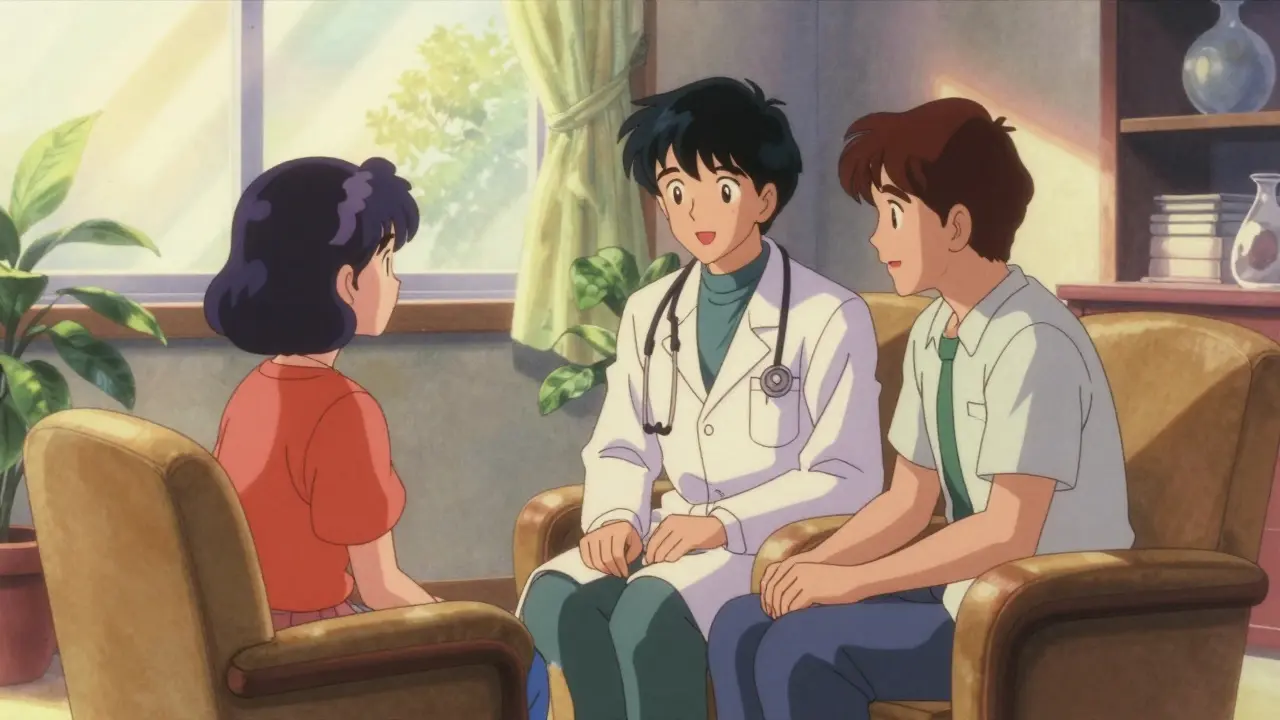
To fix a problem, doctors first need to measure it. You'll likely encounter the 0-10 numerical rating scale. In this system, 0 means no pain, and 10 is the worst pain you can imagine. It sounds simple, but being specific helps your team adjust your meds. They'll look at the location, how it feels (stabbing, burning, aching), and what makes it better or worse. For those who need more detail, tools like the Brief Pain Inventory help track how pain actually affects your daily activities, like sleeping or walking.
The WHO Analgesic Ladder: A Step-by-Step Approach
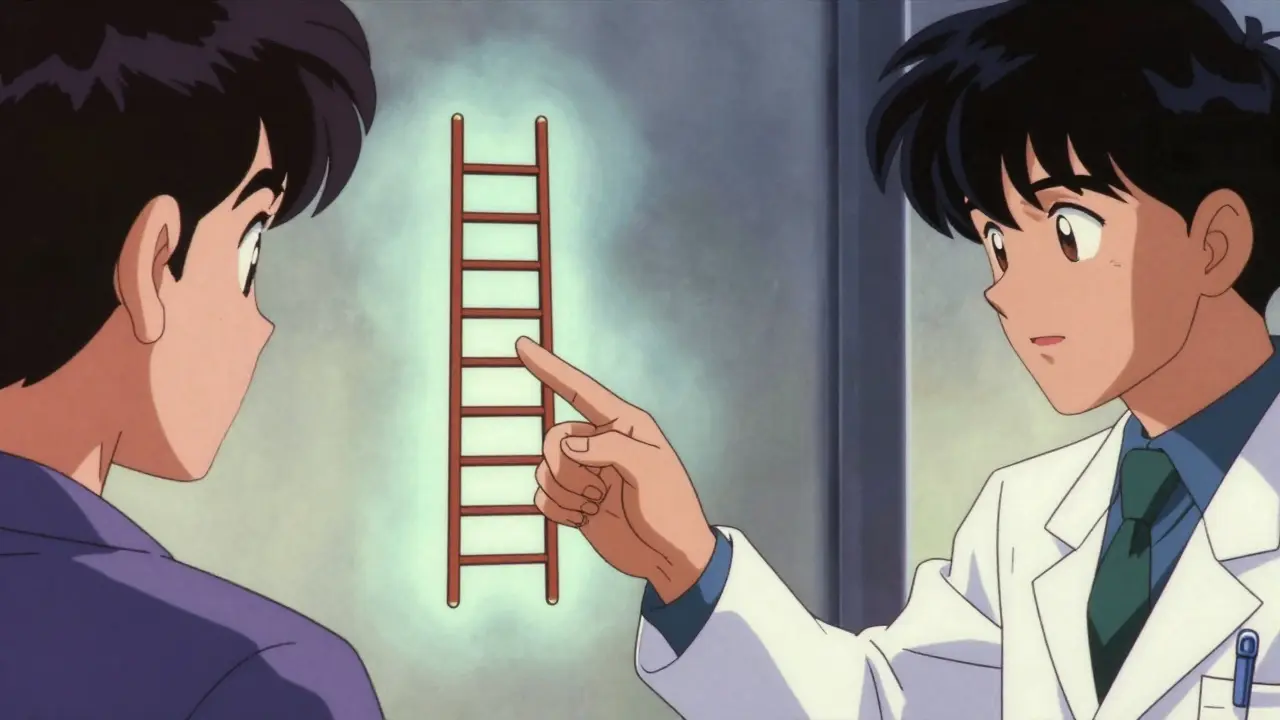
The World Health Organization (WHO) established a famous "analgesic ladder" to make sure patients get the right amount of medication without overdoing it. It's a three-step process designed to match the strength of the medicine to the intensity of the pain.
| Pain Level | Medication Type | Common Examples |
|---|---|---|
| Mild | Non-opioids | Acetaminophen (max 4,000mg/day) or NSAIDs like Ibuprofen |
| Moderate | Weak Opioids | Codeine (usually 30-60mg every 4 hours) |
| Severe | Strong Opioids | Morphine (starting at 5-15mg orally) |
When pain is severe, doctors use strong opioids. They don't just give a flat dose; they use "titration," which means increasing the dose by 25-50% every day or two until the pain is controlled. They also provide "breakthrough doses"-small, extra doses for those sudden spikes of pain that happen between regular scheduled medications.
Dealing with Specific Types of Pain
Not all cancer pain is the same. If the cancer has spread to the bones, it can cause a deep, aching pain that standard pills might not touch. In these cases, Radiotherapy is often used. A single high-dose fraction of radiation can shrink the tumor pressing on the bone and provide massive relief. Additionally, medications called bisphosphonates, such as zoledronic acid, are often given via IV every few weeks to strengthen the bone and prevent fractures.
Then there is neuropathic pain-that burning or tingling sensation caused by nerves being compressed. Opioids aren't great for this. Instead, doctors use adjuvant medications. Gabapentin is a common choice for nerve pain, while antidepressants like duloxetine can actually help dampen pain signals in the brain. Corticosteroids like dexamethasone are also used to reduce swelling around a tumor, which takes the pressure off the nerves.
The Fear of Opioids vs. The Need for Comfort
Let's address the elephant in the room: addiction. About 65% of patients report fearing opioid addiction. It's a valid concern, but in the context of cancer pain, the risk is much lower than in chronic non-cancer pain. The focus here is on comfort. If a patient experiences side effects that are too harsh, doctors perform an "opioid rotation." This means switching from one opioid (like morphine) to another (like fentanyl or methadone). They don't just swap them one-for-one; they use equianalgesic tables to calculate the equivalent dose and then lower it slightly to account for the body's existing tolerance.
Improving Quality of Life Beyond Medication
Pain isn't just physical; it's emotional and social. This is where the National Comprehensive Cancer Network (NCCN) guidelines really shine. They push for a holistic approach. This means checking for psychological distress, evaluating family support, and respecting cultural beliefs. For example, some patients from certain cultures may underreport pain due to stoicism, which can lead to undertreatment if the medical team isn't proactive.
Research shows that integrating palliative care teams early-within 8 weeks of diagnosis-can improve quality of life by 20-30%. In some metastatic cases, this early support has even been linked to a survival benefit of about 2.5 months. Why? Because when pain and anxiety are managed, patients can better tolerate their primary cancer treatments and maintain a better mood, which helps the body fight.
The Future of Pain Control
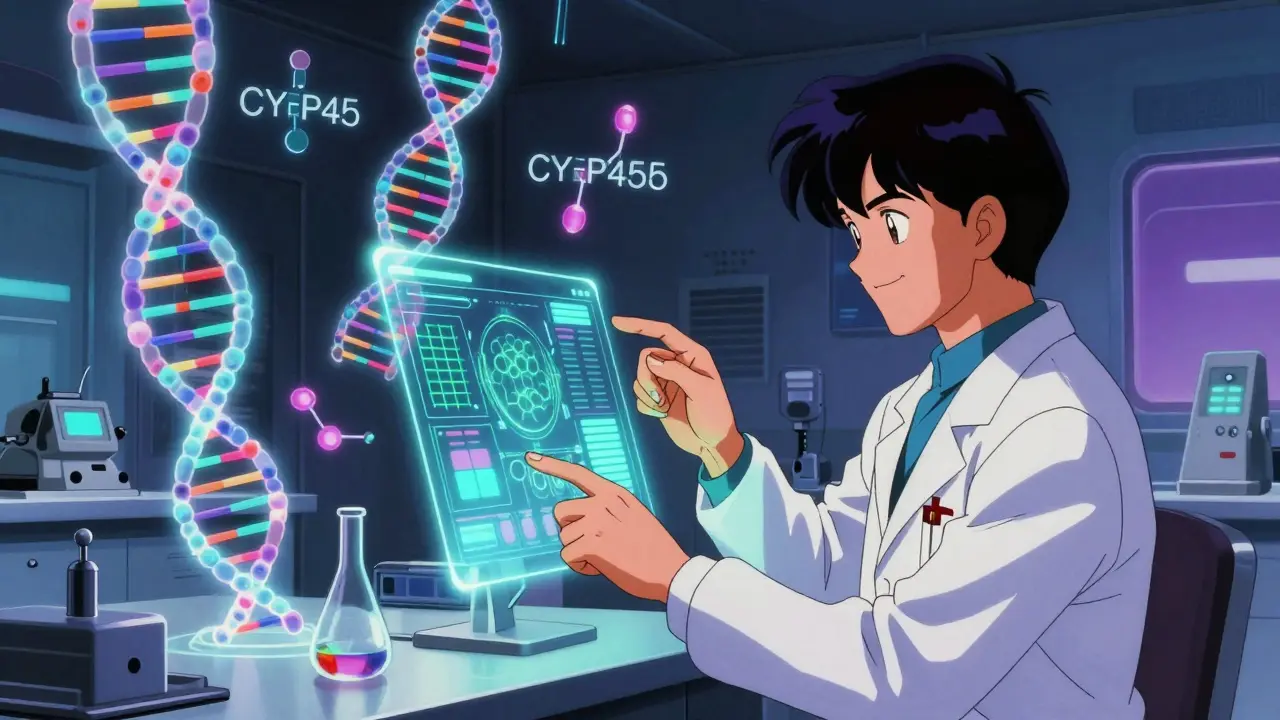
We are moving toward a world of personalized pain management. Instead of the "trial and error" method, doctors are starting to use genetic testing for CYP450 enzyme variants. These enzymes determine how your liver metabolizes opioids. If you have a specific variant, a standard dose of morphine might be useless for you, or it might be too strong. Knowing this beforehand allows for precision dosing.
Technology is also stepping in. Real-time pain tracking apps are replacing the old "pain diary," improving the accuracy of records by 22%. Looking further ahead, AI is being developed to predict pain trajectories, helping doctors intervene before the pain becomes severe, rather than reacting to it after the fact.
Is palliative care the same as hospice care?
No. Hospice care is a specific type of palliative care for patients who are nearing the end of life (usually with a prognosis of 6 months or less). Palliative care, however, can begin at the moment of diagnosis and continue throughout the entire course of the illness, regardless of the stage or the curative intent of the treatment.
Will taking strong opioids make me addicted?
While opioids have a potential for dependence, the risk of addiction in cancer patients receiving palliative care is significantly lower than in other populations. When used under strict medical supervision for severe pain, the goal is functional improvement. Doctors monitor the dose closely and use titration and rotation to minimize risks.
What should I do if my current pain medication isn't working?
You should contact your oncology team immediately. Do not increase your dose on your own. Tell them exactly where the pain is and what time of day it's worst. They may need to adjust your dose by 25-50%, add an adjuvant medication like Gabapentin for nerve pain, or suggest a different therapy like localized radiotherapy.
How do I talk to my doctor about my pain if I'm afraid to complain?
Be honest and specific. Instead of saying "I'm okay," try saying "I can't sleep because of the ache in my hip," or "I can't walk to the kitchen without sharp pain." Using the 0-10 scale provides a concrete number that doctors can track over time, making it easier for them to justify a medication change to insurance or regulatory boards.
What are non-drug options for managing cancer pain?
Non-pharmacological options include physical therapy, acupuncture, massage, and psychological counseling (CBT). These don't replace medication for severe pain but can lower the total amount of medication needed and improve the overall emotional quality of life.
Next Steps for Patients and Caregivers
If you or a loved one are struggling with pain, the first step is to request a formal palliative care consultation. Don't wait until the pain is unbearable; early intervention is the key to better outcomes. Keep a daily log of pain levels and triggers to share with your doctor. If you are using high-dose opioids, ask your provider about a "rescue plan" for breakthrough pain and ensure you have a way to manage potential side effects, such as constipation, which is common with opioid use.


Stephen Luce - 6 April 2026
It's so heart-wrenching that so many people just suffer in silence because they're afraid of the meds. Really glad this distinguishes between palliative and hospice care because that fear keeps people from getting help way too early.
Danielle Kelley - 8 April 2026
Sure, follow the "ladder" right into a pharmaceutical trap. They tell you the risk of addiction is low just so they can keep the opioid pipelines flowing and the profits skyrocketing while you're too drugged up to realize you're being played by Big Pharma.
Christopher Cooper - 8 April 2026
The mention of CYP450 enzyme testing is genuinely fascinating. It makes perfect sense that genetic variability would dictate how someone responds to morphine. I wonder if this type of pharmacogenomics will eventually become the standard of care for all chronic pain management, not just oncology, to reduce that dangerous trial-and-error phase.
Srikanth Makineni - 9 April 2026
precision dosing is the only way to go
Daniel Trezub - 10 April 2026
Actually, the WHO ladder is a bit outdated if you really look at the literature. Most modern pain specialists prefer a more fluid approach because sticking to a rigid step-by-step process can lead to under-treating patients who have complex pain profiles right from the start. Just saying!
Toby Sirois - 10 April 2026
You people are all missing the point. The real problem is that you rely on these chemicals instead of fixing the root cause. If you don't align your mind and body, no amount of Gabapentin is going to save you. It's basic stuff that most of you just ignore because you want a quick fix from a pill.
Rupert McKelvie - 12 April 2026
It's wonderful to see the focus on quality of life. Even in the toughest battles, finding a way to stay comfortable and present for your family is a huge win. Keep pushing for that early intervention!
Alexander Idle - 13 April 2026
Honestly, this whole guide is just a glorified brochure for the medical industry. It's absolutely tragic that we have to use a 0-10 scale to communicate basic human suffering. What a complete joke of a system! I can't believe we're still using these primitive methods in this day and age. It's just so utterly dismal and frankly a bit insulting to the patients involved who deserve way more than a number on a chart.
charles mcbride - 15 April 2026
I am truly optimistic that these AI tools for predicting pain will change everything. It is a noble pursuit to remove the unpredictability of suffering. We should all remain hopeful that technology will soon eliminate the gap between pain and relief for every single patient.
Sarabjeet Singh - 17 April 2026
Just stay strong and keep talking to your team. You've got this.