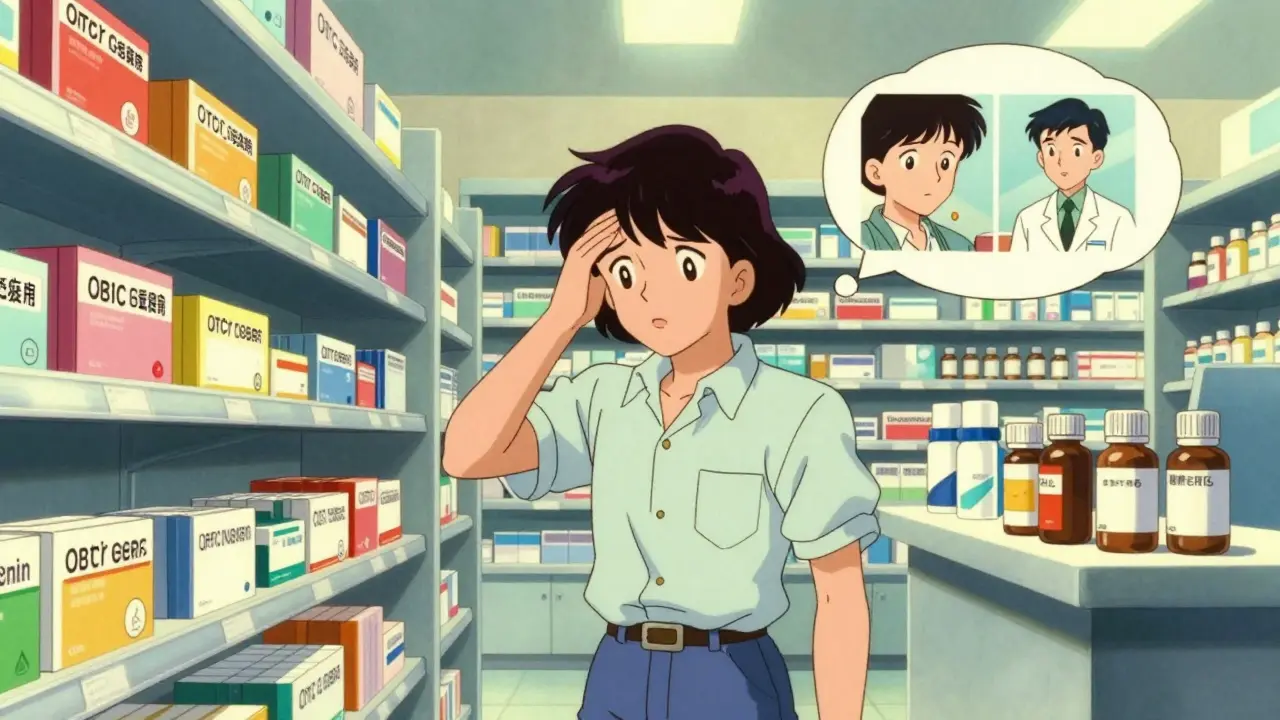
You’ve got a headache that won’t quit, your allergies are acting up, or you’re dealing with heartburn after dinner. Your first instinct is often to head to the pharmacy shelf. But which pill should you grab? The one sitting openly on the rack, or do you need to see a doctor for a script? This isn't just about convenience; it’s about getting the right strength of medicine for the specific problem you’re facing.
Understanding the difference between over-the-counter (OTC) medications and prescription drugs can save you time, money, and unnecessary trips to the clinic. OTC meds are designed for self-diagnosable, minor conditions. Prescription drugs tackle more complex issues requiring professional oversight. Knowing where to draw the line ensures you treat symptoms effectively without risking side effects or treatment failure.
The Core Difference: Accessibility vs. Potency
The biggest distinction isn't just who sells them-it's how strong they are. The U.S. Food and Drug Administration (FDA) regulates both categories, but through different systems. Prescription drugs go through a rigorous New Drug Application process. OTC medications follow the OTC Drug Monograph system, which acts like an approved recipe book for safe, standard formulations.
This regulatory split means prescription medications often contain higher concentrations of active ingredients. Take hydrocortisone cream, for example. You can buy 1% hydrocortisone at any supermarket for mild itching. If you have severe eczema or a bad allergic reaction, a doctor might prescribe 2.5% hydrocortisone. That extra percentage makes a huge difference in potency and effectiveness for serious skin issues.
Similarly, look at heartburn relief. Over-the-counter ranitidine comes in 75 mg tablets. Prescription versions hit 150 mg or even 300 mg. If your heartburn is frequent or severe, the OTC version might not touch it because the dose is simply too low to neutralize the acid production.
| Feature | OTC Medications | Prescription Drugs |
|---|---|---|
| Availability | Pharmacies, supermarkets, gas stations | Licensed pharmacies only (with script) |
| Potency | Lower doses, safer for general use | Higher doses, targeted for severity |
| Diagnosis | Self-diagnosed (mild symptoms) | Doctor-diagnosed (complex/severe) |
| Cost | Out-of-pocket (generics are cheap) | Often covered by insurance/copays |
| Examples | Ibuprofen, Cetirizine, Loratadine | Triptans, Montelukast, Stronger Steroids |
When OTC Is the Right Choice
Over-the-counter meds are your best friend when symptoms are mild, occasional, and easy to identify. If you know exactly what’s wrong-a runny nose from pollen, a headache from dehydration, or minor pain from lifting groceries-OTC is usually sufficient.
Dr. Jessica Ailani, director of the MedStar Georgetown Headache Center, notes that OTC medications work well for symptoms with a gradual onset over hours. For headaches occurring less than 10 days a month, simple analgesics like acetaminophen (Tylenol), ibuprofen (Advil), or naproxen (Aleve) are effective. They are accessible immediately, no appointment needed.
Allergies are another prime candidate for self-care. Antihistamines like cetirizine (Zyrtec), fexofenadine (Allegra), or loratadine (Claritin) start working within an hour. These are perfect for seasonal sniffles or pet dander reactions. You don’t need a blood test to know you’re sneezing.
Key indicators that OTC is appropriate:
- Symptoms are mild to moderate.
- You have had this condition before and know the cause.
- Symptoms started recently (within the last few days).
- You can manage daily activities despite the discomfort.
When You Need a Prescription
There comes a point where "waiting it out" or popping generic pills stops making sense. Prescription medications are necessary when the body’s natural defenses and mild interventions fail. This happens when symptoms are severe, persistent, or disruptive to your life.
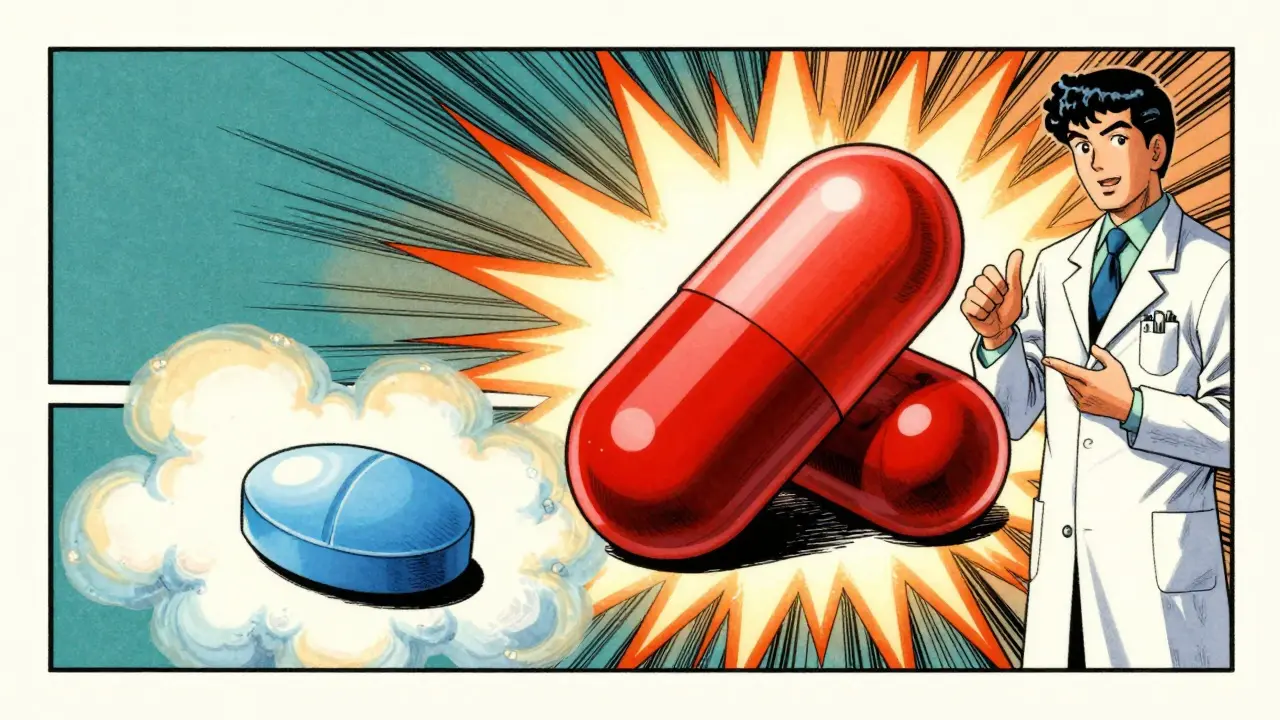
Consider migraines. While OTC ibuprofen helps a tension headache, it often fails against a full-blown migraine attack. Prescription triptans are designed to stop the neurological cascade of a migraine. Dr. Ailani points out that most OTC migraine meds are oral and take too long to absorb during a sudden, severe attack. Triptans, available in nasal sprays or injections, act faster and stronger.
Chronic conditions like hypertension, diabetes, or severe asthma always require prescriptions. These aren't "occasional" issues; they need precise dosing and monitoring. Even for something like allergies, if OTC antihistamines don’t clear your sinuses after two weeks, a doctor might prescribe montelukast (Singulair). Note that montelukast can take up to two days to become fully effective, unlike the instant relief of OTC options. It works differently, targeting inflammation rather than just blocking histamine.
Red flags that signal a need for a prescription:
- Symptoms persist beyond 7-10 days despite OTC treatment.
- Pain is severe enough to prevent sleep or work.
- You experience new, unexplained symptoms alongside the known issue.
- OTC meds cause unpleasant side effects or stop working.
The Cost Myth: Is Prescription Always More Expensive?
A common misconception is that OTC is always cheaper. In reality, it depends heavily on your insurance coverage. OTC medications are rarely covered by health insurance plans. You pay the full retail price out of pocket. However, store-brand generics are incredibly affordable. A bottle of 100 generic ibuprofen tablets might cost $4, compared to $15 for brand-name Advil.
On the flip side, many prescription drugs have low copays thanks to Medicare Part D or private insurance. For some patients, a prescription version of a drug is actually cheaper than buying the OTC equivalent every month. Always check with your pharmacist. They can tell you if your insurance covers a similar prescription drug that would save you money in the long run.
The Rx-to-OTC Switch: What’s Changing?
The line between these two categories is blurring. The FDA has been approving more "Rx-to-OTC switches," allowing previously prescription-only drugs to be sold freely. This happens after extensive safety monitoring proves the drug is safe for self-use.
Fexofenadine (Allegra) for allergies, esomeprazole (Nexium) for heartburn, and adapalene (Differin) for acne are all examples of drugs that made this switch. In April 2023, the FDA approved the first OTC version of epinephrine (EpiPen), a major shift for emergency allergy care. By 2030, experts predict 20-25 more prescription medications will move to the OTC shelf, particularly in allergy and topical treatments.
This trend gives consumers more power but requires more responsibility. Just because a drug was once prescription-only doesn't mean you should use it casually. Read the labels carefully. Understand that even switched drugs may have lower doses in their OTC forms compared to what a doctor used to prescribe.
Safety First: Avoiding Misuse and Interactions
The freedom of OTC meds comes with risks. The biggest danger is self-misdiagnosis. Treating a sinus infection with decongestants won’t cure the bacteria causing it. Delaying proper treatment can lead to complications. Also, exceeding recommended dosages of OTC painkillers like acetaminophen can cause severe liver damage. People often forget that many multi-symptom cold medicines contain acetaminophen, leading to accidental overdoses.
Interactions are another concern. Prescription drugs generally carry stricter warnings about food and other medication interactions. However, OTC drugs aren't harmless. Combining certain antihistamines with alcohol or sedatives can be dangerous. Always disclose all medications you take-including OTC ones-to your doctor and pharmacist.
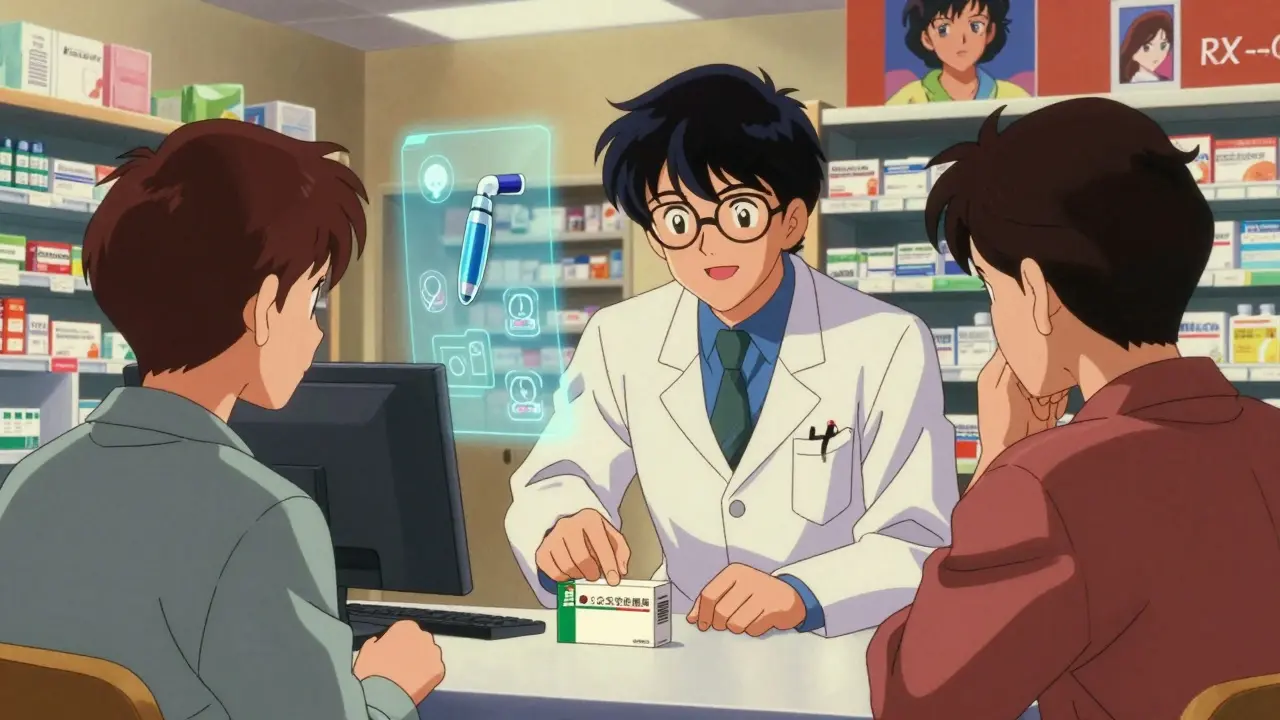
Pharmacists are underutilized resources. Studies show that 89% of community pharmacists counsel patients on OTC versus prescription choices. Don’t just grab a box off the shelf. Ask the pharmacist: "I have [symptom]. Have I tried this before? Is there a stronger option I need a script for?" Their expertise bridges the gap between self-care and medical necessity.
Practical Decision Checklist
Next time you feel under the weather, run through this quick mental checklist before heading to the checkout counter:
- Identify the symptom: Is it clearly a cold, allergy, or minor pain?
- Assess severity: Can you function normally, or is it debilitating?
- Check duration: Has this lasted more than a week?
- Review history: Do you have chronic conditions or take other meds?
- Consult a pro: Talk to a pharmacist if unsure, or a doctor if symptoms are severe/persistent.
If the answer to severity or duration raises red flags, skip the aisle and call your doctor. Otherwise, stick to the lowest effective dose of a trusted OTC generic. Your health-and your wallet-will thank you.
Are OTC medications as safe as prescription drugs?
Yes, both are regulated by the FDA for safety and efficacy when used as directed. However, OTC drugs are formulated to be safer for general public use without medical supervision. They typically have lower doses and fewer potential interactions. Prescription drugs are more potent and carry higher risks, which is why they require professional oversight.
Can I switch from a prescription to an OTC version of the same drug?
You can, but you should consult your doctor or pharmacist first. The OTC version often has a lower dosage than the prescription strength. For example, OTC esomeprazole may take longer to provide full relief for severe heartburn compared to the higher-dose prescription version. Switching without advice might lead to inadequate treatment.
Why are some medications moving from prescription to OTC?
This is called an "Rx-to-OTC switch." It happens when long-term data shows a drug is safe for self-treatment. This increases accessibility for patients with common conditions like allergies or mild acne. It also reduces healthcare costs by eliminating unnecessary doctor visits for simple diagnoses.
Is it cheaper to buy OTC or get a prescription?
It depends. OTC generics are very cheap (e.g., $4 for 100 ibuprofen tablets), but insurance rarely covers them. Prescriptions often have low copays ($5-$10) due to insurance coverage. For chronic conditions requiring daily medication, a prescribed generic is often more cost-effective than paying full price for OTC brands monthly.
What should I do if OTC meds aren't working?
If symptoms persist beyond 7-10 days, worsen, or significantly impact your daily life, stop self-treating and see a doctor. Continuing to take ineffective OTC meds can mask underlying issues or cause side effects. A physician can diagnose the root cause and prescribe a more targeted, potent treatment.