

Most of us look at an expiration date as a "best before" suggestion. However, when it comes to NTI drugs, that date is a hard safety limit. These medications require a precision level that standard drugs don't. If the concentration in your blood drops even slightly below the effective level, the drug stops working. If it climbs just a bit too high, it becomes toxic. There is very little room for error, and expiration is the fastest way to introduce that error into your treatment.
What Exactly is a Narrow Therapeutic Index?
In simple terms, the therapeutic index is the gap between the dose that works (the minimum effective concentration) and the dose that harms (the minimum toxic concentration). For a standard drug, this gap is wide-like a broad highway where you can drift a bit without hitting the guardrail. For an NTI drug, that highway is a narrow tightrope.
Narrow Therapeutic Index (NTI) is a classification of drugs where small differences in dose or blood concentration can lead to serious therapeutic failures or life-threatening adverse reactions. According to guidelines from the FDA and Health Canada, a drug is usually labeled NTI if there is less than a twofold difference between the effective dose and the toxic dose. This means if you accidentally double the dose, you've likely hit the toxicity threshold.
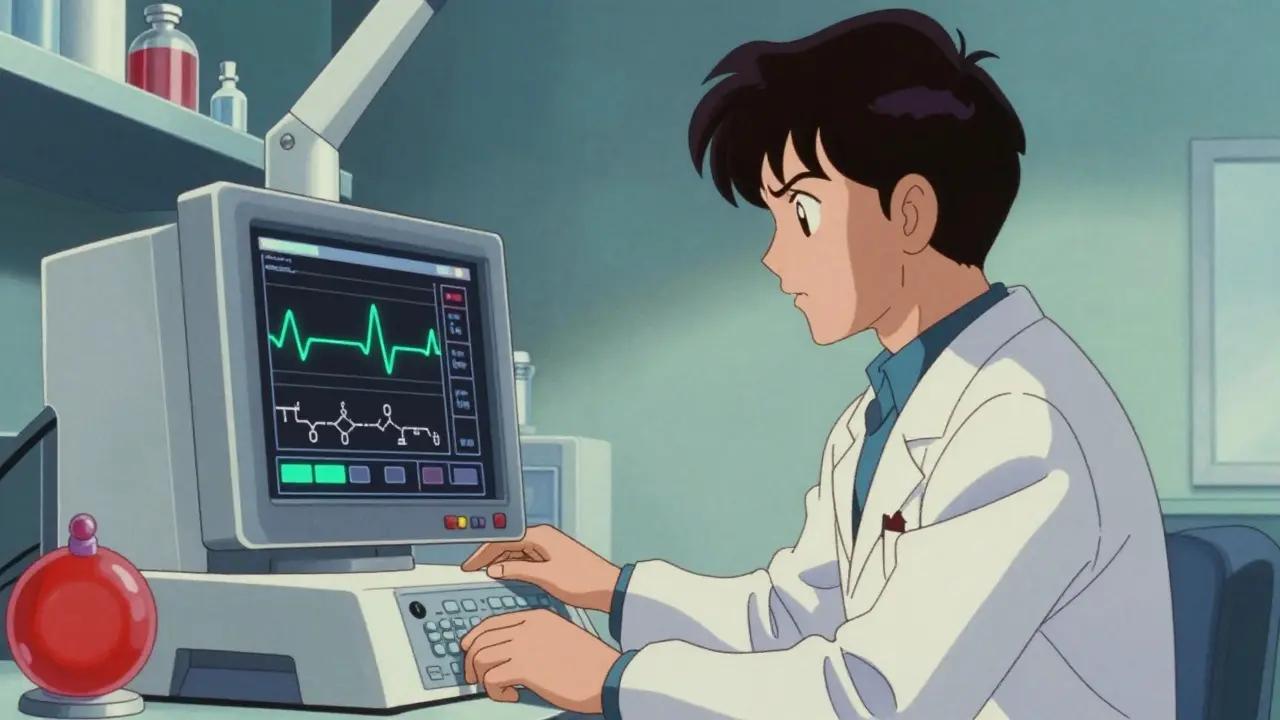
Because these drugs are so sensitive, doctors use a process called Therapeutic Drug Monitoring (TDM). This involves regular blood tests to make sure the drug levels stay within a very specific window. If you're taking an NTI medication, you're likely familiar with these frequent check-ups because your safety depends on a precise chemical balance in your bloodstream.
Common NTI Medications and Their Uses
You might be taking an NTI drug without even realizing it falls into this high-risk category. These medications are used for some of the most critical conditions, from heart failure to epilepsy and organ transplant rejection.
- Warfarin: An anticoagulant used to prevent blood clots. It's famously tricky; a tiny change in dose can either lead to a dangerous clot or cause internal bleeding.
- Digoxin: Used for heart failure and certain heart rhythm problems. Its toxic threshold is incredibly close to its effective range.
- Lithium: A mood stabilizer for bipolar disorder. Maintaining a steady blood level is the only way to keep the condition stable without damaging the kidneys.
- Phenytoin and Carbamazepine: Anticonvulsants used to prevent seizures. Even a small drop in potency can trigger a breakthrough seizure.
- Tacrolimus and Ciclosporin: Immunosuppressants that prevent the body from rejecting a transplanted organ.
| Medication | Primary Use | Risk of Potency Loss (Expired) | Risk of Excess Toxicity |
|---|---|---|---|
| Warfarin | Blood Thinner | Life-threatening thrombosis | Uncontrolled bleeding |
| Digoxin | Heart Condition | Heart failure exacerbation | Cardiac arrhythmias |
| Lithium | Bipolar Disorder | Relapse of manic episodes | Neurological toxicity |
| Phenytoin | Seizures | Breakthrough seizures | Ataxia and confusion |
The Hidden Danger of Expiration
Why does the date on the bottle matter so much for these specific drugs? Most medications degrade slowly. A common rule of thumb is that many drugs retain about 90% of their potency for years if stored in a cool, dry place. For a generic vitamin or a mild painkiller, a 10% loss is irrelevant. But for an NTI drug, 10% is a catastrophe.
Consider the bioequivalence standards the FDA uses for generics. For most drugs, the allowable variation is between 80% and 125%. But for NTI drugs like levothyroxine or tacrolimus, the window is tightened to 90-111%. This means the medical community considers a variation of just 11% to be the limit of safety. If your expired medication has lost just 5% to 10% of its strength, you are effectively drifting outside the safe zone that pharmacists and doctors fight so hard to maintain.
If you are using Warfarin to keep a mechanical heart valve clear, a slight drop in potency could move your INR (International Normalized Ratio) from a safe 3.0 down to 2.0. That small shift might seem insignificant on paper, but in your body, it's the difference between a functioning valve and a life-threatening blood clot.
Why You Can't Just "Adjust" the Dose
Some people think they can compensate for an old drug by taking a slightly larger dose. This is incredibly dangerous with NTI medications. Because these drugs have "erratic absorption" and "formulation-dependent bioavailability," you can't predict how much of the drug is actually reaching your bloodstream.
Degradation isn't always a simple loss of strength. In some cases, the chemical breakdown of a drug creates new compounds. While not all expired drugs become toxic, some do. Even if the drug remains "safe," the instability of an expired formula means your blood levels will fluctuate wildly. One day the drug might be 90% potent, the next 85%. This "rollercoaster effect" makes it impossible for your doctor to find a stable dose through TDM, leading to a cycle of failed treatments and dangerous side effects.
Practical Steps for Managing NTI Medications
If you are prescribed any of the medications mentioned above, you should treat them as "high-alert" items in your home. Precision is the only way to ensure these drugs do their job without hurting you.
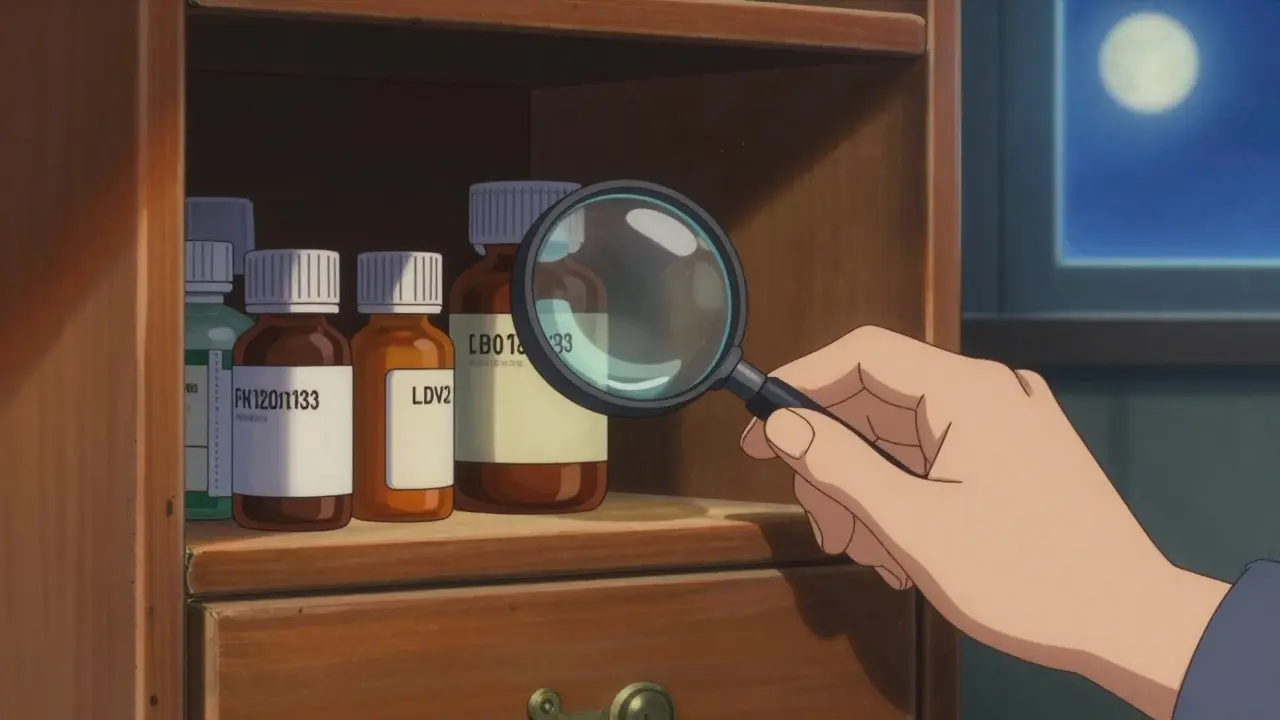
- Audit Your Medicine Cabinet: Check the dates on all your prescriptions. If an NTI drug is past its expiration date, do not take another dose. Contact your pharmacy for a replacement immediately.
- Control the Environment: Heat and humidity accelerate chemical degradation. Store your meds in a cool, dry place-never in a bathroom cabinet where steam from the shower can seep into the bottle.
- Avoid Generic Switching: Because the window is so narrow, switching between different brands of the same NTI drug can sometimes cause a shift in blood levels. Stick to one manufacturer unless your doctor advises otherwise.
- Never Skip TDM Appointments: If your doctor orders blood work to check drug levels, treat it as a priority. These tests are the only way to know if your dose is still in the "sweet spot."
Can I still take my NTI medication if it expired last month?
No. While some drugs last longer than their date, NTI medications have a very narrow safety window. Even a small loss in potency can lead to treatment failure or toxicity. The risk is too high to gamble with.
How do I know if my medication is NTI?
The best way is to ask your pharmacist. Look for drugs that require regular blood tests (Therapeutic Drug Monitoring) to adjust the dose; these are almost always NTI drugs.
What happens if an NTI drug loses potency?
It can lead to "therapeutic failure." For example, if an anti-seizure medication like phenytoin loses potency, you could have a seizure despite taking your medicine. If an anticoagulant like warfarin loses strength, you could develop a dangerous blood clot.
Are generic NTI drugs as safe as brand names?
Generally yes, but they are held to much stricter bioequivalence standards (90-111%) than other generics. However, switching between brands can sometimes cause slight fluctuations in blood levels, which is why consistency is key.
Where should I dispose of expired NTI medications?
Do not flush them or throw them in the trash. Take them to a licensed pharmacy or a designated medication take-back site to ensure they are disposed of safely and legally.
Next Steps for Patients and Caregivers
If you've discovered you've been taking an expired NTI medication, don't panic, but do act. First, stop taking the expired batch. Second, call your doctor and let them know exactly how long you've been using the expired drug. They may want to run a blood test immediately to see if your levels have dropped.
For those managing medications for elderly parents or children, a simple monthly "date check" can prevent a crisis. Use a pill organizer, but remember that moving pills from their original blister packs into a plastic box can sometimes speed up degradation by exposing them to air and light. If the medication comes in a blister pack, leave it there until the moment you need to swallow it.



Trey Kauffman - 10 April 2026
Oh, brilliant. We've finally discovered that taking old chemicals might not be a great idea. Truly a peak of human intellectual achievement right here. I'm sure the existential dread of a blood clot is just the spice of life for some people.
Ben hogan - 11 April 2026
The pedestrian nature of this explanation is almost offensive. It's basic pharmacology, yet here we are treating it like a groundbreaking revelation for the masses. Some of us actually understand the stoichiometry involved without needing a 'tightrope' analogy.
Simon Jenkins - 12 April 2026
MY GOD, the sheer TERROR of a 5% potency drop! I can practically feel the cardiac arrhythmia setting in just reading this! It is an absolute tragedy that people are walking around oblivious to the chemical precipice they inhabit! ABSOLUTELY STAGGERING!
Thabo Leshoro - 13 April 2026
This is so scary... the pharmacokinetics are just too risky!! My heart goes out to everyone dealing with TDM... it must be so stressful to be on that edge!!!!
Robin Walton - 14 April 2026
I really feel for the people who have to do those blood tests all the time. It's a lot to handle emotionally and physically, but it's so important to stay safe.
Suchita Jain - 15 April 2026
It is an absolute failure of character to be so negligent with one's own health. One must maintain a disciplined regimen of medical adherence to ensure the sanctity of the physical vessel. I find it lamentable that such basic hygiene of care must be explained.
Danny Wilks - 16 April 2026
It is quite interesting how the pharmaceutical industry standardizes these windows of bioequivalence, though I find that most people simply ignore the fine print on their inserts until something goes wrong. I've observed that in various cultures, the perception of medication expiration varies wildly, but the biological reality of a narrow therapeutic index remains a constant, uncompromising truth regardless of one's geography.
Kelly DeVries - 16 April 2026
honestly just toss the pills if they look weird lol i dont trust anything that smells like a basement anyway just be safe guys
Simon Stockdale - 18 April 2026
Why we gotta let foreign regs tell us how to take our meds anyway america makes the best drugs and we dont need some fancy international board telling us a month past the date is a disaster when we got real problems to deal with in this country
Chad Miller - 18 April 2026
ppl just dont care about safety anymore. its basic morality to follow the label. some of u guys are just too lazy to read a bottle
Will Gray - 19 April 2026
Stricter standards? Give me a break. This is just a way for the big pharma companies to force you to buy new bottles every few months. They create these 'narrow' windows to keep the profit margins high while the government looks the other way. Wake up.
Franklin Anthony - 20 April 2026
man i totally agree with the profit angle lol its all a scam to keep us paying but hey if you want to play it safe just do the blood tests i guess stay healthy friends
kalpana Nepal - 21 April 2026
This is just how it is. Life is a circle of medicine and death. My country has better ways of healing but this science is okay for those who trust it.
Lynn Bowen - 22 April 2026
Definitely a good reminder for anyone with chronic conditions to double check their cabinet.