
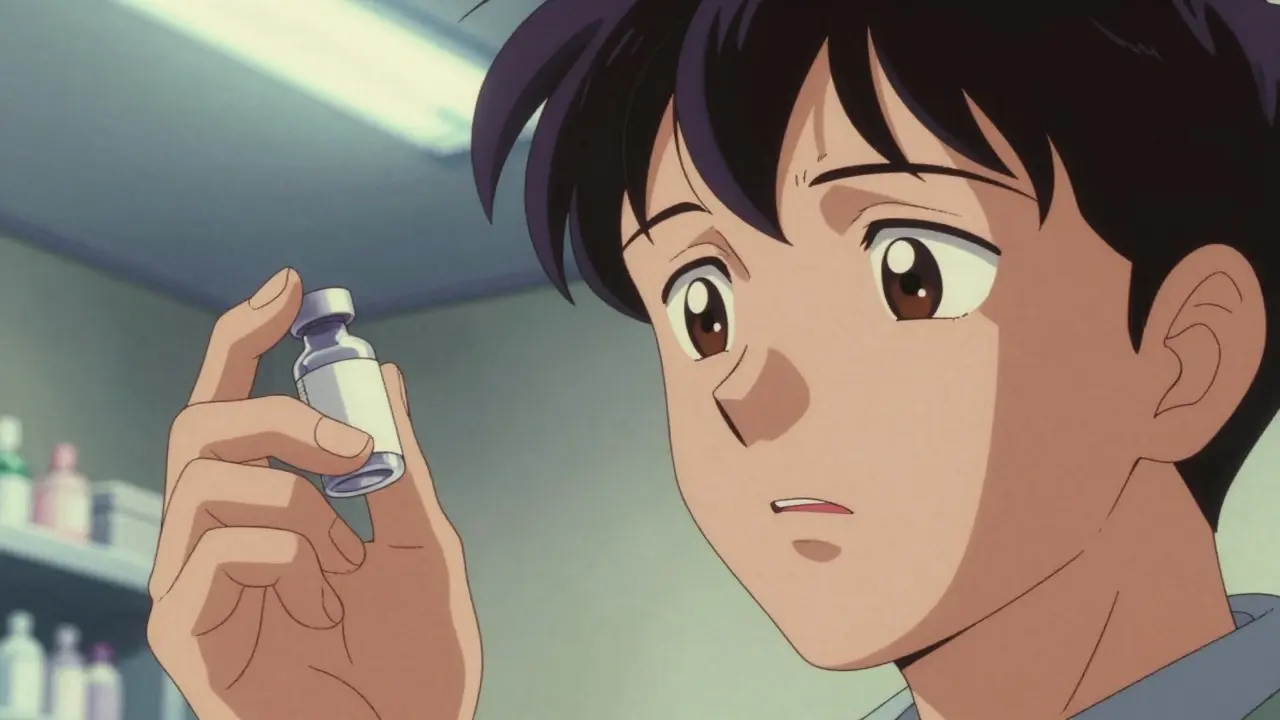
Imagine being told your life-changing medication is being swapped for a newer, cheaper version. If you've spent years stabilizing a chronic condition with a specific biologic, the word "similar" isn't exactly comforting. In fact, it's terrifying. For many, a biosimilar feels like a gamble with their health. But here is the reality: biosimilars aren't just "cheap copies"-they are highly engineered medical products designed to work exactly like the original. The gap isn't in the science; it's in the communication.
Quick Summary: Understanding Biosimilars
- What they are: Biological products highly similar to an approved reference biologic.
- The Goal: Increase patient access to critical therapies by lowering costs.
- The Safety: No clinically meaningful differences in safety, purity, or potency compared to the original.
- The Challenge: Low adoption rates (often under 10%) driven by fear and lack of information.
What Exactly is a Biosimilar?
To understand why people hesitate, we first have to clear up what we are actually talking about. Biosimilars is a type of biologic medical product that is highly similar to an already approved reference biologic product. Unlike a standard pill, these are grown from living organisms, making them incredibly complex. Because they aren't made from a simple chemical recipe, they can't be "identical" in the way a generic aspirin is. Instead, they must prove there are no clinically meaningful differences in how they work in the human body.
The regulatory process is rigorous. In the U.S., the FDA (Food and Drug Administration) governs this process. While a standard generic might take a few years and a couple of million dollars to develop, a biosimilar typically requires 8 to 10 years and upwards of $100 million to bring to market. They undergo a stepwise approach of analytical studies, animal testing, and limited clinical trials to ensure the patient gets the same outcome as they would with the brand-name version.
Biosimilars vs. Generics: Why the Confusion?
Most of us are used to "generics." When you switch from brand-name Ibuprofen to a store-brand version, you're getting the exact same molecule. Generics are chemically identical copies. Biosimilars, however, are biological. Think of it like a digital photo: a generic is a perfect photocopy, while a biosimilar is a high-resolution photograph of the same scene. It looks the same and serves the same purpose, but the way it was captured is different.
This distinction is where the patient hesitation usually starts. Because they aren't "identical," patients worry about unexpected side effects or a sudden loss of efficacy. This fear is often amplified by the "nocebo effect," where a patient experiences negative symptoms simply because they expect the new drug to be worse.
| Feature | Generic Drugs | Biosimilars |
|---|---|---|
| Composition | Simple chemical structure | Complex molecular structure |
| Source | Chemical synthesis | Living cells/organisms |
| Similarity | Chemically identical | Highly similar (no meaningful difference) |
| Dev. Cost | $2-3 Million (approx.) | $100-250 Million (approx.) |
| Dev. Time | 3-4 Years | 8-10 Years |

The Real Reasons Patients Hesitate
If the science is sound, why are people scared? It usually boils down to three things: lack of transparency, bad past experiences, and a disconnect in cost savings.
First, there is a massive knowledge gap. Surveys show that while over 60% of healthcare professionals understand biosimilars, only about 31% of patients with chronic conditions even know what they are. When a doctor says, "We're switching you to a biosimilar," without explaining the 'why' and 'how,' it feels like a cost-cutting measure rather than a clinical decision.
Second, the "switching trauma" is real. Imagine a patient on Humira (adalimumab) for years. If they are switched without proper communication and happen to have a disease flare-up at the same time, they will naturally blame the new drug. This creates a cycle of fear that makes them terrified to ever switch medications again, even if the new option is significantly cheaper.
Finally, there is the money. We are told biosimilars save the healthcare system billions-and they do. However, these savings often don't reach the patient's pocket. A study of clinician-administered biologics found that annual out-of-pocket spending didn't actually drop for many patients after biosimilar competition began. When a patient is told a drug is "cheaper" but their co-pay stays the same, they feel they are taking a risk for no personal reward.
Practical Strategies to Reduce Hesitation
Reducing fear requires more than just a brochure. It requires a shift in how providers handle the transition. Here are the most effective ways to build trust:
- Shared Decision Making: Don't just notify the patient of a change; involve them in the choice. When a patient feels they have agency in the decision, their anxiety decreases.
- Clear Definitions: Avoid using vague terms. Instead of saying it's "similar," explain that it has the same safety and efficacy profile as the original. Use analogies (like the photo example) to explain the molecular complexity.
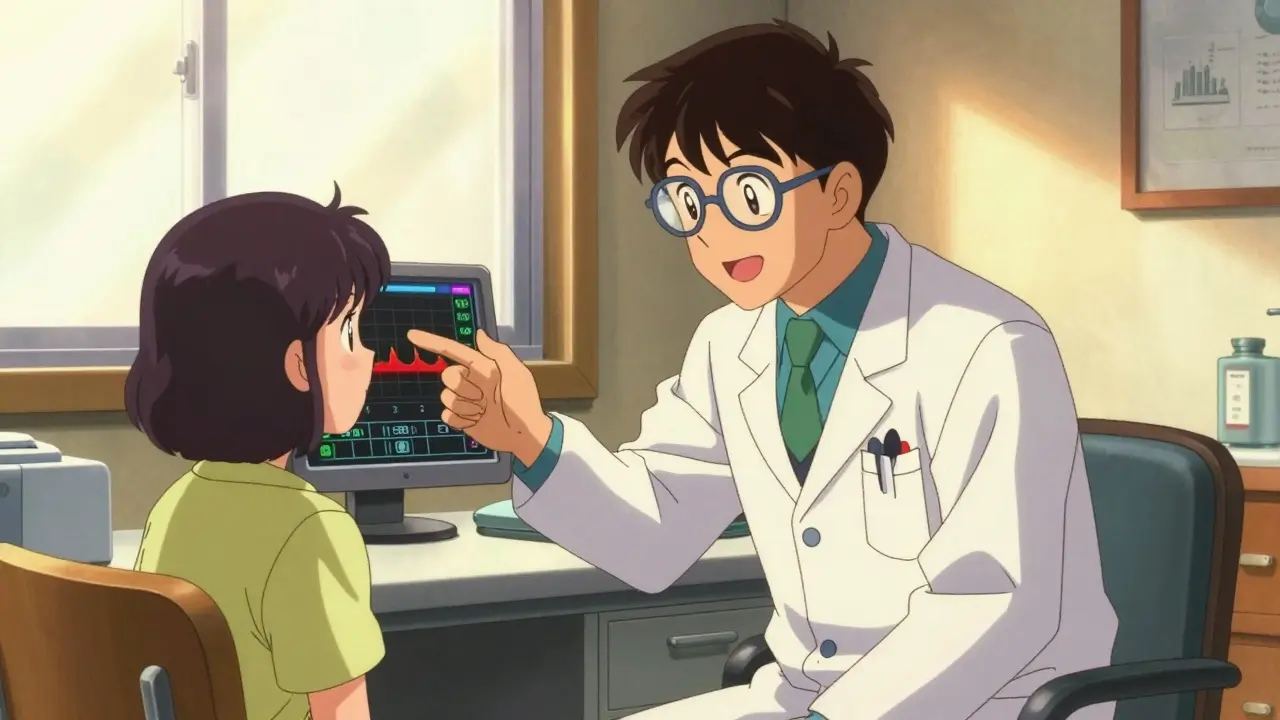
- Biomarker Tracking: For high-risk transitions, doctors can track drug and anti-drug antibody levels. Providing a patient with hard data showing the drug is working in their blood can override the psychological fear of the nocebo effect.
- Real-World Evidence: Share success stories. When patients see that thousands of others have switched without losing control of their disease, the perceived risk drops.
The Road Ahead: Will Confidence Grow?
The momentum is shifting. The FDA is working to streamline approvals, moving away from expensive comparative efficacy studies and focusing more on analytical assessments. This could lower the cost of development and bring more options to the market, filling the "biosimilar void" where many high-value biologics currently have no competitors.
We are also seeing a shift in how pharmacy benefit managers handle these drugs. Large providers are increasingly excluding expensive originators in favor of biosimilars. While this can cause short-term frustration, it forces the conversation. Experts predict that as more real-world evidence accumulates, adoption rates could exceed 50% by 2030. The key is ensuring that the transition is handled with empathy and education, not just administrative mandates.
Are biosimilars just generic versions of biologics?
Not exactly. While they serve the same purpose, generics are chemically identical copies of small-molecule drugs. Biosimilars are made from living cells and are "highly similar" but not identical. However, they must prove there are no clinically meaningful differences in safety or effectiveness compared to the original product.
Will switching to a biosimilar cause my symptoms to return?
Clinically, biosimilars are designed to provide the same outcome as the reference product. However, some patients experience a "nocebo effect," where the fear of switching causes perceived symptoms. It is important to discuss any changes with your doctor and monitor your condition closely during the transition.
Why are biosimilars so expensive to develop compared to generics?
Generics are made through simple chemical synthesis. Biosimilars are grown in living cell cultures, which is an incredibly complex and volatile process. This requires extensive analytical and clinical testing over 8-10 years to ensure stability and safety, costing significantly more than traditional generic development.
Do biosimilars actually lower the cost for the patient?
They lower the overall cost for the healthcare system, but individual savings vary. Some patients see a significant drop in out-of-pocket costs (e.g., for pegfilgrastim), while others may find their co-pays remain the same depending on their insurance plan and the pharmacy benefit manager's rules.
What happens if I don't want to switch to a biosimilar?
You should discuss your concerns with your healthcare provider. In some cases, if a patient has a documented adverse reaction to a biosimilar, a doctor may be able to justify staying on the reference product. However, many insurance companies are now prioritizing biosimilars to reduce overall healthcare spending.
Next Steps for Patients and Providers
If you are a patient facing a switch, start by asking your doctor for the specific data on the biosimilar you'll be using. Ask about the approval process and how your progress will be monitored. Don't be afraid to express your fears; a good provider will use that as a starting point for education.
For providers, the goal is to move from "informing" to "educating." Instead of a phone call stating the medication has changed, schedule a brief consultation to explain the molecular similarity and the safety data. Tracking biomarkers during the first few months of a switch can provide the objective proof patients need to feel secure in their new treatment.


Divine Manna - 5 April 2026
The distinction between a chemical generic and a biological biosimilar is a fundamental ontological shift in how we perceive pharmaceutical replication. To suggest that "highly similar" is a sufficient proxy for "identical" is to ignore the inherent stochasticity of living cell cultures. While the FDA's regulatory framework is admittedly rigorous, the philosophical gap remains: we are substituting a known biological entity for a probabilistic approximation. The industry's obsession with "clinically meaningful differences" is merely a semantic shield to protect profit margins while gambling with the homeostasis of the human body.
Brian Shiroma - 6 April 2026
Oh sure, because we all know how much insurance companies care about our "agency" in the decision process. They'll give you a choice between the biosimilar and a co-pay that costs as much as a kidney.
Rachelle Z - 8 April 2026
I just love how the medical industry describes these as "high-resolution photographs"!!!! 🙄 Like that totally makes me feel better about pumping some random organic slurry into my veins!!!! 💖✨
Aysha Hind - 9 April 2026
Total corporate gaslighting right here. "Highly similar" is just fancy talk for "we tweaked the recipe and hope you don't notice your immune system freaking out." It's a goldmine for Big Pharma to slash costs while the poor suckers on the receiving end act as unpaid lab rats for these "engineered products." Follow the money, people. These things are shoved down our throats not for "access," but because the patent on the original expired and they need a new way to keep the cash flowing without actually innovating. Absolute circus.
Beth LeCours - 11 April 2026
Too long didn't read, but sounds fake.
Branden Prunica - 12 April 2026
Imagine the absolute HORROR of a disease flare-up happening right when you switch drugs! The trauma! The sheer agony of not knowing if your body is rejecting the new stuff or just having a bad day! I literally cannot even breathe thinking about the stress of that transition. It is a nightmare scenario that no one warns you about until you're in the middle of it, shaking and terrified while the doctor just shrugs and says it's a "nocebo effect." Give me a break!
angel sharma - 14 April 2026
We must look at this as a golden opportunity to bring healthcare to the masses across the globe where costs are the biggest barrier to survival and we should be pushing these biosimilars with everything we have because the potential to save millions of lives in developing nations far outweighs the minor hesitation of a few people who are already stable on their meds and we need to energize our doctors to be more proactive in this mission of global health equity!
Ace Kalagui - 15 April 2026
I really appreciate the perspective on the knowledge gap because in my experience working with diverse communities, I've seen how much fear stems from simply not being spoken to in a way that feels human and respectful, and I think if we can just encourage our healthcare providers to take those extra ten minutes to sit down and really listen to a patient's fears without judging them, we can build a bridge of trust that makes these medical transitions feel like a collaborative journey toward wellness rather than a forced mandate from an insurance company.