
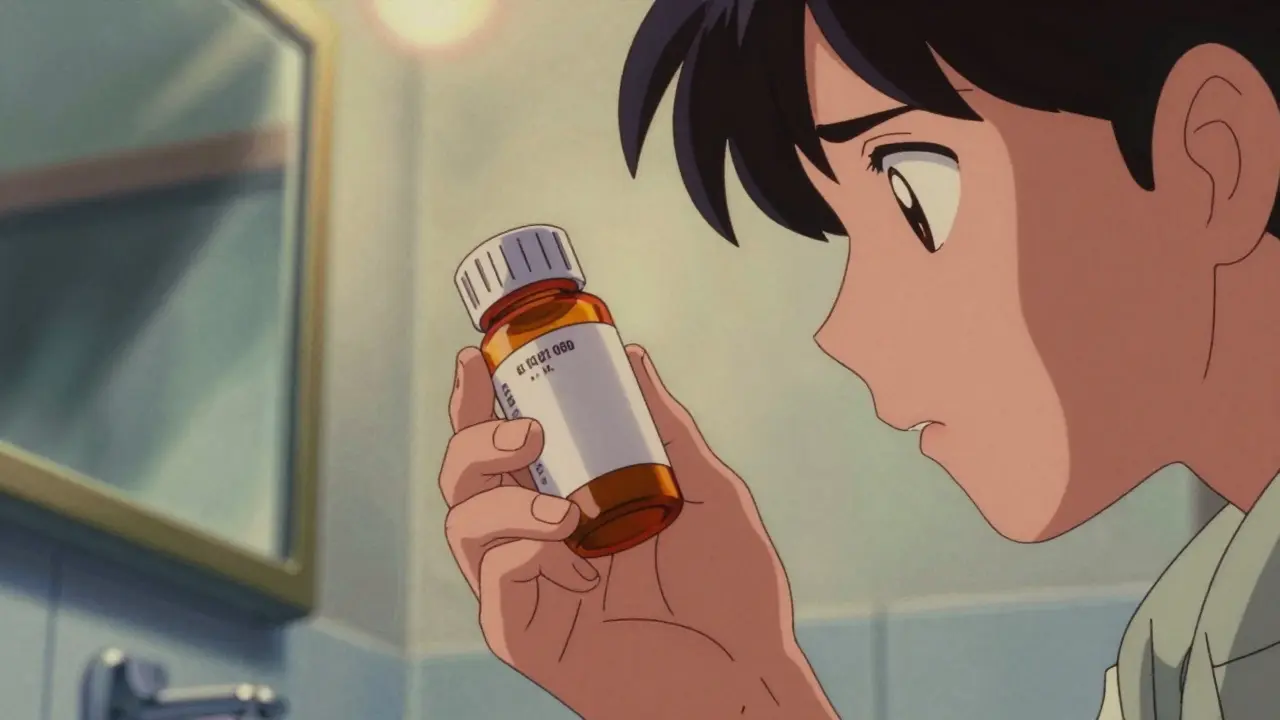
You open your medicine cabinet to find a bottle of pills, but you realize the date on the label passed six months ago. Now you're stuck with a frustrating choice: do you risk taking something that might be weak or toxic, or do you go without a necessary treatment? You aren't alone. About 76% of Americans have used an expired medication at some point. But here is the truth: not all expired drugs are created equal. Some are practically useless, some are just a bit weaker, and a few can actually be dangerous.
The best person to help you navigate this is your pharmacist. They don't just fill bottles; they are experts in the chemical stability of the drugs they dispense. However, walking up to the counter and asking, "Is this old stuff still okay?" might not get you the precise answer you need. To get a safe, accurate recommendation, you need to provide specific details and ask the right questions.
The Basics of Medication Expiration
Before you head to the pharmacy, it helps to understand what an expiration date actually means. The Food and Drug Administration is the federal agency responsible for protecting public health by ensuring the safety, efficacy, and security of human drugs. The FDA requires manufacturers to test how long a drug stays potent and then sets an expiration date, usually between 12 and 60 months after production.
Here is the secret: most medications don't magically turn into poison the day after they expire. Instead, they slowly lose potency. This means the active ingredient breaks down, and the drug becomes less effective at treating your symptoms. For a mild headache, a slightly weaker ibuprofen isn't a crisis. But for a life-threatening condition, a loss of potency can be a disaster.
| Risk Level | Typical Drug Types | What Happens? | Verdict |
|---|---|---|---|
| Low | Common OTCs (Acetaminophen) | Slight loss of strength | Usually safe for minor issues |
| Moderate | Some Prescription Tablets | Reduced efficacy | Consult pharmacist first |
| High | Insulin, Epinephrine, Nitroglycerin | Rapid loss of potency | Do not use |
| Critical | Liquid Antibiotics, Tetracycline | Toxicity or complete failure | Discard immediately |
What to Tell Your Pharmacist
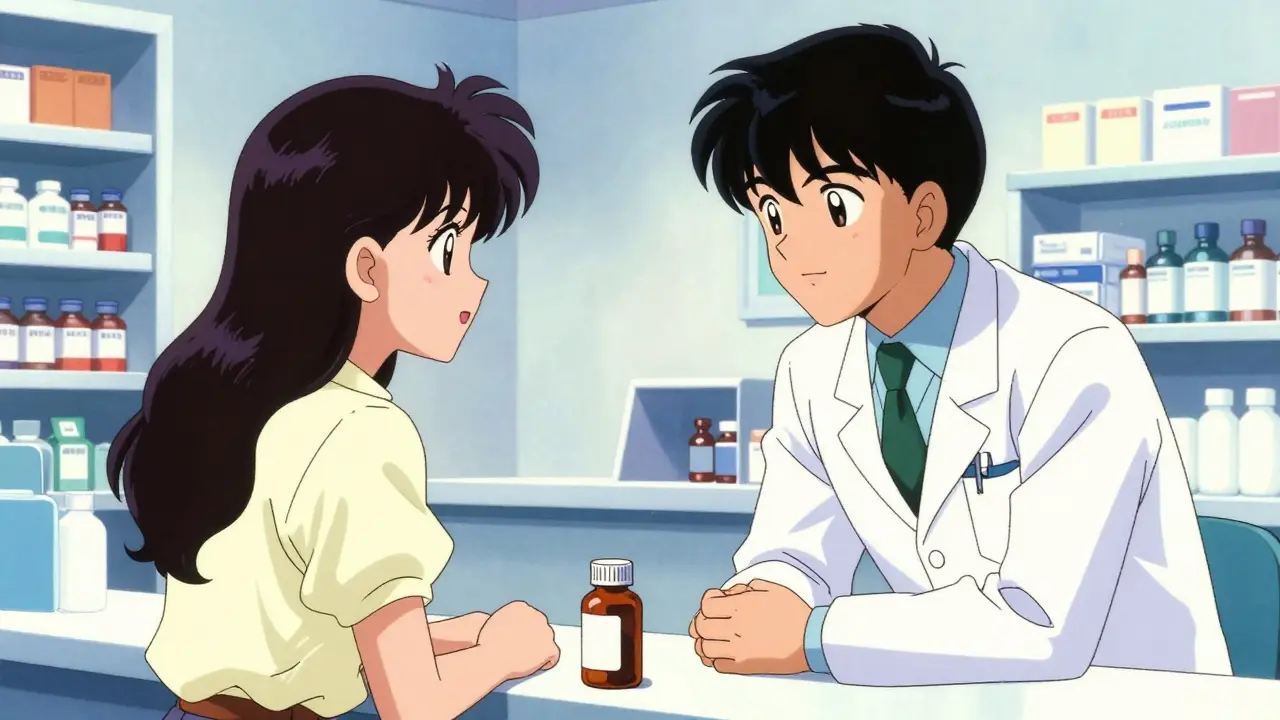
When you approach your pharmacist, don't just show them the bottle. To give you a professional assessment, they need a full picture. Start by explaining the medical condition you are treating. If you are managing a chronic illness like heart disease or a seizure disorder, your need for 100% potency is absolute. A pharmacist will be much more cautious with a blood thinner than they would be with a sleep aid.
Next, describe how the medication was stored. Heat, light, and moisture are the enemies of chemical stability. If your medication was kept in a humid bathroom cabinet or a hot car, it likely degraded much faster than the expiration date suggests. Be honest about this; it changes the advice you'll receive.
Finally, do a quick visual check. Tell the pharmacist if you noticed any of the following:
- The liquid looks cloudy or has particles floating in it.
- The tablets have changed color or developed a strange smell.
- The capsule has become soft or sticky.
Questions You Must Ask
To get a clear answer, move away from yes/no questions. Instead, use these targeted inquiries to uncover the specific risks involved with your medication:
- "Is this drug known to become toxic or just less effective after the date?" This clarifies if you are dealing with a potency issue or a safety hazard.
- "Given that this is a [liquid/tablet/injectable], how does that affect its shelf life?" Solids are generally more stable than liquids, which are prone to bacterial growth or rapid degradation.
- "If I use this temporarily while waiting for a refill, what are the specific risks for my condition?" This helps you weigh the risk of a gap in treatment versus the risk of using a sub-potent drug.
- "Are there lower-cost alternatives or assistance programs if I can't afford a new prescription right now?" Pharmacists can often help you find coupons or generics so you aren't tempted to use expired meds out of financial necessity.
The Danger Zone: When to Never Compromise
There are some medications where the risk is simply too high to gamble. You should never talk yourself into using expired versions of these drugs:
Insulin is a hormone used to treat diabetes by regulating blood glucose levels. When insulin expires, it loses its ability to lower blood sugar, which can lead to diabetic ketoacidosis-a medical emergency. Similarly, Epinephrine (found in EpiPens) is critical for treating anaphylactic shock. If it has lost its potency, it won't stop a severe allergic reaction in time.
Antibiotics are another gray area. If you use an expired antibiotic that is sub-potent, it might kill some bacteria but not all of them. This doesn't just leave you sick; it contributes to the global crisis of antibiotic-resistant infections. According to CDC data, millions of antibiotic-resistant infections occur annually in the U.S., making it vital to use full-strength, current medications.
How to Properly Dispose of Old Meds
Once the pharmacist confirms a drug is no longer safe, don't just toss it in the trash or flush it. Flushing medications contaminates our water systems and harms aquatic life. The most professional way to handle this is through a take-back program.
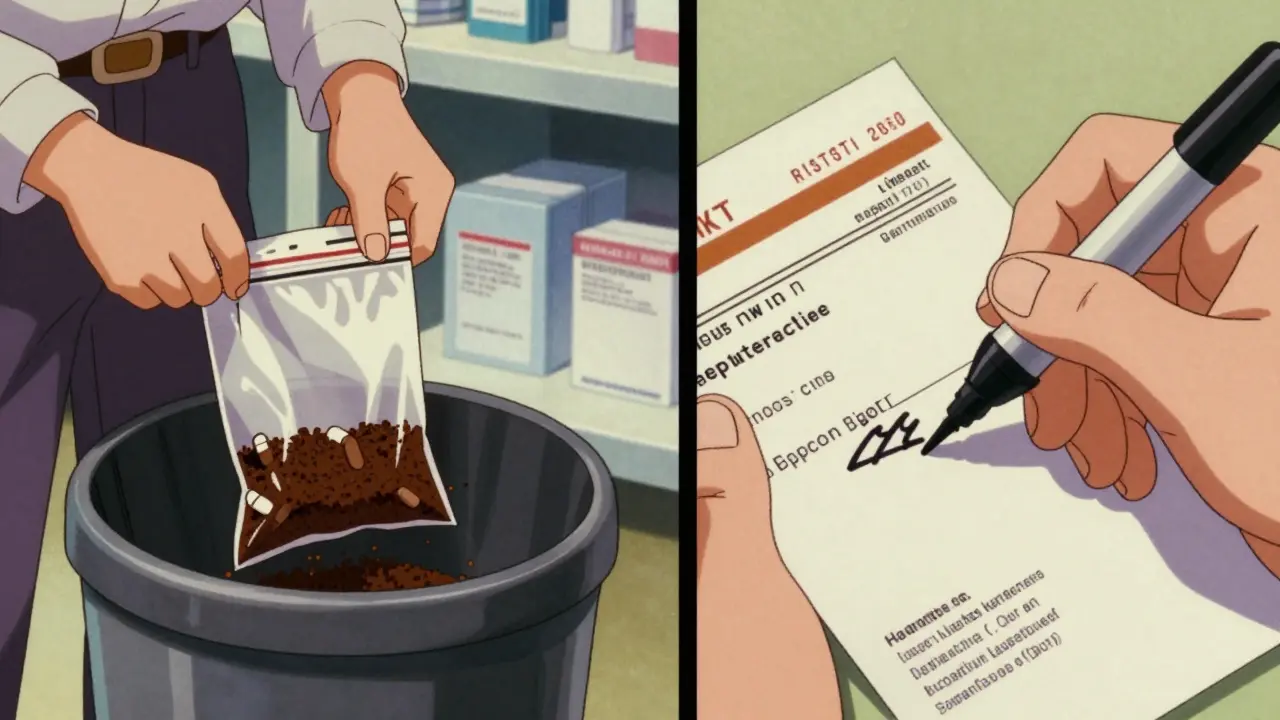
Many large chains, such as Walgreens and CVS, provide in-store disposal kiosks. If you can't find one, the FDA suggests using pre-paid mail-back envelopes. For those who absolutely must use household trash as a last resort, follow these steps to keep pets and children safe:
- Mix the medication (do not crush tablets) with an unappealing substance like coffee grounds or cat litter.
- Place the mixture in a sealed plastic bag.
- Scratch out or scribble over your personal information on the prescription label to protect your privacy.
- Throw the sealed bag in the trash.
Preventing the "Expired Drug Dilemma"
The best way to avoid this conversation is to have a system that keeps your cabinet current. Try the "First In, First Out" (FIFO) method: always place newer bottles behind older ones so you use the earliest expiring stock first.
You should also keep a simple inventory list of your medications and their dates. If you find yourself frequently running out of meds and relying on old stock, talk to your pharmacist about automated refill reminders. Many modern pharmacies now use digital tools to alert you before your supply hits zero, reducing the chance that you'll ever have to wonder if an old pill is still safe to take.
Do all medications become dangerous after they expire?
No. Most medications simply lose their potency, meaning they become less effective over time. Only a very small number of drugs become toxic after their expiration date. However, for critical medications, a loss of potency can be just as dangerous as toxicity because the drug may fail to treat a life-threatening condition.
Can I use expired over-the-counter (OTC) drugs for a cold or headache?
Generally, most solid OTC medications like ibuprofen or acetaminophen remain stable for a while after their expiration date. If they are only a few months past the date and have been stored in a cool, dry place, they are often safe for minor ailments. However, you should still check for changes in color, odor, or consistency.
What should I do if I already took an expired medication?
If it was a common OTC tablet, you likely have nothing to worry about other than a possible reduction in effectiveness. However, if you took an expired critical medication (like insulin or a heart medication) and your symptoms are not improving or are worsening, contact your doctor or go to urgent care immediately.
Why can't I just flush my old pills down the toilet?
Flushing medications introduces pharmaceutical chemicals into the water supply. Most wastewater treatment plants are not designed to filter out these drugs, meaning they end up in rivers and lakes, potentially harming fish and other wildlife.
Does the storage location really affect the expiration date?
Yes, significantly. The expiration date assumes the drug was stored under ideal conditions. If a medication is exposed to high humidity (like in a bathroom), extreme heat, or direct sunlight, the chemical bonds can break down much faster, rendering the drug ineffective long before the printed date.

Ikram Khan - 15 April 2026
Omg this is such a lifesaver!! 😱 I literally have a cabinet full of stuff and no clue what's actually safe. Totally gonna try the FIFO method to stay organized!! ✨
rupa das - 15 April 2026
pharmacists just want you to buy new ones
Randy Ryder - 16 April 2026
The nuance regarding the degradation of bioactive compounds is essential here. When we talk about stability, we're really discussing the kinetics of chemical decomposition over time. For anyone dealing with complex molecular structures, the hydrolysis or oxidation that occurs in a non-controlled environment can render the therapeutic index completely skewed. It's a great reminder to keep an eye on the bioavailability of our meds if they've been sitting in a humid environment for too long.
David Snyder - 17 April 2026
I think it's wonderful that there are so many free resources like pharmacy kiosks for disposal. It makes it so much easier for everyone to do the right thing for the planet while staying healthy.
Kenzie Evans - 19 April 2026
Imagine thinking people actually follow a 'system' for their medicine cabinets. This is just basic common sense that anyone with a brain already knows. The advice about the bathroom cabinet is painfully obvious because everyone knows bathrooms are humid. Truly groundbreaking stuff here.
Scott Lofquist - 20 April 2026
Actually, the 'potency loss' argument is often overstated for simple tablets 🙄. Most of these dates are just legal buffers for the companies to avoid lawsuits. If you've kept it in a cool place, it's practically identical to a fresh bottle. People are just too scared to trust their own judgment these days! 💅💉
Milo Tolley - 22 April 2026
The pharmacokinetic implications of utilizing sub-potent pharmaceuticals are absolutely catastrophic!!! 😱 We are talking about a complete failure of the therapeutic window!!! The sheer negligence of ignoring an expiration date on a critical drug is a systemic tragedy!!!
Brooke Mowat - 22 April 2026
It is such a wild ride how we treat these little pills like magic potions but then forget they are just chemestry in a bottle. I always feel like we're just dancing around the edge of a great mystery when we talk about health and timing. Maybe the expirashun date is just a sugestion from a world that loves lines and boxes too much!! We should just flow with the vibez and trust the pharmacist to guide us through the haze of it all. It's all about that cosmic balance between safety and the chaos of a messy medicine cabinet. Let's just be mindful and kind to our bodies while we navigate these weird little rules. Truly, the way we store our meds is a reflection of how we store our memories-sometimes things just fade away until they aren't useful anymore. But hey, as long as we're tryin to be better, that's a win in my book!! Keep glowin and growin everyone!! 🌸✨