Medications You Should Never Use After the Expiration Date
Dec 21 2025 - Health and Pharmaceuticals
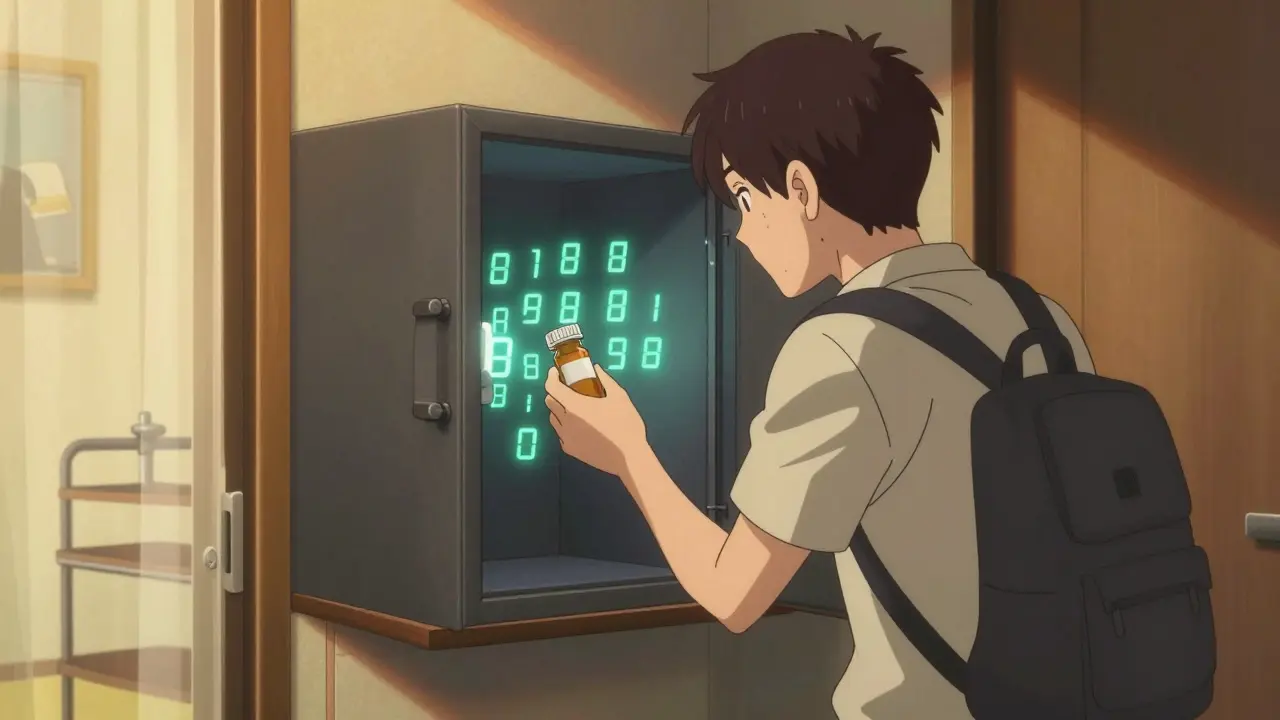
Learn how to securely store prescription and emergency medications in hotels and hostels to prevent theft, accidental access, or legal issues while traveling. Essential tips for travelers with controlled substances, insulin, or anxiety meds.
read more
Learn how patch testing identifies hidden skin allergens like nickel, fragrances, and preservatives. Discover common irritants, what to expect during testing, and how to avoid triggers for lasting relief.
read more
Registries and claims data are two key sources of real-world evidence used to monitor drug safety after approval. Learn how they work, their strengths, limitations, and how regulators use them to protect patients.
read more
Sterile manufacturing for injectables demands extreme controls to prevent contamination that can cause death. Learn the key requirements, differences between terminal and aseptic methods, cleanroom standards, and why failures cost millions.
read more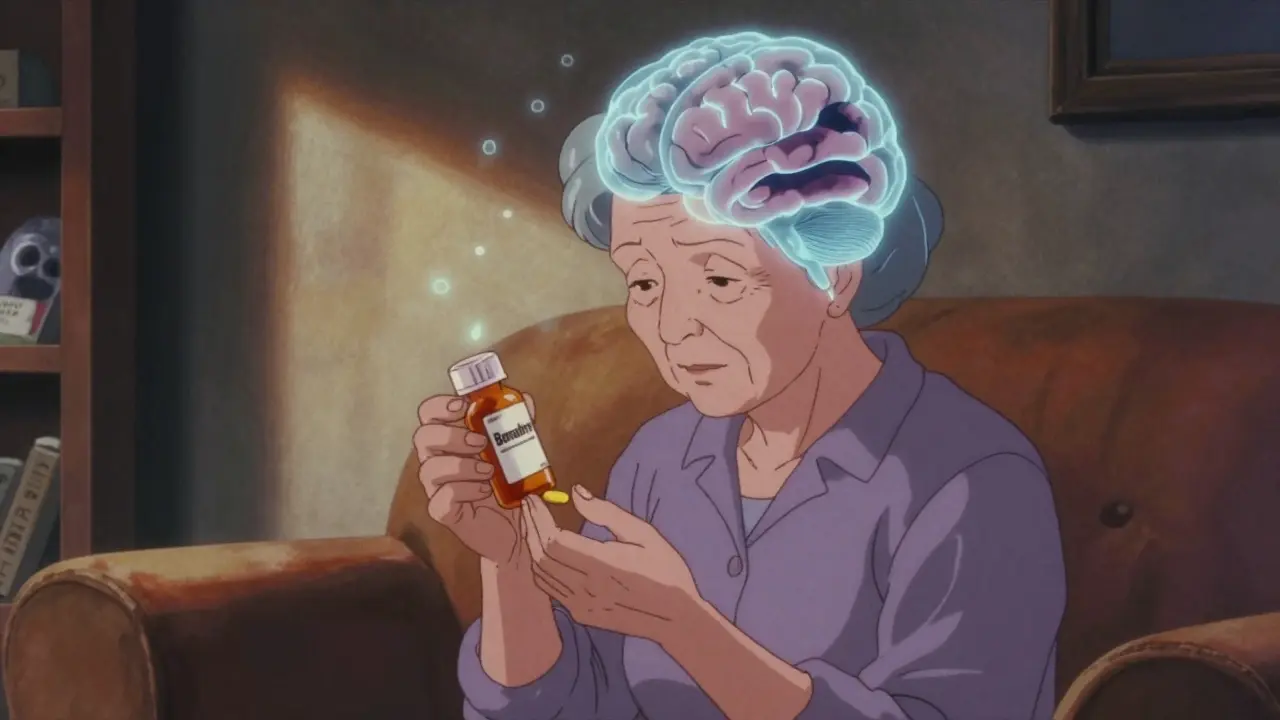
Anticholinergic medications like Benadryl and oxybutynin are linked to increased dementia risk with long-term use. Learn which drugs are most dangerous, how to reduce your cognitive burden, and safer alternatives.
read more
Drug desensitization is a safe, medically supervised way to temporarily tolerate a life-saving medication you're allergic to. Used in cancer, autoimmune, and infectious disease treatment, it allows patients to receive essential drugs like chemotherapy or antibiotics despite prior severe reactions.
read more
© 2026. All rights reserved.