How to Safely Dispose of Chemotherapy Medication at Home
Nov 19 2025 - Health and Pharmaceuticals
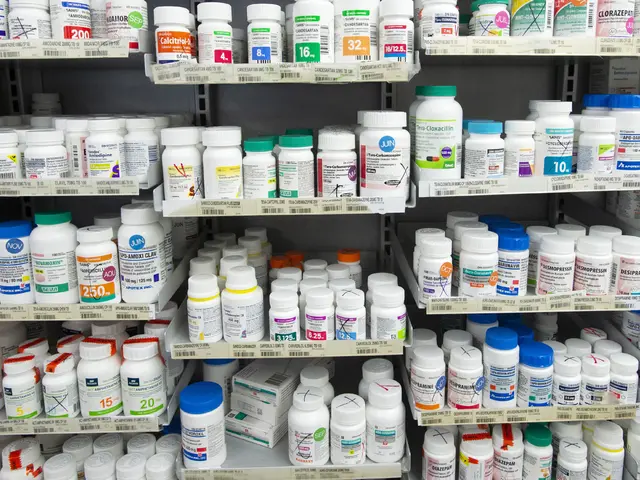
When you pick up a generic pill, you expect it to work just like the brand-name version. That’s only possible because of manufacturing quality, the set of controlled processes that ensure every batch of medicine is consistent, pure, and safe. This isn’t guesswork—it’s science, enforced by the FDA, the U.S. agency that sets and checks drug production standards through strict guidelines like cGMP. Without this level of control, a generic drug could be too weak, too strong, or even contaminated—and that’s not hypothetical. Real cases have led to recalls, hospitalizations, and deaths.
Manufacturing quality isn’t just about the final tablet. It starts with the active pharmaceutical ingredient (API), the chemical that actually treats the condition. Where that API comes from matters. Companies in India and China produce most of the world’s APIs, but not all follow the same rules. The ANDA, the FDA application for generic drugs, forces manufacturers to prove their product matches the brand in strength, purity, and how it’s absorbed by the body. That’s why switching from brand to generic phenytoin can be risky if manufacturing quality isn’t tight—small differences in how the drug dissolves can cause seizures or toxicity. It’s not about the name on the bottle. It’s about how it was made.
Manufacturing quality also means consistency across batches. One pill shouldn’t have 10% more active ingredient than the next. That’s why facilities are inspected, equipment is calibrated, and workers are trained. Even something as simple as the humidity in the room can affect how a powder flows into a capsule. That’s why the Hatch-Waxman Act, the law that created the modern generic drug system didn’t just lower costs—it demanded proof of equivalence. And it’s why patients need to know: not all generics are created equal. Some brands cut corners. Others invest in precision. The difference shows up in blood levels, side effects, and sometimes, survival.
Manufacturing quality doesn’t stop at the factory. It extends to how drugs are stored, shipped, and handled. Heat, moisture, and light can break down medicine before it even reaches you. That’s why packaging, labeling, and handling matter just as much as the production line. When you hear about a recall for contaminated pills or unstable batches, it’s almost always a failure in manufacturing quality—not the drug itself. The good news? Most generics are safe. But knowing how they’re made helps you ask the right questions, spot red flags, and trust your meds. Below, you’ll find real cases where manufacturing quality made or broke patient outcomes—from generic phenytoin to the rise of Asian drug makers and how insurers pressure pharmacies to switch brands. This isn’t theory. It’s daily life for millions.

Environmental monitoring in manufacturing prevents contamination by testing air, surfaces, and water for microbes and chemicals. Learn how zone classification, testing methods, and regulations like FDA and EU GMP Annex 1 ensure product safety.
read more
© 2026. All rights reserved.