Exploring Pharmacy Portal.com: A Comprehensive Review and User Experience
Jan 25 2024 - Online Pharmacy Reviews
When you pick up a prescription, you might get a generic version instead of the brand name. That’s thanks to therapeutic equivalence, the official standard that says two drugs produce the same clinical effect and safety profile in patients. Also known as bioequivalence, it’s the reason pharmacies can swap pills without asking your doctor—unless the drug has a narrow therapeutic window. This isn’t just paperwork. It’s about whether your blood pressure pill, seizure med, or antidepressant will still work the same way after a switch.
Not all drugs are created equal when it comes to substitution. phenytoin, a seizure medication with a tiny margin between effective and toxic doses, is a classic example. Even small changes in how the body absorbs a generic version can trigger seizures or cause poisoning. That’s why therapeutic drug monitoring, the process of checking blood levels after switching generics, is required for some meds but ignored for others. The ANDA, the FDA application that lets generic makers prove their product matches the brand, doesn’t require new clinical trials—just lab tests showing the drug enters the bloodstream the same way. But that’s not always enough for drugs where timing, absorption, or metabolism matter.
It’s not just about pills. The same logic applies to how insurers force substitutions, how manufacturers handle batch variations, and why some patients end up with unexpected side effects after a switch. You’ll find posts here that explain why therapeutic equivalence isn’t a one-size-fits-all rule, how to spot when your meds might not be interchangeable, and what to ask your pharmacist before accepting a generic. From statins to anticoagulants, from insulin to epilepsy drugs, the difference between a safe swap and a dangerous one often comes down to this one concept—and whether anyone bothered to check if it really holds true for your body.
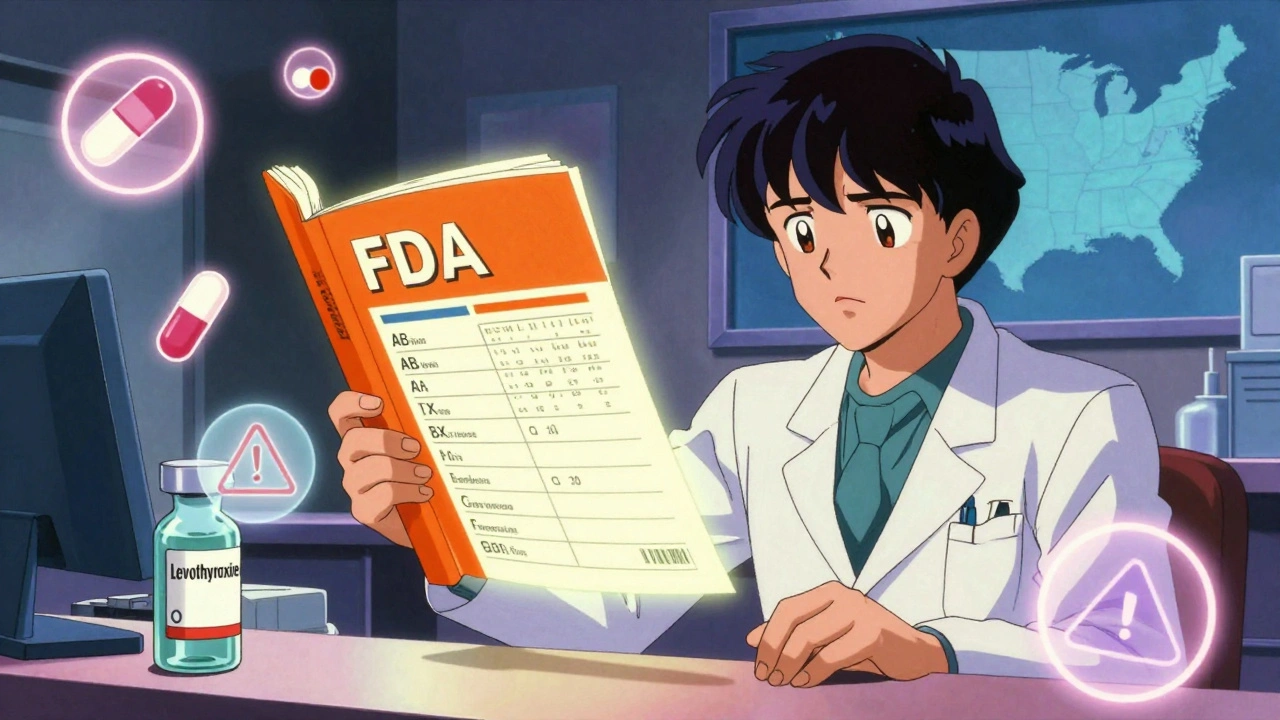
Pharmacists must stay current on generics to ensure safe substitutions and comply with state and federal regulations. Learn how to navigate the FDA Orange Book, understand therapeutic equivalence, and meet CE requirements effectively.
read more
© 2026. All rights reserved.