Azulfidine (Sulfasalazine) vs. Common IBD Alternatives: Detailed Comparison
Oct 21 2025 - Health and Pharmaceuticals
When your heart beats slower than 60 times per minute, that’s bradycardia, a condition where the heart’s natural pacing slows down enough to affect blood flow. It’s not always a problem—in athletes, it’s normal—but when it happens unexpectedly or with symptoms like dizziness or fatigue, it’s a red flag. This isn’t just about heart health. It’s often tied to the very medications you take every day to manage other conditions.
Many drugs that help your heart, blood pressure, or mental health can accidentally slow your pulse. beta-blockers, medications used for high blood pressure, angina, and arrhythmias are classic culprits. So are calcium channel blockers, drugs that relax blood vessels and reduce heart workload. Even statins, cholesterol-lowering pills linked to muscle pain and nerve effects, can indirectly contribute by altering how your body responds to electrical signals in the heart. If you’re on any of these, your bradycardia might not be a standalone issue—it’s a side effect chain.
It gets more complex when you mix meds. Taking a beta-blocker with a drug like diltiazem, a calcium channel blocker often prescribed for angina or atrial fibrillation, can push your heart rate into dangerous territory. And if you’re on anticoagulants, blood thinners like warfarin or DOACs used to prevent strokes, a slow heart rate might mean you’re also at higher risk for falls—making bleeding more likely. These aren’t theoretical risks. Real patients have ended up in the ER because their meds, each safe alone, became a dangerous combo.
What you’ll find here isn’t a list of symptoms or textbook definitions. It’s the real-world connection between your pills and your pulse. You’ll see how switching generics can change your heart rate, why herbal supplements like Danshen can worsen bradycardia, and how monitoring your meds—especially when you’re older or on multiple drugs—isn’t optional, it’s life-saving. These aren’t rare cases. They’re the quiet side effects that slip through the cracks because no one connects the dots between your blood pressure pill and your dizzy spells.
There’s no one-size-fits-all fix. But knowing what to watch for—like a sudden drop in pulse, unexplained fatigue, or fainting after a new prescription—can help you speak up before it turns into an emergency. The posts below show exactly how this plays out in practice: from drug interactions that slow your heart to the hidden risks of combining common meds. You don’t need to be a doctor to understand this. You just need to know what your body’s telling you—and what your pills might be hiding.
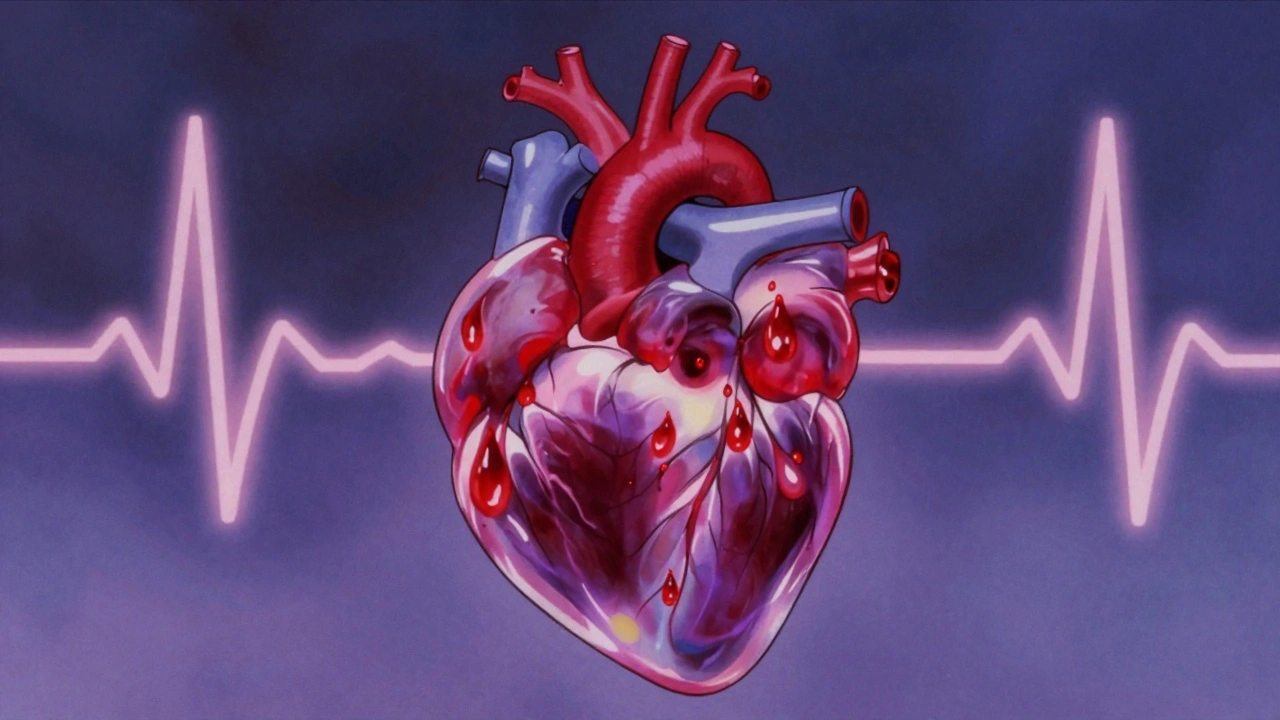
Learn about the three most common heart rhythm disorders-atrial fibrillation, bradycardia, and tachycardia. Understand symptoms, causes, treatments, and what you can do to stay healthy.
read more
© 2026. All rights reserved.