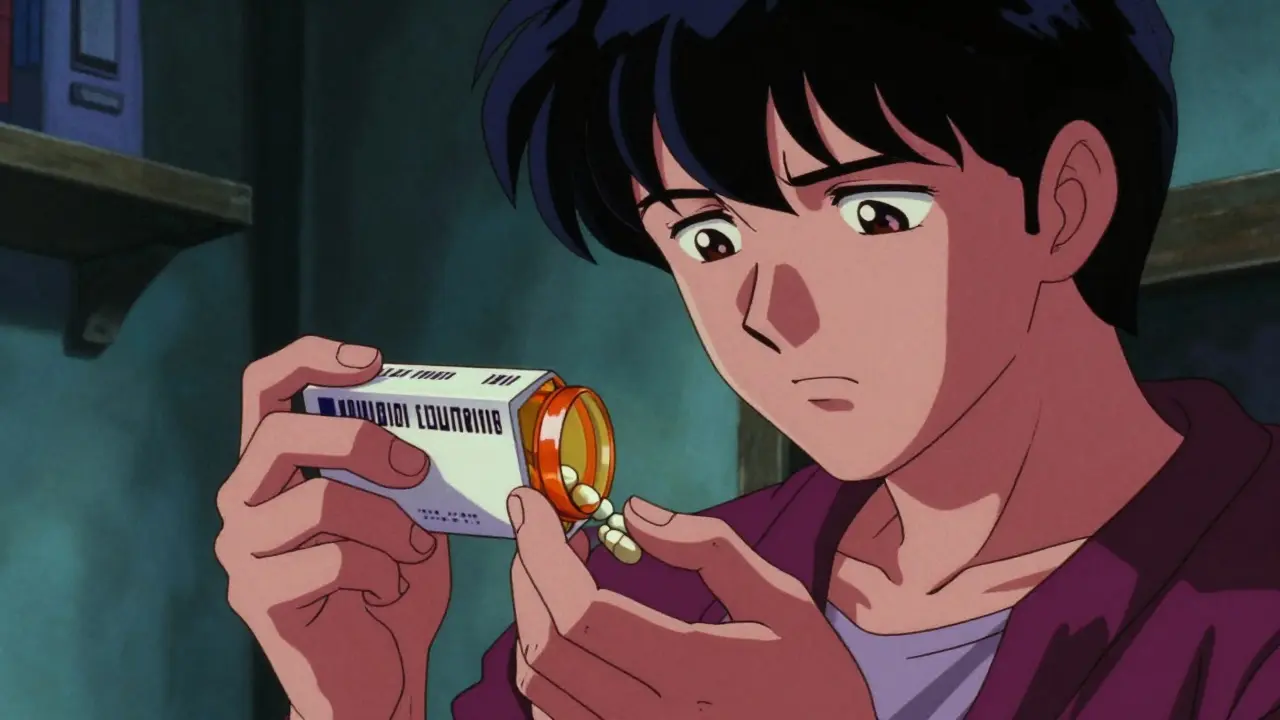
Imagine opening a new prescription, only to notice the pills look slightly different from your last batch. Maybe the color is off, or the packaging feels flimsy. It’s a scary thought, but it’s one that more people are facing today. Counterfeit drugs aren’t just a problem in distant countries; they are increasingly showing up in online pharmacies and even local supply chains. The good news? You have the power to stop them from hurting others by reporting them correctly.
If you suspect your medication is fake, knowing exactly who to call and what information to provide can make the difference between a routine check and a major criminal investigation. This guide breaks down the process, so you don't have to guess when your health is on the line.
Signs Your Medication Might Be Fake
Before you pick up the phone or fill out a form, you need to be sure something is wrong. Counterfeiters are getting better at copying brands, but they often miss the small details. According to data from the U.S. Food and Drug Administration (FDA), nearly 78% of counterfeit drugs contain spelling errors on the label or packaging. That’s a huge clue.
Look closely at these common red flags:
- Missing or Illegible Lot Numbers: Every legitimate batch of medicine has a unique lot number printed on the box and bottle. If it’s missing, scratched off, or blurry, that’s a major warning sign. About 63% of fakes lack proper lot identification.
- Pill Appearance: Check the color, shape, and texture. Is the pill crumbling easily? Does it have an unusual taste or smell? Roughly half of all counterfeits show abnormal physical characteristics.
- Packaging Quality: Legitimate pharmaceutical companies invest heavily in secure packaging. If the seal is broken, the foil looks wrinkled, or the font looks "off," be suspicious. Inconsistencies in packaging are present in 87% of fake products.
- Price Too Good to Be True: If you bought medication from an online site offering prices significantly lower than your local pharmacy, there’s a high risk it’s counterfeit. Remember, 96% of non-compliant online pharmacies fail to meet legal standards.
If you spot any of these issues, do not take another dose. Keep the product exactly as it is-you’ll need it as evidence.
Where to Report: Choosing the Right Channel
Not all reporting channels are created equal. Where you report depends on whether you’re dealing with a health issue, a potential crime, or a general quality concern. Picking the right agency speeds up the response time dramatically.
| Channel | Best For | Response Time | Key Requirement |
|---|---|---|---|
| FDA MedWatch | Adverse health effects & product defects | Avg. 72 hours (electronic) | Drug name, lot number, symptoms |
| FDA Office of Criminal Investigations (OCI) | Suspected criminal activity & large-scale fraud | 48 hours for high-priority cases | Evidence preservation, suspect details |
| Pharmaceutical Manufacturer Hotlines | Verifying authenticity of specific brand | Within 24-48 hours | Product-specific expertise needed |
| DEA Tip Submission | Counterfeit controlled substances (e.g., opioids) | Varies; 63% lead to investigations | Schedule I-V substance involvement |
| WHO Global Surveillance System | International incidents & global alerts | Avg. 14 days | Global coordination, not for urgent local cases |
For most consumers in the United States, FDA MedWatch is the primary starting point. It’s designed for patients and healthcare providers to report adverse events and product problems. However, if you believe you’ve stumbled onto a distribution ring or see obvious criminal intent, the FDA’s Office of Criminal Investigations (OCI) is the better route. They processed over 1,800 counterfeit drug investigations in fiscal year 2022 alone.
Step-by-Step: How to File a Report
Reporting doesn’t have to be complicated, but being thorough helps investigators act faster. Here is the practical workflow recommended by regulatory experts.
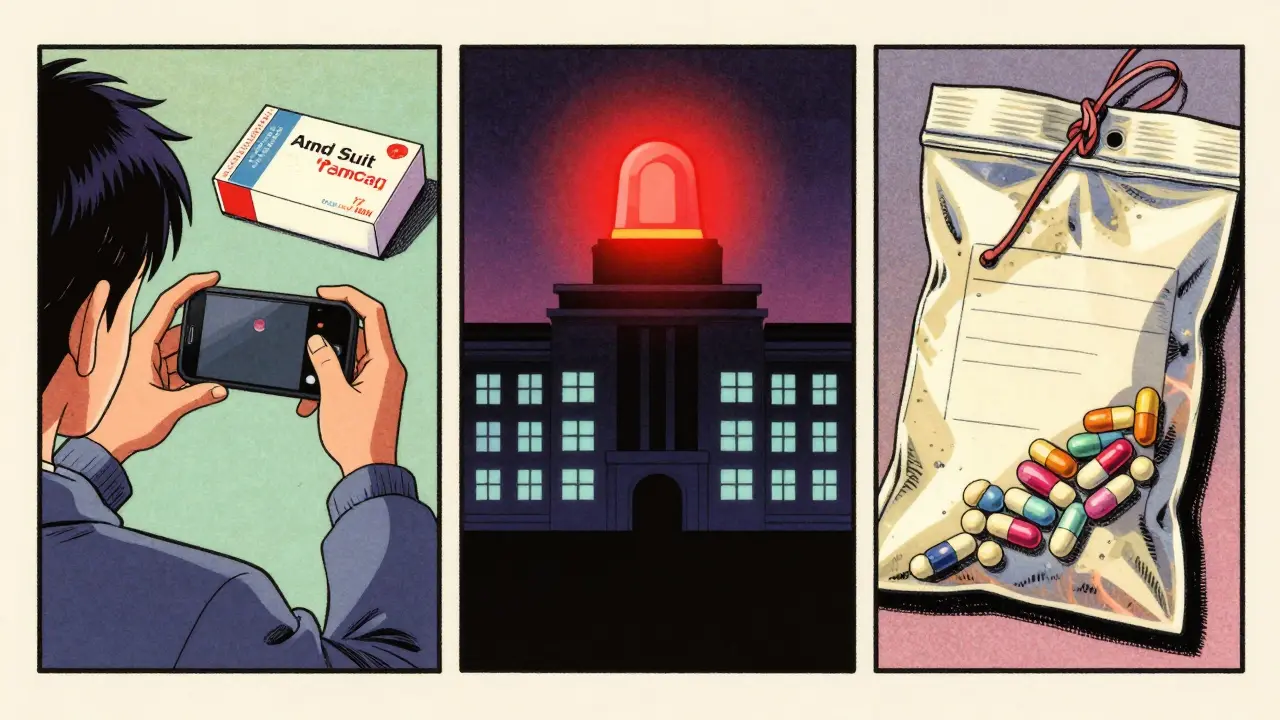
- Document Everything Immediately: Take clear photos of the medication, the packaging, the lot number, and any expiration dates. Spend at least 15 minutes documenting. Photos of packaging irregularities help 89% of reports get processed faster than text-only submissions.
- Preserve the Evidence: Do not throw away the pills or the box. Keep them in a safe place. If you’ve already taken some, note how many and when. Investigators need the physical product to test for active ingredients and harmful substances like arsenic or lead.
- Seek Medical Help if Needed: If you feel unwell, contact your healthcare provider or go to the ER immediately. Your health comes first. Tell them you suspect the drug may be counterfeit.
- Choose Your Reporting Platform:
- Online: Use the FDA MedWatch electronic form at
fda.gov/medwatch. It takes about 22 minutes to complete. - Phone: Call the FDA toll-free line at 1-800-FDA-1088 (available 24/7).
- Criminal Tip: Submit directly to the OCI portal at
fda.gov/ociif you suspect organized crime.
- Online: Use the FDA MedWatch electronic form at
- Provide Specific Details: Include the drug name, strength, National Drug Code (NDC), where you bought it (website URL or store address), and any side effects. Dr. Patrizia Cavazzoni from the FDA notes that comprehensive documentation increases investigative success rates by 63%.
- Follow Up: If you don’t receive an acknowledgment within 10 business days, follow up. Electronic submissions usually get a reply within 72 hours.

Why Your Report Matters More Than You Think
You might think one report won’t change anything, but the data says otherwise. When consumers report suspected fakes, it triggers a chain reaction. The FDA uses this data to intercept shipments at ports of entry. In 2022, a 22% increase in MedWatch counterfeit reports helped authorities intercept 1.2 million additional fake pills.
Furthermore, integrated reporting systems-where regulators, law enforcement, and manufacturers share data-have been shown to reduce the circulation of counterfeit drugs by nearly 40% within two years. By reporting, you’re not just protecting yourself; you’re helping shut down criminal networks that profit from people’s vulnerabilities.
The market for counterfeit pharmaceuticals is growing, estimated at over $230 billion globally in 2022. But every report filed adds to the intelligence database that agencies like INTERPOL and the FDA use to track these criminals. Operation Pangea XXV, for example, led to the takedown of 113,000 illegal websites because of coordinated tips and reports.
Common Mistakes to Avoid
Even well-intentioned reporters can slow down the process. Here’s what to avoid:
- Contacting the Wrong Agency: Don’t call the manufacturer if you suspect a criminal syndicate. Don’t call the police if you just have a question about pill color. Use the channel table above to match your situation.
- Discarding Evidence: Throwing away the bottle means investigators can’t test it. Even if the pills are gone, keep the empty container.
- Vague Descriptions: Saying "the pill looked weird" isn’t enough. Say "the pill was blue instead of white and had no imprint." Specificity saves lives.
- Ignoring Online Pharmacy Red Flags: If you bought meds from a site that didn’t require a prescription or offered huge discounts, note that clearly. 96% of such sites fail compliance checks.
Remember, you are the eyes and ears on the ground. Regulatory agencies rely on public vigilance to catch fakes before they cause widespread harm. Stay alert, document carefully, and report confidently.
What should I do if I already took a suspected counterfeit drug?
If you experience any unusual symptoms, seek immediate medical attention. Tell your doctor you suspect the medication may be counterfeit. Preserve the remaining pills and packaging as evidence, then file a report with the FDA MedWatch program or your local health authority. Do not wait for symptoms to worsen before acting.
Can I report a counterfeit drug anonymously?
Yes, both the FDA MedWatch system and the DEA tip submission allow for anonymous reporting. However, providing contact information can help investigators follow up for more details, which may speed up the resolution of the case. If you prefer anonymity, simply leave those fields blank, but ensure all other product details are accurate.
How long does it take for the FDA to investigate a counterfeit drug report?
Response times vary based on urgency. For electronic MedWatch submissions, you typically receive an initial acknowledgment within 72 hours. High-priority criminal investigations handled by the FDA's Office of Criminal Investigations may trigger field actions within 48 hours. Complex cases involving international supply chains can take longer, but your report initiates the critical first step.
What is the difference between substandard and counterfeit drugs?
Counterfeit (or falsified) drugs are deliberately and fraudulently mislabeled regarding identity or source, often containing incorrect or harmful ingredients. Substandard drugs are genuine products that fail to meet quality specifications or standards due to manufacturing errors, poor storage, or degradation. Both pose health risks, but counterfeit drugs involve intentional fraud, while substandard ones result from quality control failures.
Should I contact the drug manufacturer or the FDA first?
If you are unsure about the authenticity of a specific brand, contacting the manufacturer’s quality assurance department can be helpful for verification. However, if you suspect criminal activity, adverse health effects, or widespread distribution issues, report directly to the FDA via MedWatch or the OCI portal. Manufacturers can assist with product-specific queries, but regulatory agencies handle broader public safety and criminal investigations.