
Florida Senior Faces Charges Over Misbranded Erectile Dysfunction Medications
Mar 21 2024 - Health and Wellness
When you take corticosteroids, a class of powerful anti-inflammatory drugs often prescribed for autoimmune diseases, asthma, or arthritis. Also known as steroids, they help control inflammation but can quietly weaken your bones over time. This side effect isn’t rare—it’s one of the most common and preventable causes of osteoporosis, a condition where bones become thin, brittle, and prone to fractures in people on long-term treatment. You might not feel it happening, but every month on steroids chips away at your bone density, especially in the spine, hips, and wrists.
Not everyone on steroids gets osteoporosis, but the risk goes up fast with dose and duration. Taking just 5 mg of prednisone daily for more than 3 months doubles your fracture risk. Older adults, postmenopausal women, and people with low vitamin D or poor nutrition are hit hardest. What makes it worse? Many patients don’t know their bones are at risk until they break something. A simple fall, a cough, or even bending over can lead to a compression fracture in the spine. And once it happens, recovery is slow, painful, and often permanent.
The good news? You can fight back. Doctors now know how to spot early bone loss with a DEXA scan, and there are proven ways to slow or even reverse the damage. Calcium and vitamin D aren’t just supplements—they’re essential armor. Weight-bearing exercise like walking or light resistance training helps rebuild bone strength. Some patients need medications like bisphosphonates (think Didronel or alendronate) to stop bone breakdown. And in many cases, your doctor can lower your steroid dose or switch to a different treatment that’s easier on your skeleton.
What you’ll find below isn’t just theory—it’s real advice from people who’ve lived through this. From how to talk to your doctor about bone scans, to what actually works for bone protection, to the hidden risks of mixing steroids with other meds like proton pump inhibitors or thyroid drugs. These posts cover everything from dosing tips to natural alternatives, from patient stories to clinical data. No fluff. No guesses. Just what you need to know to keep your bones strong while managing your condition.
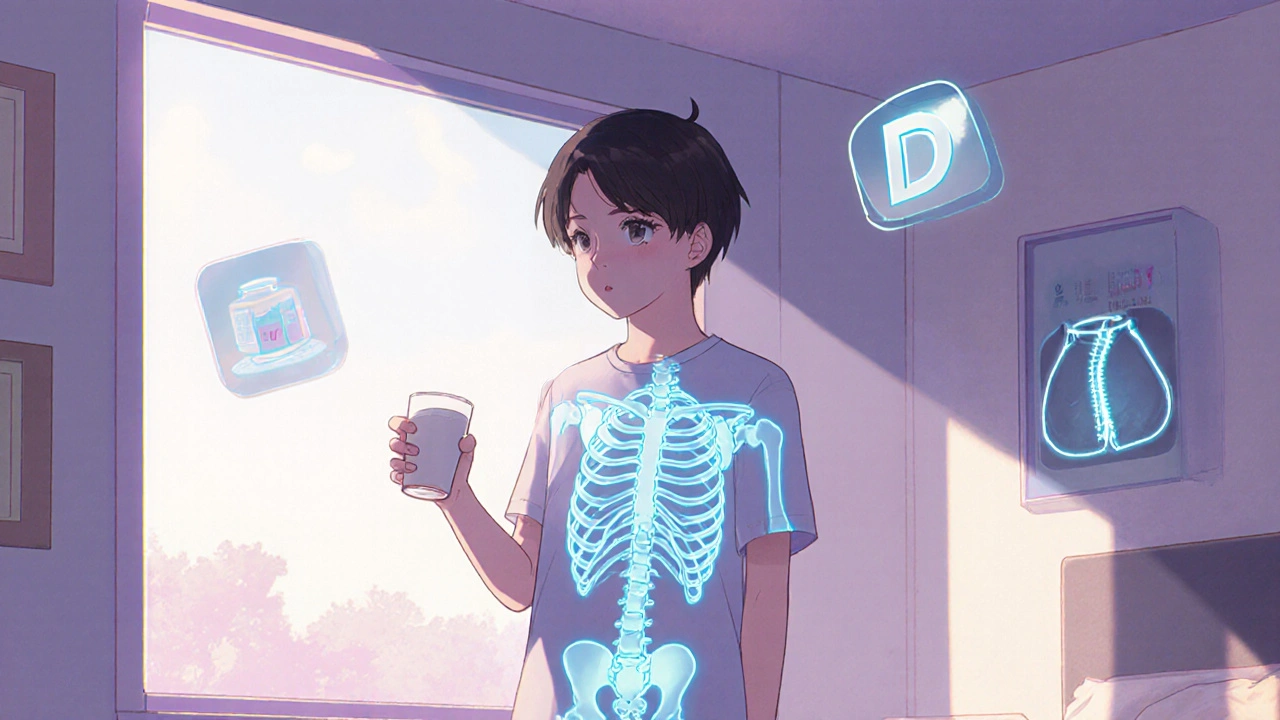
Long-term corticosteroid use can cause rapid bone loss and fractures. Learn science-backed prevention strategies-calcium, vitamin D, exercise, and medications-that actually work to protect your bones.
read more
© 2026. All rights reserved.