ScriptSave WellRx Review: Your Guide to Savings on Prescriptions
Dec 11 2023 - Health and Wellness Reviews
When you pick up a generic pill at the pharmacy, chances are it got approved through an Abbreviated New Drug Application, a streamlined FDA process that lets drugmakers prove a generic version is the same as the brand-name drug without repeating costly clinical trials. Also known as an ANDA, it’s the backbone of affordable medicine in the U.S. This isn’t just paperwork—it’s what keeps insulin, blood pressure meds, and antibiotics within reach for millions.
The FDA Orange Book, the official list of approved drug products with therapeutic equivalence evaluations is where you’ll find every approved ANDA. It tells pharmacists and doctors which generics are truly interchangeable. Not all generics are created equal, though. For drugs like phenytoin, an anti-seizure medication with a narrow therapeutic window, even tiny differences in how the body absorbs the drug can cause seizures or toxicity. That’s why therapeutic equivalence isn’t just a label—it’s a safety check.
Generic drugs don’t just save money—they change how healthcare works. Insurers push for substitution because ANDA-approved generics cost 80% less than brand names. But that pressure creates real tension. Doctors have to fight paperwork just to keep a patient on the version that works. Pharmacists must track which batches are interchangeable. Patients need to know when switching brands might hurt them. And behind it all? The ANDA system. It’s not glamorous, but without it, most people couldn’t afford their meds.
You’ll find posts here that dig into exactly how this system affects you. From why switching from brand to generic phenytoin can be dangerous, to how insurers force substitutions that may not be safe, to how pharmacists stay compliant with continuing education requirements. These aren’t abstract rules—they’re daily realities for patients, providers, and pharmacies. Whether you’re managing a chronic condition, helping a loved one navigate prescriptions, or just trying to understand why your pill looks different this month, the Abbreviated New Drug Application is the hidden force behind it all. What you’re about to read isn’t just about drugs—it’s about access, safety, and who gets to decide what works.
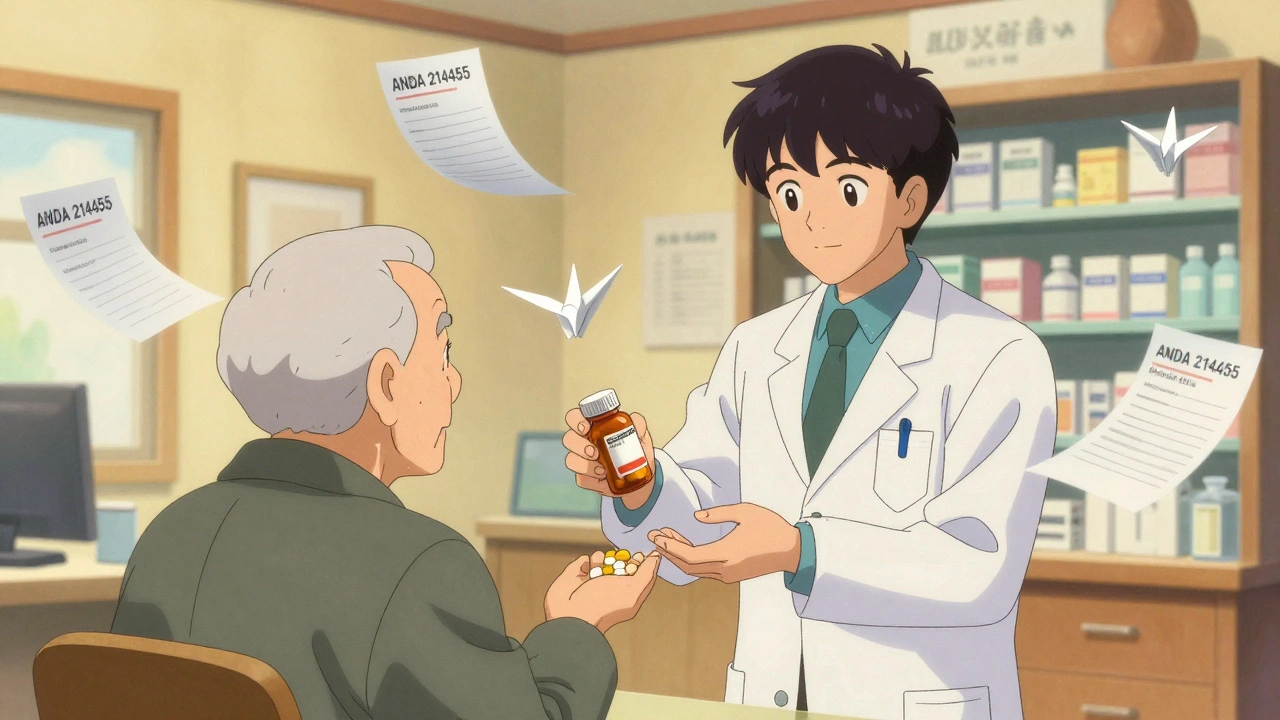
An ANDA, or Abbreviated New Drug Application, is the FDA pathway for approving generic drugs. It saves billions by letting manufacturers prove equivalence to brand-name drugs without redoing clinical trials.
read more
© 2026. All rights reserved.