
That sharp pain when you pull on your earlobe? It’s a classic sign of Otitis Externa, commonly known as swimmer's ear. Unlike middle ear infections that affect children after colds, this condition targets the skin lining the outer ear canal. Roughly 1 in 10 Americans deals with this annually, often triggered by water trapping moisture in the ear. The good news? Most cases resolve quickly with the right ear drops, provided you pick the correct type for your specific cause.
You don't need to panic or rush to the ER for every itchy ear. Understanding the difference between bacterial, fungal, and mild irritation determines whether you need a $15 over-the-counter solution or a prescription antibiotic. Getting this wrong can delay healing by up to two weeks. Here is how to identify what’s happening in your ear and which treatments actually work based on current medical data.
Why Your Ear Canal Gets Infected
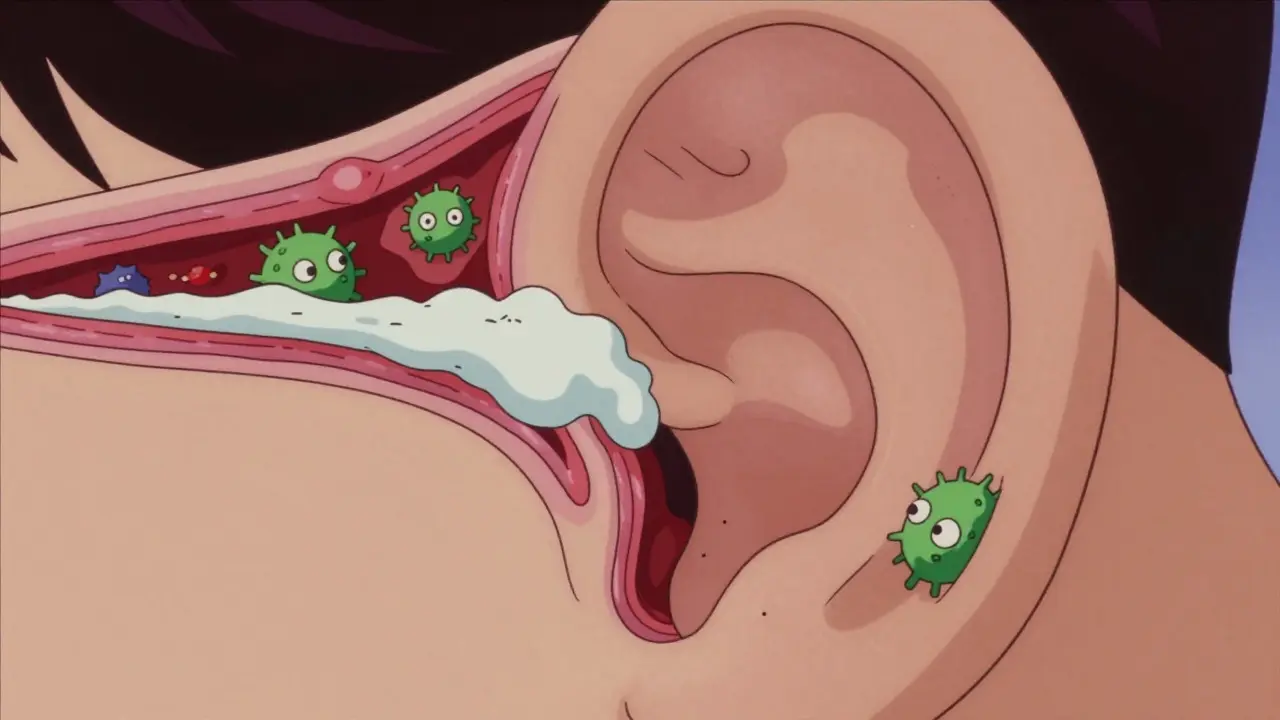
Your ear canal isn’t just a tube; it’s a self-cleaning ecosystem protected by cerumen (earwax). This wax maintains an acidic pH between 5.0 and 5.7, creating an environment where most bacteria struggle to survive. When water gets trapped-whether from swimming, showering, or using cotton swabs-it disrupts this balance. The skin swells, the wax washes away, and the protective barrier breaks down.
Once the door is open, pathogens move in. Pseudomonas aeruginosa is the primary culprit, responsible for 35% to 54% of bacterial cases. Staphylococcus aureus follows closely at 20% to 30%. In about 10% of cases, fungi like Aspergillus or Candida take over, usually in people who have already used antibiotic drops unnecessarily. If you have diabetes, the risk escalates significantly, with 5% to 10% of cases requiring more aggressive care due to compromised immune response.
Identifying the Severity: Mild, Moderate, or Severe
Not all ear pain is created equal. Treating a severe blockage with mild acid drops is like mopping a flooded house with a paper towel. You need to gauge the damage before applying treatment.
- Mild Cases (45% of patients): You feel itching and mild discomfort. The ear canal is only partially swollen. Hearing might be slightly muffled, but no fever.
- Moderate Cases (35% of patients): Pain becomes constant. The canal is partially occluded (blocked) by swelling. Pulling on the ear causes sharp pain.
- Severe Cases (20% of patients): Complete blockage of the canal. Intense pain, swollen lymph nodes behind the ear, and fever above 101°F (38.3°C). This requires immediate professional debridement.
If you can still hear clearly and the pain is manageable, you likely have a mild case. If the ear feels completely stuffed and you have a fever, see a doctor immediately to prevent complications like malignant otitis externa, a rare but serious bone infection.
The Right Drops for the Job
This is where most people go wrong. They grab whatever is on the shelf. But efficacy depends entirely on matching the drop to the pathogen. Here is the breakdown of what works best for each scenario.
| Treatment Type | Best For | Efficacy Rate | Average Cost (US) | Key Risk |
|---|---|---|---|---|
| Acetic Acid + Hydrocortisone (OTC) | Mild bacterial cases & prevention | 85% | $15 - $20 | Ineffective for severe/fungal cases |
| Ciprofloxacin + Dexamethasone (Rx) | Moderate/Severe bacterial cases | 92% | $147.50 | Cost; potential resistance |
| Clotrimazole (Rx/OTC) | Fungal infections (Otomycosis) | 93% | $20 - $40 | Slow onset (takes days) |
| Neomycin-Polymyxin (Rx) | Historical standard (less common now) | 80-85% | $30 - $50 | Contact dermatitis (5-7% risk); Ototoxicity if eardrum perforated |
For Mild Bacterial Infections: Over-the-counter solutions containing 2% acetic acid and hydrocortisone are the first line of defense. Brands like Swim-Ear fall into this category. The acid restores the ear’s natural pH, killing bacteria, while the steroid reduces inflammation. Use 5 drops three times daily for 7 days. It’s cheap, effective, and doubles as a preventive measure after swimming.
For Moderate to Severe Bacterial Infections: You need a topical fluoroquinolone. Ciprodex (ciprofloxacin 0.3% and dexamethasone 0.1%) is the gold standard here. It achieves 92% clinical resolution in one week. Unlike older aminoglycoside drops, it has minimal risk of damaging hearing even if the eardrum is perforated. However, the price tag is steep. Generic ofloxacin is a viable alternative at around $45, though slightly less potent.
For Fungal Infections: If your ear itches more than it hurts, or if previous antibiotic drops made things worse, suspect fungus. Antibiotics kill the good bacteria that keep fungi in check, allowing Aspergillus to thrive. You need an antifungal like clotrimazole 1% solution. Do not use acetic acid alone here; it lacks the power to clear established fungal colonies effectively.
How to Apply Drops Like a Pro
Even the best drop fails if you apply it incorrectly. Studies show that 32% of users make application errors that reduce efficacy by 40%. Here is the step-by-step method to ensure the medication reaches the infected tissue.
- Clean the Outer Ear: Wipe the outside of the ear with a dry cloth. Do not put anything inside the canal unless instructed by a doctor.
- Warm the Bottle: Hold the bottle in your hands for 1-2 minutes. Cold drops trigger the vestibular system, causing dizziness and nausea.
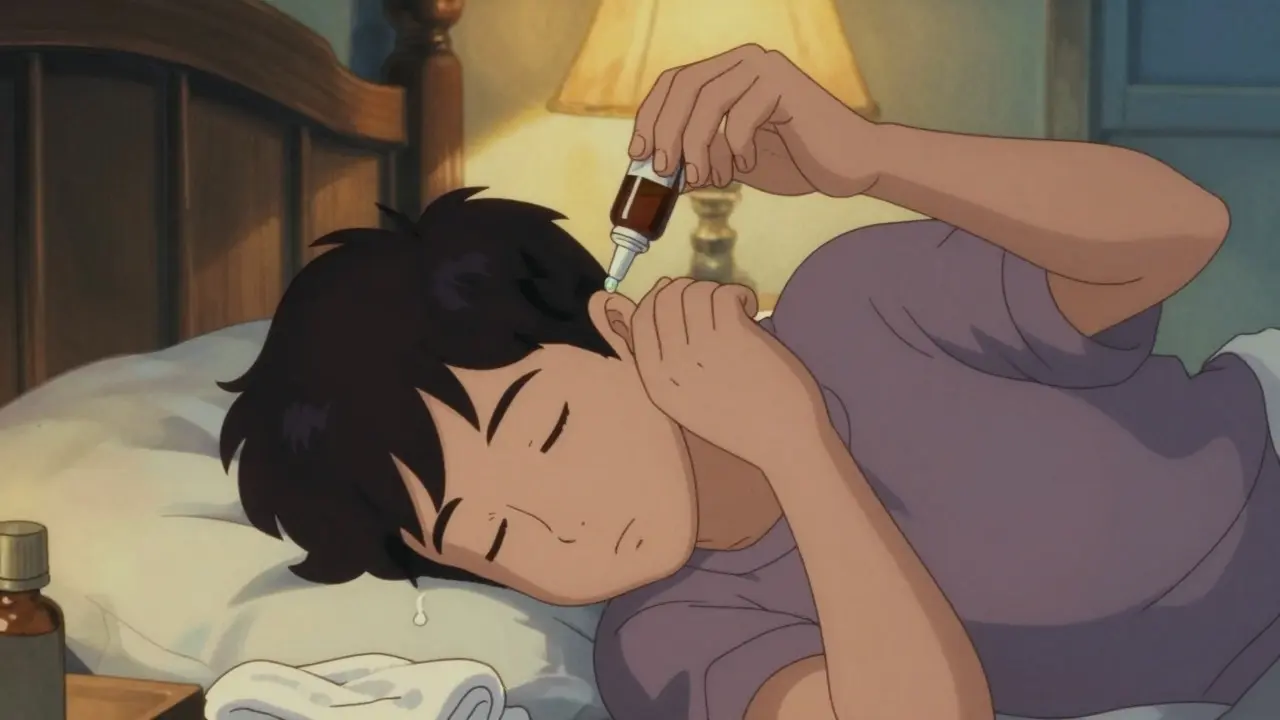
- Position Yourself: Lie on your side with the affected ear facing up. Tilt your head slightly back.
- Instill the Drops: Gently pull the top of your ear upward and backward (for adults) to straighten the canal. Place the prescribed number of drops directly into the opening.
- Wait: Stay in this position for 5 full minutes. This allows the fluid to penetrate deep into the canal.
- Drain: Sit up and let any excess drip out onto a tissue.
Do not use cotton swabs immediately after applying drops. You will wipe away the medication before it can work. If your ear canal is severely swollen and closed off, drops won't reach the infection. A doctor may need to insert a small sponge wick to keep the canal open and absorb discharge. While uncomfortable, this is necessary for 65% of severe cases to ensure the drug contacts the tissue.
Prevention and Long-Term Management
Swimmer's ear loves moisture. Breaking the cycle starts with keeping the ear dry. After swimming or showering, tilt your head to drain water, then gently pull the earlobe down and forward to stretch the canal. You can also use a hair dryer on the lowest heat setting, held a foot away, to evaporate residual moisture.
Stop using cotton swabs. They push wax deeper, creating plugs that trap water and scratch the delicate skin, inviting bacteria. Let your ears clean themselves naturally. If you are prone to recurrent infections, consider using acetic acid drops prophylactically after every swim session. Data shows this reduces recurrence risk by 65%.
Watch out for red flags. If pain persists beyond 7 days of proper treatment, if you develop a high fever, or if drainage turns bloody or foul-smelling, return to your provider. These signs indicate the initial diagnosis was wrong (perhaps it was fungal) or the infection has spread. Early intervention prevents chronic otitis externa, which can last over three months and require surgical intervention.
Frequently Asked Questions
Can I use hydrogen peroxide for swimmer's ear?
Yes, but cautiously. Hydrogen peroxide helps soften wax and has mild antiseptic properties. However, it can irritate inflamed skin. If your ear is very painful, stick to prescriptive drops or acetic acid solutions, which are gentler and more targeted against the specific bacteria involved.
How long does it take for ear drops to work?
Most patients report significant pain reduction within 24 to 48 hours. Full resolution typically takes 7 to 10 days. If there is no improvement after 3 days, the diagnosis might be incorrect (e.g., fungal instead of bacterial), or the ear canal needs professional debridement to allow the drops to penetrate.
Are oral antibiotics necessary for otitis externa?
Rarely. The American Academy of Otolaryngology recommends against systemic antibiotics for uncomplicated cases because they offer only 5-7% additional benefit over topical drops but increase side effects. Oral antibiotics are reserved for cases where the infection spreads to surrounding tissue (cellulitis) or in immunocompromised patients.
What is the difference between otitis externa and otitis media?
Otitis externa affects the outer ear canal (swimmer's ear), causing pain when pulling the earlobe. Otitis media affects the middle ear (behind the eardrum), often following a cold, causing pressure and hearing loss without external pain. Treatments differ significantly: otitis media often requires oral antibiotics, while otitis externa requires topical drops.
Is it safe to fly with swimmer's ear?
It depends on severity. If the eardrum is intact and pain is mild, flying is generally safe. However, pressure changes can exacerbate pain if the canal is blocked by swelling. Consult your doctor before traveling if you have severe pain or a history of eardrum perforation.