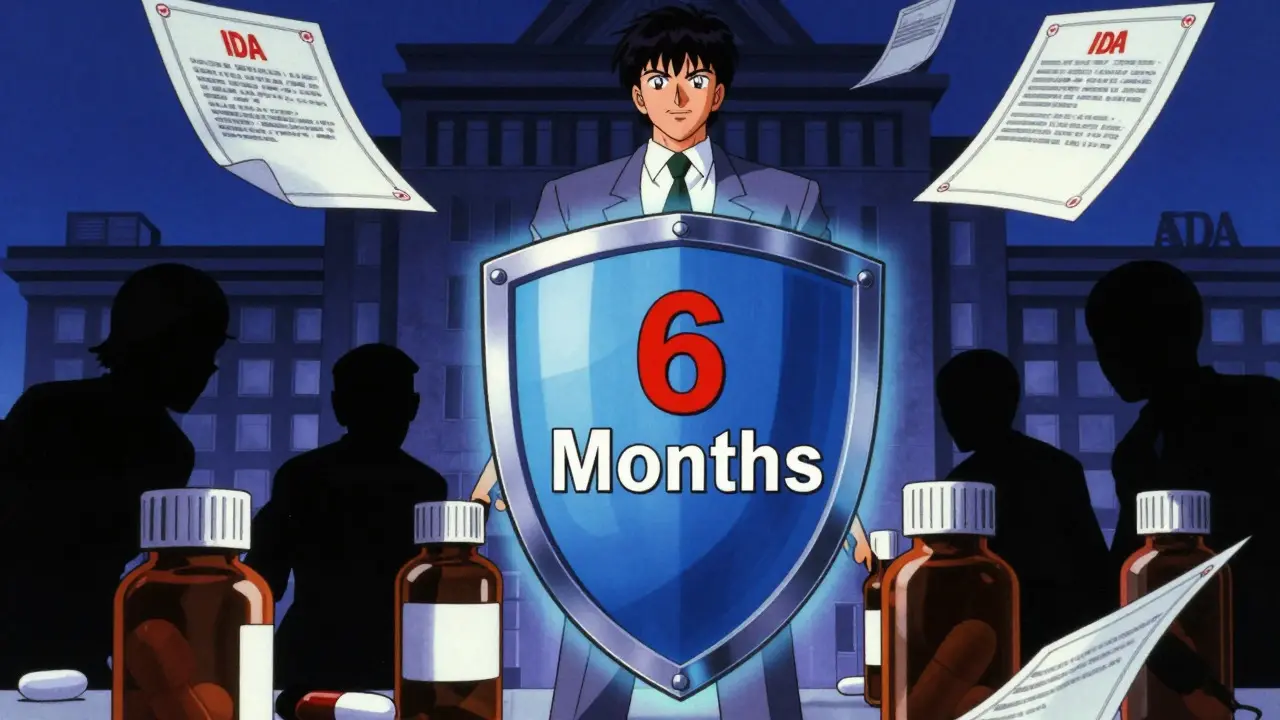
Imagine you’ve spent billions developing a life-saving drug. You finally get approval, but then the clock starts ticking toward generic competition. What if there was a way to buy yourself an extra six months of market protection? That is exactly what Pediatric Exclusivity is a regulatory mechanism that grants an additional six-months of marketing protection for drugs studied in children. It sounds simple on the surface, but it is one of the most misunderstood tools in pharmaceutical law. It does not extend your patent term in the traditional sense. Instead, it creates a regulatory wall that stops the Food and Drug Administration (FDA) from approving generic copies during that window. For brand-name manufacturers, those six months can mean hundreds of millions of dollars in revenue. For generic companies, it means waiting or finding a legal loophole. Let’s break down how this system works, why it exists, and how it fits into the broader timeline of drug patents.
What Is Pediatric Exclusivity?
To understand pediatric exclusivity, you first need to look at the problem it solves. For decades, many drugs approved for adults were never tested in children. Doctors often prescribed them "off-label" for kids because there was no other choice, but without data, safety risks were high. Parents and advocates pushed for change. The result was the Best Pharmaceuticals for Children Act (BCPA) is legislation enacted in 2002 to incentivize pediatric drug studies. This law created Section 505A of the Federal Food, Drug, and Cosmetic Act. It offers a deal: if a company conducts acceptable studies of their drug in children as requested by the FDA, they get six months of extended market exclusivity. This is different from a standard patent extension. A patent gives you the right to sue someone who makes your drug. Exclusivity gives the FDA the power to say, "We cannot approve anyone else’s version of this drug yet." Pediatric exclusivity attaches to existing protections, making them last longer.
How the Mechanism Works
The process is not automatic. It starts with a Written Request from the FDA. The agency identifies which drugs need more pediatric data and tells the manufacturer what studies are needed. The sponsor must "fairly respond" by conducting these studies and submitting the results. Once the FDA accepts the study reports, the clock starts. Here is the critical part: the six-month extension applies to all dosage forms and indications containing the same active moiety held by the sponsor at that time. If you have an oral pill, a topical cream, and eye drops all using the same chemical ingredient, and you complete the pediatric study for one, all three products get the six-month boost. However, there is a catch. The underlying patent or exclusivity must have at least nine months remaining when the pediatric exclusivity is granted. If your patent expires in eight months, you cannot use pediatric exclusivity to save it. This rule prevents companies from reviving dead patents solely through pediatric studies.
Pediatric Exclusivity vs. Patent Term Extension
This is where most people get confused. Let’s clear it up. Patent Term Extension (PTE) under the Hatch-Waxman Act actually adds time to the patent itself. If your patent expires in 2027, PTE might push it to 2028. During that year, no one can make the drug, period. Pediatric exclusivity does not change the patent expiration date. Instead, it extends the period during which the FDA cannot approve an Abbreviated New Drug Application (ANDA). Think of it as a regulatory hold. Even if the patent has expired, the FDA is blocked from giving final approval to a generic competitor during those six months. This distinction matters immensely for Paragraph IV certifications. In patent law, a Paragraph IV certification is a claim by a generic company that a patent is invalid or will not be infringed. If a patent expires, a generic company can usually launch immediately. But if pediatric exclusivity is in effect, the FDA still cannot approve the ANDA unless specific exceptions apply, such as a court ruling that the patent is invalid or a waiver from the brand holder.
| Feature | Patent Term Extension (PTE) | Pediatric Exclusivity |
|---|---|---|
| Duration | Up to 5 years | Fixed 6 months |
| Effect on Patent | Extends actual patent term | Does not change patent term |
| FDA Approval Block | Yes, via patent linkage | Yes, via regulatory exclusivity |
| Requirement | Compensation for testing delays | Completion of pediatric studies |
| Applies To | Specific patented claims | All products with same active moiety |
Strategic Value in Lifecycle Management
For pharmaceutical companies, pediatric exclusivity is a powerful tool for lifecycle management. Because it applies to all products with the same active moiety, it can protect blockbuster drugs even after their primary patents expire. Consider a scenario where a drug has multiple formulations. The core patent might expire, but if the company holds secondary patents on specific delivery methods or combinations, pediatric exclusivity can extend the protection for those as well. Legal experts often describe this as "ironclad" because it is difficult for generic competitors to bypass without a court order. The financial impact is significant. Six months of exclusive sales for a top-selling drug can generate hundreds of millions in revenue. This incentivizes companies to prioritize pediatric studies, even for drugs that were originally intended only for adults. It also helps fill the gap in pediatric labeling, providing doctors with safer dosing guidelines for children.
Limitations and Exceptions
Pediatric exclusivity is not a magic bullet. It has several important limitations:
- No Biologics: Pediatric exclusivity applies only to small-molecule drugs approved under the Hatch-Waxman framework. It does not apply to biologics regulated under the Biologics Price Competition and Innovation Act (BPCIA). Biosimilars operate under a different patent linkage system.
- Nine-Month Rule: As mentioned, the underlying exclusivity must have at least nine months left. If you miss this window, you cannot use pediatric exclusivity to revive the protection.
- Court Rulings Override: If a generic company wins a lawsuit proving the patent is invalid or unenforceable, the FDA can approve the ANDA despite the pediatric exclusivity. The exclusivity relies on the validity of the underlying patent.
- Waivers: The brand holder can choose to waive the pediatric exclusivity. This sometimes happens in settlement agreements with generic companies.
Impact on Generic Manufacturers
For generic drug makers, pediatric exclusivity is a hurdle. It delays market entry and reduces potential profits. However, it is not insurmountable. Generic companies can pursue several strategies:
- Paragraph IV Litigation: Challenge the validity of the patent in court. If they win, the FDA can approve the generic drug immediately.
- Seek Waivers: Negotiate with the brand holder for a waiver of the exclusivity. This often involves paying royalties or settling out of court.
- Wait It Out: File the ANDA early and wait for the six-month period to expire. This requires careful timing to ensure approval is ready exactly when the exclusivity ends.
Why This Matters for Patients
Beyond the corporate strategy, pediatric exclusivity serves a public health purpose. Before laws like the BCPA, many children were treated with adult doses of medication, leading to adverse effects. By requiring pediatric studies, the FDA ensures that drugs are safe and effective for younger patients. The trade-off is higher drug prices due to delayed generic competition. Policymakers argue that the benefit of safer pediatric treatments outweighs the cost of delayed generics. Critics, however, point out that some studies are done merely to secure the six-month extension, rather than out of genuine medical necessity. Understanding pediatric exclusivity helps clarify why some drugs stay off-patent longer than expected. It is not just about patents; it is about regulatory exclusivities that work together to shape the pharmaceutical landscape.
Does pediatric exclusivity extend the patent term?
No. Pediatric exclusivity does not change the expiration date of the patent itself. Instead, it extends the period during which the FDA cannot approve generic applications (ANDAs) based on that patent. It acts as a regulatory barrier rather than a patent term extension.
How long does pediatric exclusivity last?
Pediatric exclusivity lasts for exactly six months. This period is added to the end of any existing patent or non-patent marketing exclusivity that has at least nine months remaining at the time of grant.
Does pediatric exclusivity apply to biologics?
No. Pediatric exclusivity under Section 505A applies only to small-molecule drugs approved under the Hatch-Waxman Amendments. Biologics are regulated under the BPCIA, which has a different framework for exclusivity and patent linkage.
Can generic companies bypass pediatric exclusivity?
Yes, but only under specific conditions. A generic company can bypass pediatric exclusivity if they win a court ruling that the underlying patent is invalid or unenforceable, or if they obtain a waiver from the brand-name holder. Otherwise, the FDA cannot approve the generic application during the six-month window.
What triggers the granting of pediatric exclusivity?
Pediatric exclusivity is triggered when a drug manufacturer completes and submits acceptable pediatric studies as specified in a Written Request from the FDA. The FDA reviews the studies within 180 days, and if accepted, the six-month exclusivity is granted to all products with the same active moiety.