
Your Ultimate Guide to Drug Buyers Guide Forum - Insights & Discussions
Dec 25 2023 - Health and Wellness
When your doctor prescribes a medicine, but your insurance says prior authorization, a requirement by health insurers that doctors prove a treatment is medically necessary before coverage is approved. Also known as pre-authorization, it's a step that can hold up your prescription for days—or weeks—despite your doctor saying it’s urgent. This isn’t about saving money for you. It’s about saving money for the insurance company, and you’re the one stuck in the middle.
Prior authorization isn’t just for expensive drugs. It shows up for medication access, the ability to get prescribed treatments without unnecessary delays or denials when you need generic alternatives blocked, when you’re switching from one drug to another, or even when you’re on a common medication that’s been flagged as "not first-line." It’s also common for pharmacy claims, requests submitted by pharmacies to insurers for payment of dispensed medications involving specialty drugs, cancer meds, or even basic pain relievers if they’re not on the insurer’s preferred list. The system doesn’t care if you’ve been taking the same drug for five years. If the insurer changed their formulary last month, you’re back to square one.
And it’s not just patients who suffer. Doctors spend hours on phone trees, filling out forms, and arguing with call center reps who have zero medical training. Pharmacies delay pickups because they’re waiting for an approval code that never comes. Patients skip doses, stop treatments, or pay out-of-pocket because they’re tired of the fight. That’s the real cost of prior authorization—not the dollar amount on the claim, but the damage to your health when care is delayed.
The posts in this collection don’t just talk about drugs. They show you how the system works behind the scenes. You’ll find guides on handling insurance rules around generic substitution, what to do when your osteoporosis meds get denied, how to push back when your bipolar meds are flagged, and why your pharmacist might refuse to fill your prescription even though your doctor signed off. These aren’t theoretical problems. These are real stories from people who’ve been stuck in the prior authorization maze.
There’s no magic trick to beat the system, but there are tactics. Know your rights. Know your meds. Know when to escalate. And know that you’re not alone. The information here isn’t about complaining—it’s about equipping you with the facts to move faster, argue smarter, and get what you need before your health gets worse.
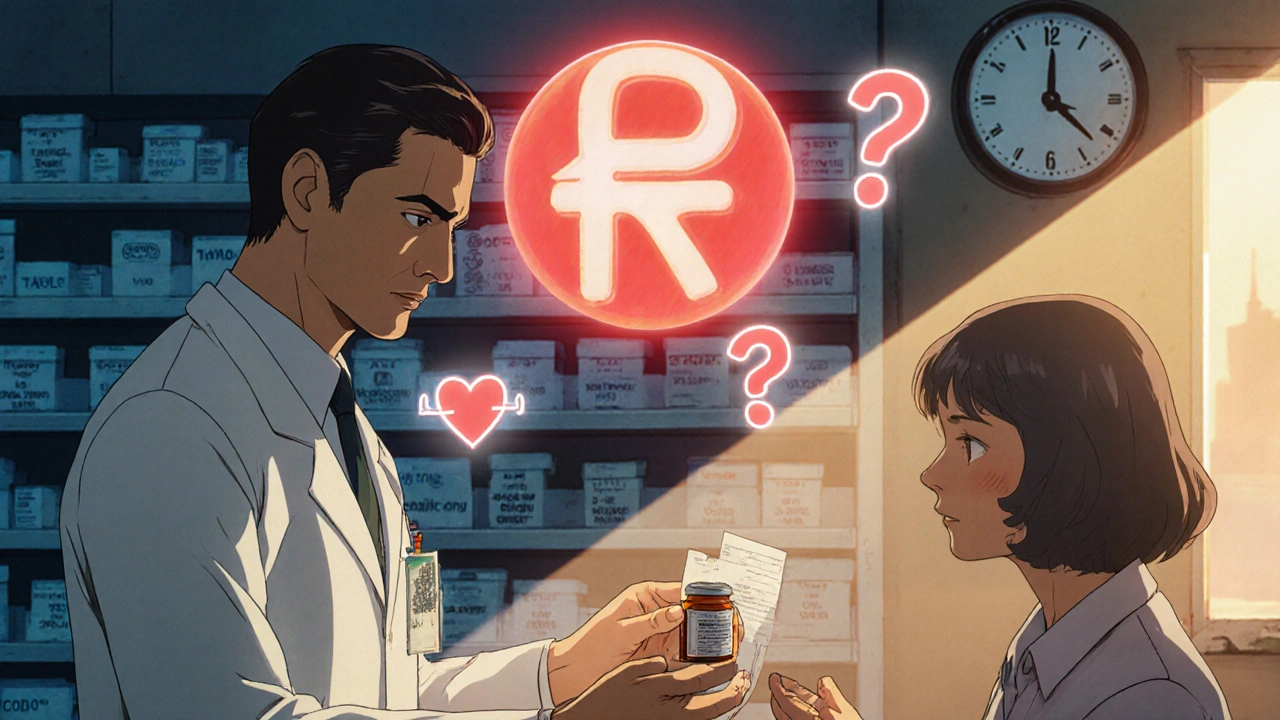
Insurers push generic drug substitution to cut costs, but providers face administrative burdens and clinical risks. Learn how doctors are fighting back with documentation, tech, and state laws to protect patient care.
read more
© 2026. All rights reserved.