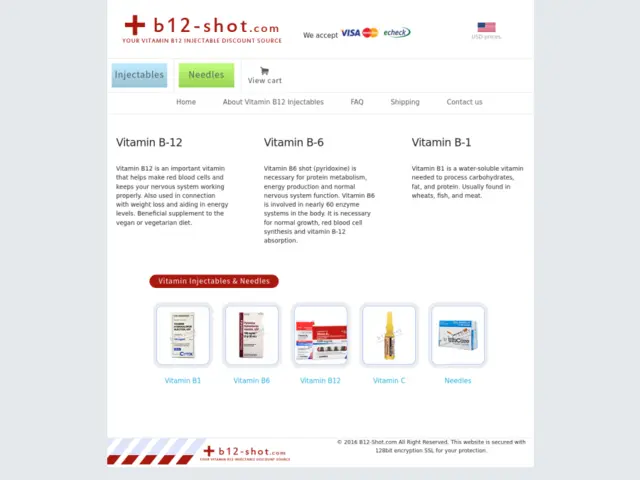
In-Depth Review of B12-Shot.com: Elevate Your Health with Vitamin B-12 Injections
Dec 6 2023 - Supplement Reviews
When your pharmacist hands you a different pill than what your doctor wrote on the prescription, that’s pharmacy substitution, the practice of swapping a brand-name drug for a chemically identical generic version. Also known as generic drug substitution, it’s not a mistake—it’s standard procedure in most U.S. pharmacies, driven by cost-cutting rules from insurers and state laws. But just because the active ingredient is the same doesn’t mean the experience is. Some patients notice differences in side effects, how fast the drug kicks in, or even how their body reacts. That’s not in your head. It’s real.
Behind every substitution is insurer pressure, the force pushing pharmacies to choose cheaper options to reduce overall drug spending. This isn’t just about saving money—it’s about formulary tiers, step therapy rules, and prior authorization hurdles that doctors and patients didn’t ask for. Providers are caught in the middle: they want to give you the best care, but insurers often block prescriptions unless you try the generic first. And sometimes, the generic isn’t just a cheaper version—it’s a different manufacturer’s version, with different fillers or coatings that change how your body absorbs the medicine. That’s why drug alternatives, including brand-name drugs, different generic brands, or even non-drug treatments, become critical conversations with your doctor. For people on narrow-therapeutic-index drugs like warfarin, lithium, or thyroid meds, even tiny differences in absorption can lead to serious problems. And for those managing chronic pain, mental health, or autoimmune conditions, consistency matters more than you might think.
What you’ll find in this collection are real stories and clear breakdowns of how pharmacy substitution plays out in practice. From how insurers force substitutions that delay care, to how patients fight back with documentation and state laws, to the hidden risks of switching generic brands mid-treatment—these posts don’t just explain the system. They show you how to navigate it safely. You’ll learn about the science behind why some people react differently to generics, how to spot when a substitution might be risky, and what rights you actually have when your pharmacy tries to swap your meds. This isn’t about opposing generics—it’s about making sure substitution doesn’t become a gamble with your health.
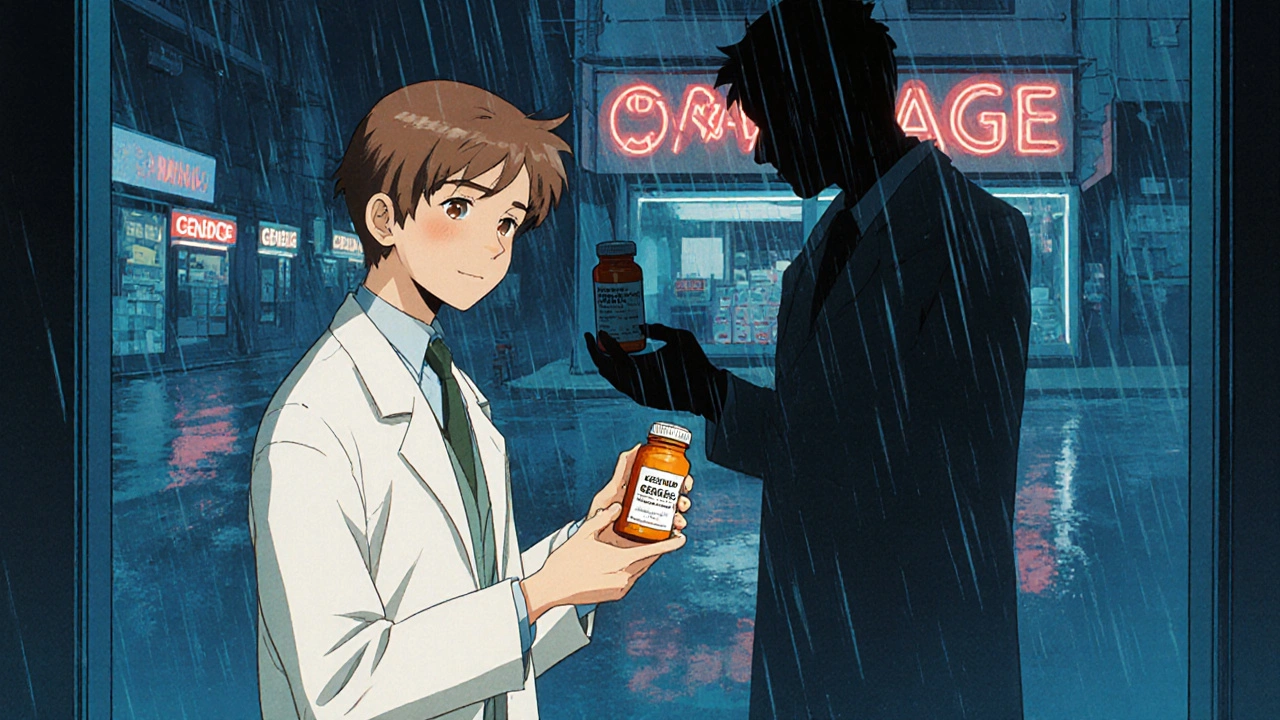
Learn how to navigate insurance rules around generic drug substitution, when to insist on brand-name medications, and how to protect your health when cost-saving policies may affect your treatment.
read more
© 2026. All rights reserved.