
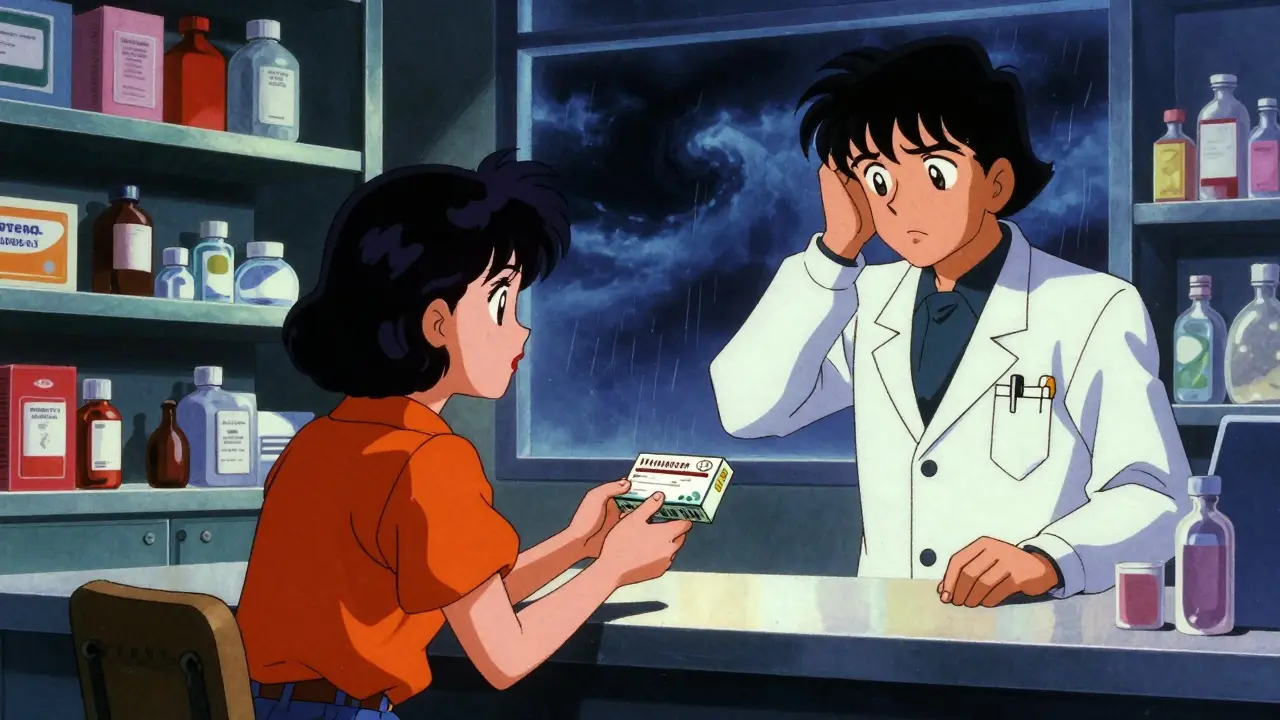
Imagine you are at the pharmacy, waiting for your insulin or a critical cancer treatment, only to be told it is out of stock. The reason isn't just high demand or manufacturing errors; it might be a hurricane hitting a factory on the other side of the country. This is no longer a hypothetical scenario. It is happening right now. Between 2017 and 2024, climate-related disruptions accounted for 32% of all pharmaceutical supply chain interruptions. As extreme weather events become more frequent and severe, our ability to get life-saving medications is under direct threat.
We often think of drug shortages as an economic issue-companies choosing not to make cheap generic drugs because they don't make enough profit. While that is true, there is a second, silent crisis unfolding: physical disruption. When a storm hits, it doesn't just break windows; it breaks the complex, fragile web of factories, labs, and transport routes that keep medicine moving. If you rely on prescription medication, understanding this link between climate chaos and your pill bottle is essential for your health and safety.
The Fragile Web of Pharmaceutical Manufacturing
To understand why a storm in North Carolina affects patients in New York, we need to look at how drugs are made. The pharmaceutical industry relies heavily on a "just-in-time" model. This means companies keep very little inventory on hand to save money. They produce what is needed, when it is needed. This works perfectly until something goes wrong. There is no buffer. There is no extra stock sitting in a warehouse waiting for a spike in demand or a broken machine.
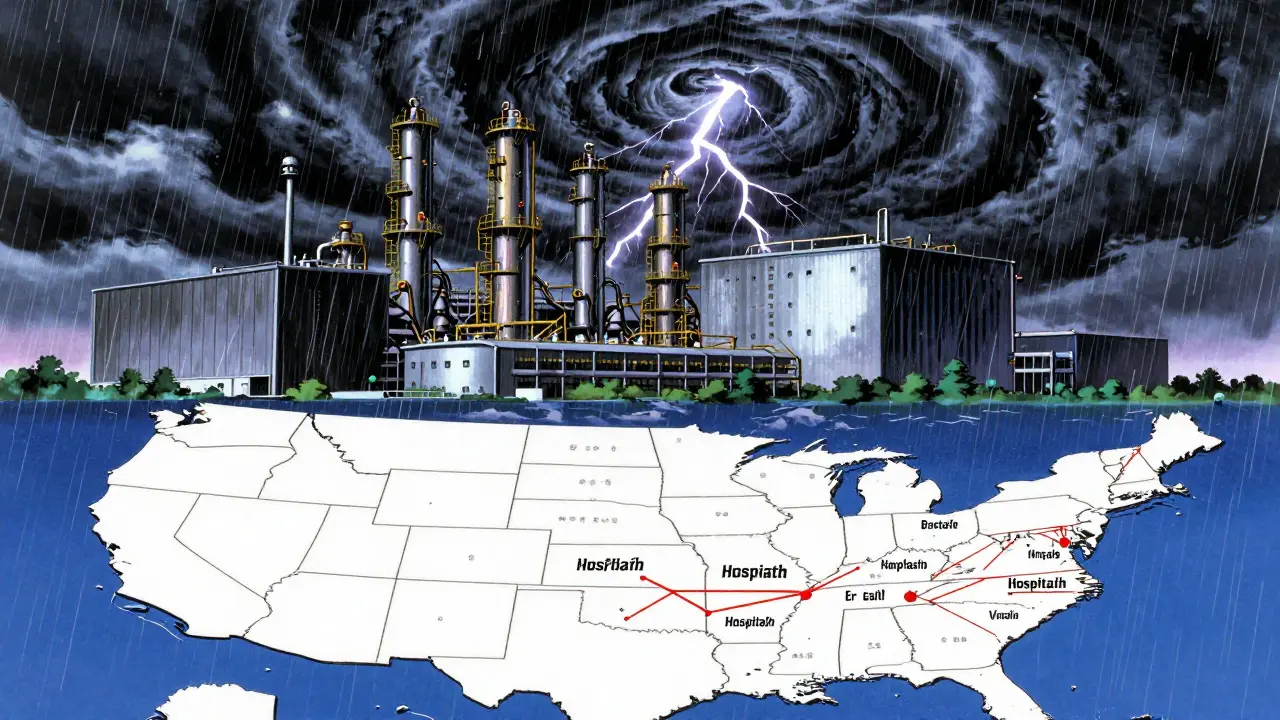
More dangerously, production is highly concentrated. We do not have hundreds of small factories spread evenly across the map. Instead, we have a few massive hubs producing specific types of drugs. Take Puerto Rico, for example. Before Hurricane Maria hit in 2017, this island housed facilities producing 10% of all FDA-approved drugs and 40% of sterile injectables in the United States. That includes a huge chunk of the nation's insulin supply. When the storm destroyed the electrical grid, it didn't just stop lights from turning on; it stopped insulin from being made for 18 months.
This concentration creates single points of failure. If one hub goes down, the whole system shudders. According to data from the American Society of Health-System Pharmacists (ASHP), 78% of sterile injectable drugs have only one or two manufacturing facilities in the entire U.S.. Think about that. For many critical medicines, if one factory burns down or floods, there is almost nowhere else to turn immediately. This lack of redundancy is the core of the problem.
Case Studies: When Weather Stops Medicine
Recent history gives us clear examples of how quickly these shortages happen and how long they last. Let's look at Hurricane Helene, which made landfall in September 2024. The storm damaged a key manufacturing plant owned by Baxter International in North Cove, North Carolina. This facility was responsible for producing 1.5 million bags of intravenous (IV) fluids daily, representing about 60% of the U.S. supply.
Within 72 hours of the storm, hospitals nationwide started running low on IV fluids. Doctors were forced to postpone elective surgeries. Cancer patients had their treatments delayed. The FDA projected that these supply constraints would last until mid-2025. Why so long? Because building a new pharmaceutical facility takes 6 to 12 months, and getting specialized medical-grade equipment can take 2 to 3 years. You cannot simply order more IV bags from Amazon.
Hurricane Maria in 2017 offers another stark lesson. It affected 46 FDA-regulated facilities in Puerto Rico. The shortage of saline solution lasted 14 months. Hospitals had to ration supplies, prioritizing critical patients while delaying non-essential treatments. These aren't minor inconveniences; they are life-threatening gaps in care. The pattern is consistent: hurricanes cause broad, long-lasting disruptions (6-18 months) due to infrastructure damage, while tornadoes or floods tend to create shorter but severe shortages of specific products from single facilities.
| Event | Date | Key Impact | Shortage Duration |
|---|---|---|---|
| Hurricane Maria | Sept 2017 | Destroyed power grid in PR; halted insulin & injectable production | 14-18 months |
| Hurricane Helene | Sept 2024 | Damaged Baxter IV fluid plant in NC; cut 60% of US IV supply | Projected until mid-2025 |
| Pfizer Tornado | Dec 2023 | Shut down Rocky Mount, NC facility; affected 27 medicines | Until mid-2024 |
| Michigan Flooding | June 2022 | Hit Abbott Nutrition during infant formula shortage | Extended scarcity by 8 weeks |
Who Is Most at Risk?
Not everyone feels the impact of a drug shortage equally. Patients with chronic conditions who require daily, precise dosing are the most vulnerable. Diabetics needing insulin, cancer patients requiring specific chemotherapy agents, and those needing sterile injectables for infections face the highest stakes.
Dr. Ana Maria Lopez from the American Cancer Society noted in a 2024 JAMA study that "drug shortages following weather disasters demonstrate how the pharmaceutical supply chain is not yet resilient." Older generic drugs, which are often produced by fewer manufacturers due to lower profit margins, are particularly susceptible. When a disaster hits, these older generics are the first to disappear and the last to return because there is less financial incentive for other companies to rush into production.
Furthermore, smaller hospitals suffer more than large ones. A survey by the American Hospital Association found that hospitals with over 500 beds are 3.2 times more likely to implement supply chain mapping tools than smaller facilities. Large systems like Mayo Clinic can use AI to predict disruptions and stock up early. Smaller community clinics often find out about a shortage only when their shelves are empty, leaving them with fewer options to help their patients.
What Is Being Done to Fix This?
The good news is that awareness is growing fast. The market for pharmaceutical supply chain resilience is expected to grow from $4.2 billion in 2024 to $9.7 billion by 2029. Companies and regulators are finally waking up to the climate risk.
Here are three key strategies currently being implemented:
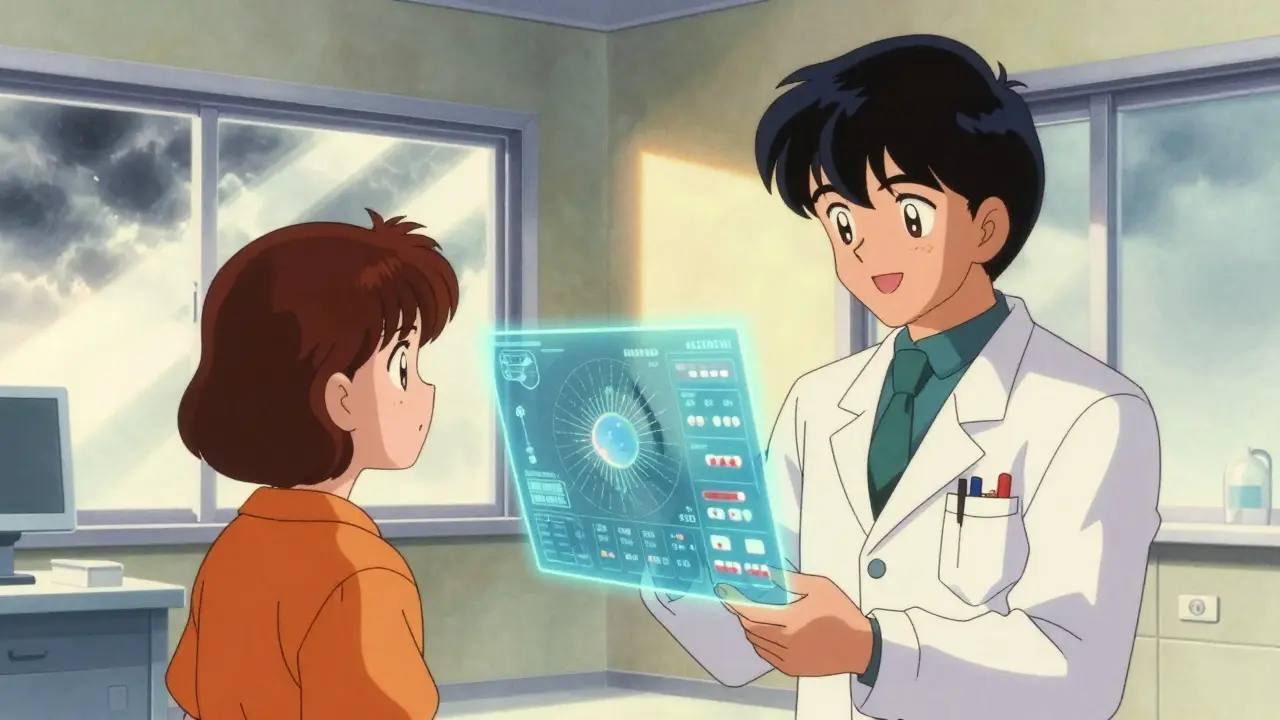
- Data-Driven Forecasting: Companies are using AI to analyze weather patterns. For example, Sensos.io predicted Hurricane Helene's impact on IV fluid supply 14 days in advance. This allowed some prepared hospitals to secure 30-day emergency stocks before the storm hit.
- Strategic Stockpiling: The Strategic National Stockpile has launched pilot programs to store critical injectables in hurricane-prone regions. During Hurricane Helene, this reduced shortage duration by 40% compared to Hurricane Maria.
- Regulatory Changes: The FDA is proposing a new rule for 2025 that requires manufacturers of critical drugs to maintain 90-day emergency inventories. They must also submit climate risk mitigation plans. While this will increase production costs by 4-7%, it could prevent 60% of climate-related shortages.
However, challenges remain. Extending drug expiration dates-a common tactic during shortages-requires 12-24 hours of pharmacy staff time per product. During a disaster, pharmacists are already overwhelmed. Plus, fully mapping a supply chain takes 6-9 months for most health systems. We are making progress, but we are still playing catch-up.
What Can You Do Right Now?
You cannot control the weather, but you can control your preparation. Here is a practical checklist to protect yourself and your family:
- Talk to Your Doctor: Ask if your medications are prone to shortages. If they are, discuss alternatives. Are there generic versions made by different companies? Is there a similar drug in a different class that works for you?
- Build a Personal Buffer: If your doctor agrees, try to keep a 2-week to 1-month supply of critical medications at home. Don't wait until you have only three days left to refill.
- Know Your Pharmacy's Plan: Call your local pharmacy and ask how they handle shortages. Do they check multiple warehouses? Do they have relationships with compounding pharmacies that can step in if mass-produced drugs run out?
- Monitor Alerts: Sign up for alerts from the FDA's Drug Shortages database. Knowing a shortage is coming allows you to act early rather than scrambling later.
Climate change is not just an environmental issue; it is a public health emergency. By understanding the risks and taking proactive steps, you can ensure that when the next storm hits, your health doesn't have to be collateral damage.
Why are natural disasters causing more drug shortages now than in the past?
The frequency and intensity of extreme weather events have increased due to climate change. Additionally, the pharmaceutical industry has moved toward a "just-in-time" manufacturing model with highly concentrated production hubs. This means there is less backup inventory and fewer alternative factories to rely on when a disaster strikes a primary site.
Which medications are most likely to be affected by climate-related disruptions?
Sterile injectables, insulin, and older generic drugs are most at risk. These categories often have only one or two manufacturing facilities in the U.S. For example, Hurricane Helene disrupted 60% of the U.S. IV fluid supply because it came from a single region in North Carolina.
How long does it typically take to resolve a drug shortage caused by a natural disaster?
It varies by disaster type. Hurricanes can cause disruptions lasting 6 to 18 months due to widespread infrastructure damage. Tornadoes or localized floods may cause shortages of 3 to 9 months. Restoring full capacity often takes longer because building new facilities or procuring specialized equipment can take up to 3 years.
Is the government doing anything to prevent these shortages?
Yes. The FDA is proposing rules requiring manufacturers of critical drugs to keep 90-day emergency inventories and submit climate risk plans. The Strategic National Stockpile is also piloting programs to store critical meds in disaster-prone areas. However, experts argue that more aggressive diversification of manufacturing sites is needed.
Can I switch to a different pharmacy to avoid shortages?
Sometimes, but not always. Shortages are often national or regional, meaning all pharmacies in an area may be affected. However, larger hospital systems or specialty pharmacies may have better access to alternative suppliers or compounding options. It is worth asking your pharmacist if other locations have stock, but having a backup plan with your doctor is more reliable.


Anna Bartle - 5 July 2026
It is absolutely crucial that we all read this carefully because the supply chain issues are real and they are getting worse!! We need to start talking to our doctors today about having backup plans for our medications!!! It is not just a theoretical problem anymore it is happening right now in our communities!!!
Divya Prakash - 7 July 2026
The article presents a rather pedestrian overview of what any reasonably educated individual with a passing interest in macroeconomics or logistics would already know, which is that the pharmaceutical industry’s reliance on a just-in-time inventory model is fundamentally flawed when subjected to exogenous shocks such as climate-induced natural disasters.
One must consider that the concentration of manufacturing hubs in geographically vulnerable areas like Puerto Rico and North Carolina is not merely an accident of geography but a deliberate cost-cutting measure by corporations that prioritize shareholder value over systemic resilience. The fact that 78% of sterile injectable drugs have only one or two manufacturing facilities in the entire United States is a testament to the sheer negligence of regulatory bodies who have allowed this monopolistic consolidation to occur without demanding adequate redundancy.
Furthermore, the suggestion that individuals should simply 'build a personal buffer' is a simplistic solution that ignores the structural inequities inherent in healthcare access; not everyone has the financial means or storage capacity to maintain a month’s supply of temperature-sensitive biologics. The real issue here is the lack of geopolitical diversification in sourcing active pharmaceutical ingredients, many of which come from regions with their own political and environmental instabilities. Until we see a radical restructuring of global supply chains that prioritizes robustness over efficiency, we will continue to witness these preventable shortages that disproportionately affect the most vulnerable populations in society.
Mohit Patil - 7 July 2026
you think its just weather?? wake up people this is part of the plan they want to control us through medicine shortages so we cant leave our homes and have to rely on them for everything the big pharma companies are working with the government to create these shortages on purpose look at the timing of hurricane helene and the stock prices of baxter international right after the storm went up huge coincidence i dont think so they are testing how much suffering we can take before we break
Chris Munton - 8 July 2026
The moral failure here is staggering and it requires a deep analytical dissection of the ethical voids within modern corporate governance structures that prioritize profit margins above human life and safety.
We are witnessing a systematic abandonment of the social contract where corporations are allowed to externalize the risks of climate change onto the public while internalizing the profits from streamlined, fragile supply chains. This is not just an operational error; it is a profound ethical breach that demands immediate accountability from both the manufacturers and the regulators who enable this negligence. The data showing that smaller hospitals suffer disproportionately highlights a deeper societal inequality where resources are hoarded by large systems while community clinics are left to fend for themselves in times of crisis. We must demand more than just incremental changes like strategic stockpiling; we need a complete overhaul of the incentive structures that reward fragility and punish resilience. The current approach is morally bankrupt and reflects a society that has lost its way in terms of valuing human health over economic efficiency.
jeremy pritchett - 8 July 2026
man this is crazy stuff right here but we gotta keep moving forward and stay positive because if we let fear win then they win you know what i mean we need to be the change we wanna see in the world and that starts with taking care of ourselves and our neighbors lets get out there and help each other out cause thats what real freedom looks like no cap
rob van oudernallern - 9 July 2026
i totally agree with the idea of keeping extra meds at home but my pharmacy always says they cant do that because of insurance rules so im kinda stuck in the middle of it all and hoping for the best i guess lol
Mary Howarth - 10 July 2026
I am so glad that this topic is being discussed openly because it gives us all the power to take charge of our own health journeys!! We have the ability to make a difference by simply asking questions and preparing ahead of time!! Let us support each other and share information so that no one feels alone during these challenging times!! Together we can build a stronger community that is ready for anything that comes our way!!
Gavin Edley - 12 July 2026
Oh please spare me the doom and gloom narrative because I am sure that everything will be fine in the end and those who complain are just looking for attention.
I personally do not worry about drug shortages because I trust that the system will work itself out as it always does, and frankly, I find it tedious to hear about every little inconvenience as if it were the end of the world. Perhaps if people spent less time worrying about hypothetical scenarios and more time enjoying their lives, we would all be happier. But no, we must constantly be reminded of our vulnerability to feel important, which is quite the drama queen move if you ask me.
Kimberly Simbulan - 13 July 2026
Wow, talk about a party pooper! Maybe if you weren't so busy judging everyone else's concerns, you'd realize that preparation isn't about fear, it's about peace of mind. But sure, keep telling yourself that ignoring reality makes it go away. Classic.
Alana Frassinelli - 14 July 2026
i really feel for the people who rely on insulin or cancer treatments because the stress of not knowing if you will get your medication is incredibly heavy and it adds another layer of anxiety to an already difficult situation.
it makes sense why the author suggests talking to doctors early because having a plan can give you some control back in a situation that feels completely out of your hands. i wish more people understood how scary this is for patients who depend on daily meds to survive. it is not just an inconvenience it is a matter of life and death for many families out there.
Katie Dixon - 14 July 2026
This is exactly why we need to bring manufacturing back to America and stop relying on foreign entities that might cut us off or fail us when disaster strikes. Our national security is compromised when our medicine supply is held hostage by global supply chains that are too complex and too fragile. We need self-sufficiency and strong domestic production hubs that are protected and prioritized by our government. This is a patriotic issue and we should all be concerned about protecting our way of life and our health from external threats.