

Every year, over a million people in the U.S. end up in the emergency room because of problems with their medications. Many of these cases aren’t caused by mistakes - they’re caused by medication risks that could have been lowered with simple, everyday changes. You don’t need to stop your pills. You don’t need to buy expensive supplements. You just need to adjust how you live.
Why Lifestyle Changes Work Better Than You Think
Medications are powerful. But they don’t fix the root problem. They manage symptoms. If you’re on blood pressure pills, your heart is still working too hard. If you’re on diabetes meds, your body still struggles to use sugar properly. Lifestyle changes don’t just help - they reverse the conditions that made you need the meds in the first place. A 2023 study in JAMA Internal Medicine looked at 3.4 million people and found that people who made consistent lifestyle changes reduced their need for medication by 25% to 50% for conditions like high blood pressure, high cholesterol, and Type 2 diabetes. That’s not a small win. That’s enough to avoid side effects, lower costs, and even cut the number of pills you take every day. The key? These changes don’t replace your meds. They work with them. Harvard Medical School’s Rob Shmerling, MD, says it clearly: medications should be in addition to lifestyle changes, not instead of them. Many people stop walking or eating well once they start taking a pill. That’s when things go wrong.Lower Blood Pressure Without Adding More Pills
If you’re on antihypertensive medication, you might not know that cutting salt can lower your blood pressure as much as a pill. The New England Journal of Medicine found that reducing sodium from 3,500 mg to 1,500 mg daily - about the amount in one fast-food meal - can drop systolic pressure by 11 points and diastolic by 5 points. That’s the same effect as a single medication. Pair that with 30 minutes of brisk walking three times a week, and you’re doing more than just lowering numbers. You’re making your heart stronger. Your heart doesn’t have to pump as hard when your arteries are clear and your muscles are conditioned. One person in Perth, who goes by ‘HypertensionWarrior’ on Reddit, dropped from 150/95 to 125/80 in six months just by walking daily and cutting salt. His doctor took him off one pill. The DASH diet (Dietary Approaches to Stop Hypertension) is proven to work. It’s not a fad. It’s about eating more vegetables, fruits, whole grains, and lean proteins while cutting processed foods, sugary drinks, and salty snacks. You don’t need to go vegan. Just eat more real food and less packaged stuff.Manage Type 2 Diabetes by Changing What’s on Your Plate
People with Type 2 diabetes are twice as likely to die from heart disease. That’s not because of the sugar - it’s because high blood sugar damages blood vessels over time. Medications help control glucose, but they don’t heal the damage. Losing just 5% to 7% of your body weight through diet and movement can cut your need for diabetes meds by up to 60% if you’re prediabetic, and by 40% if you already have the condition. That’s not about starving yourself. It’s about swapping white bread for whole grain, soda for water, and fried chicken for grilled fish. A 2024 presentation at UC Davis Wellness Academy showed that people who followed a structured eating plan saw blood sugar levels drop as much as those on metformin. And unlike pills, these changes also lower cholesterol, reduce inflammation, and improve energy. One person on Reddit, ‘DiabetesJourney,’ admitted the hardest part wasn’t the food - it was the loneliness. Avoiding birthday cakes, family dinners with pasta, or weekend brunches felt isolating. The fix? Find one other person doing the same thing. Join a local walking group. Cook meals with a friend. Make it social.Sleep Isn’t Optional - It’s Medicine
You can eat clean and walk every day, but if you’re sleeping less than seven hours a night, your body is still under stress. Chronic sleep loss raises cortisol, spikes insulin resistance, and increases blood pressure. It’s a silent killer. Studies show people who sleep fewer than six hours nightly are 20% more likely to develop Type 2 diabetes and 48% more likely to develop high blood pressure. That’s not a coincidence. Your body repairs itself while you sleep. Without enough rest, your organs stay in fight-or-flight mode - which makes medications less effective. Start simple: turn off screens 60 minutes before bed. Keep your room cool and dark. Go to bed and wake up at the same time every day - even on weekends. You don’t need fancy gadgets. Just consistency.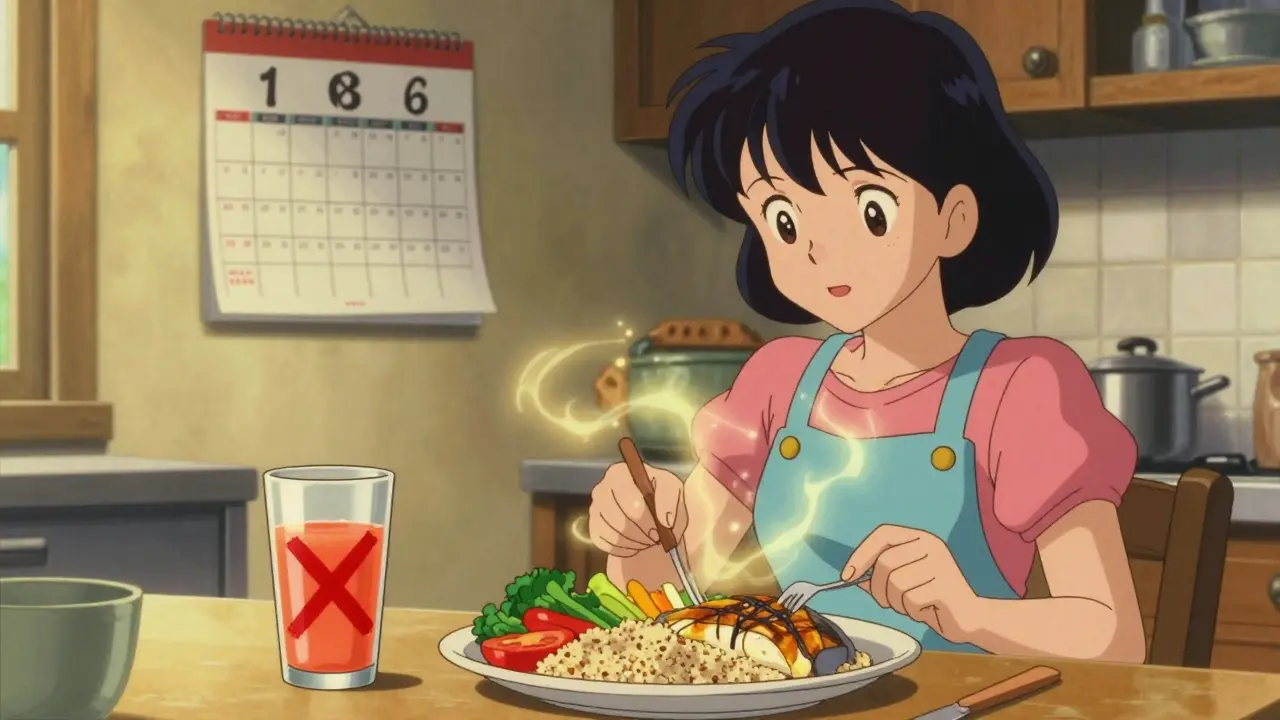
Stop Smoking, Cut Alcohol, Manage Stress
Smoking narrows your arteries, raises blood pressure, and makes your blood more likely to clot. If you’re on a statin or blood thinner, smoking cuts the effectiveness of those drugs. Quitting doesn’t just help your heart - it helps your meds work better. Alcohol is tricky. One drink a day for women, two for men, might be okay. But more than that? It interferes with liver function, which is how your body breaks down most medications. It can also raise blood pressure and blood sugar. If you’re on warfarin, even a few drinks can be dangerous. Stress is another hidden risk. Chronic stress keeps your body in overdrive. Yoga, deep breathing, or even 10 minutes of quiet time each day can lower cortisol and improve heart health. A 2023 study from Michigan State University showed that people who practiced mindfulness alongside their meds had better blood pressure control than those who only took pills.Watch Out for Food-Drug Interactions
Not all healthy foods are safe with every medication. Grapefruit, for example, interferes with 85% of statins - the drugs used to lower cholesterol. Eating just half a grapefruit can cause dangerous buildup of the drug in your system. Dark leafy greens like spinach and kale are full of vitamin K, which can make blood thinners like warfarin less effective. That doesn’t mean you can’t eat them. Just eat them consistently. If you normally eat a salad every day, keep doing it. If you suddenly start eating a huge spinach smoothie every morning, your INR levels can swing dangerously. Dairy products like milk and yogurt can block absorption of certain antibiotics like tetracycline and ciprofloxacin. Take those pills one hour before or two hours after eating dairy. Always talk to your pharmacist. They’re not just the person who hands you the bottle. They’re trained to spot these hidden risks. Ask: “Are there any foods I should avoid with this medicine?”When and How to Talk to Your Doctor
Never stop or change your meds on your own. That’s how people end up in the hospital. But you can ask: “Can we review my medications in three months? I’ve been walking, eating better, and sleeping more. Is there a chance we can lower a dose?” Doctors want you to get healthier. But they need data. Keep a simple log: what you ate, how much you walked, how many hours you slept, and your blood pressure or glucose readings if you track them. Bring it to your next appointment. Some clinics now offer lifestyle medicine programs - certified by the American College of Lifestyle Medicine. These aren’t vague “eat better” advice. They’re structured, science-backed plans with weekly check-ins. Medicare Advantage plans now cover some of these programs. Ask your provider if one is available.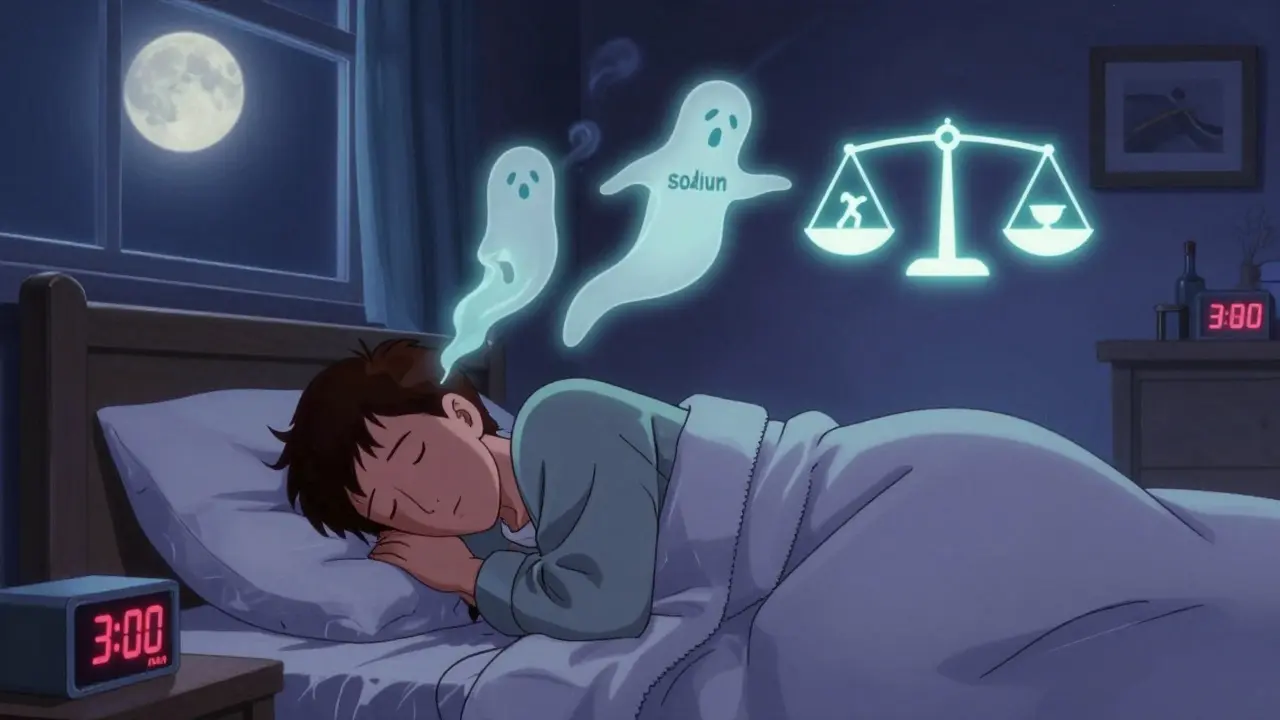
What to Expect - And What to Avoid
Lifestyle changes don’t work overnight. You won’t see results in a week. It takes 3 to 6 months for your body to adapt. That’s why so many people give up. They expect the same speed as a pill. Don’t compare yourself to someone who lost 30 pounds in two months. Focus on consistency. Did you walk three times this week? Did you skip the soda? Did you sleep seven hours last night? That’s progress. Avoid quick fixes: detox teas, miracle supplements, or extreme diets. They don’t last. They don’t fix anything. Real change is slow, steady, and built into your daily life.Real Results, Real People
A 2023 survey by the American Heart Association found that 68% of people with chronic conditions said their quality of life improved after adding lifestyle changes to their meds. They had more energy. Fewer headaches. Better sleep. Less anxiety. One woman in her 60s in Perth cut her blood pressure meds from three pills to one after six months of daily walking, reducing salt, and sleeping better. She didn’t feel like she was losing anything. She felt like she was gaining control. Another man reduced his diabetes dose by 40% after switching from white rice to quinoa, walking after dinner, and cutting out late-night snacks. He told his doctor: “I didn’t know I could feel this good without more pills.” These aren’t outliers. They’re people who made small, smart choices - and stuck with them.The Bigger Picture
The cost of medications in the U.S. is over $1.3 trillion a year. That’s 17.7% of all healthcare spending. Lifestyle changes aren’t just good for your body - they’re good for the system. Employers who offer wellness programs see an 18.7% drop in chronic disease costs. Hospitals see fewer readmissions. Insurance companies pay less. More doctors are being trained in lifestyle medicine. The American College of Lifestyle Medicine has over 12,000 certified practitioners now - up 35% since 2020. The FDA is starting to require lifestyle data when approving new drugs for chronic conditions. This isn’t a trend. It’s the future of medicine.Can lifestyle changes really replace my medication?
No - and you shouldn’t try. Lifestyle changes reduce the need for medication, but they don’t replace it. Always work with your doctor to adjust doses. Stopping meds suddenly can be dangerous. The goal is to use lifestyle habits to make your meds work better and possibly reduce the number or dose over time - under medical supervision.
How long does it take to see results from lifestyle changes?
It usually takes 3 to 6 months to see measurable improvements in blood pressure, blood sugar, or cholesterol. Some people notice more energy or better sleep in 2 to 4 weeks, but the real health markers take time. Don’t give up if you don’t see changes right away. Consistency beats intensity.
What’s the most important lifestyle change for medication safety?
There’s no single answer, but reducing sodium and improving sleep are two of the most powerful. High sodium directly raises blood pressure, and poor sleep worsens insulin resistance and inflammation - both drivers of chronic disease. Combine those with regular movement, and you’re tackling the root causes of most medication needs.
Can I still eat my favorite foods?
Yes - but in balance. You don’t have to give up pizza or cake forever. The key is frequency and portion. Eat them occasionally, not daily. Focus on making 80% of your meals nutrient-rich, and the other 20% can be what you love. This approach is sustainable and reduces feelings of deprivation.
Do I need to join a program or hire a coach?
Not necessarily. Many people succeed on their own with a simple plan: walk daily, eat more vegetables, sleep 7+ hours, cut salt and sugar. But if you’re struggling, a certified lifestyle medicine coach or a group program can help. Some Medicare Advantage plans cover these programs at no extra cost. Ask your doctor or pharmacist.
What if I can’t afford healthy food?
Healthy doesn’t mean expensive. Frozen vegetables, canned beans (rinsed), eggs, oats, and seasonal fruits are affordable and nutritious. Buy in bulk. Cook at home. Skip processed snacks and sugary drinks - those cost more and hurt more. Small swaps add up: swap soda for water, chips for nuts, white bread for whole grain. You don’t need organic or gourmet to make a difference.



Henriette Barrows - 29 December 2025
I’ve been doing the DASH diet and walking 30 minutes most days for four months now. My BP dropped from 148/92 to 126/80, and my doc cut my lisinopril in half. I didn’t even realize how tired I was until I wasn’t tired anymore. It’s not magic-it’s just consistency. Stop waiting for the pill to fix you. Fix your life first.
Jim Rice - 31 December 2025
So let me get this straight-you’re saying if I just stop eating chips and walk around the block, I can ditch my statins? That’s the most ridiculous thing I’ve heard all week. My cholesterol’s genetic, lady. No amount of kale is gonna fix that.
Alex Ronald - 31 December 2025
Jim, I hear you. Genetics matter-but lifestyle still moves the needle. A 2022 study in Circulation showed even high-risk patients reduced LDL by 20% with just diet + walking. It’s not about replacing meds. It’s about giving them a better environment to work in. Your body’s not broken-it’s just overwhelmed.
Sharleen Luciano - 1 January 2026
How quaint. You’re all acting like this is some revolutionary insight. The science has been clear since the 1980s. The fact that people still think ‘walking’ is a breakthrough speaks volumes about the decline of medical literacy in this country. If you can’t manage sodium intake or sleep hygiene, maybe you shouldn’t be trusted with a prescription at all.
Aliza Efraimov - 2 January 2026
Sharleen, you’re so condescending. I’m a nurse and I’ve seen people cry because they thought they had to give up everything to be healthy. You don’t have to be perfect. You just have to show up. One less soda. One extra walk. One more hour of sleep. That’s all it takes to start healing. And it’s beautiful.
Emma Duquemin - 2 January 2026
YES. That’s it. I used to think ‘healthy’ meant bland tofu and guilt. Then I started eating grilled salmon with roasted sweet potatoes and dark chocolate after dinner. I didn’t lose weight-I gained LIFE. My energy? Like I’d been running on a 20% battery and someone plugged me in. Don’t let the gurus make you feel like you have to suffer to be well.
Manan Pandya - 3 January 2026
Excellent post. I have been practicing mindful walking for 18 months after being diagnosed with prediabetes. My HbA1c dropped from 6.1 to 5.4 without medication. The key is rhythm-not intensity. Walking after meals, even for 10 minutes, reduces postprandial glucose spikes significantly. Consistency over perfection.
Nisha Marwaha - 5 January 2026
From a public health epidemiology standpoint, the dose-response relationship between sodium reduction and systolic BP is linear and robust (β = -1.1 mmHg per 1000 mg Na). Coupled with sleep duration <6h being an independent risk factor for insulin resistance (OR 1.28, 95% CI 1.12–1.47), the data unequivocally supports non-pharmacologic intervention as first-line therapy for stage 1 hypertension and metabolic syndrome.
Kevin Lopez - 6 January 2026
Stop lying to people. Lifestyle changes don’t work for 80% of patients. You’re just giving false hope. My aunt did all that ‘walking and kale’ crap-and still had a stroke. Pills save lives. Stop romanticizing willpower.
Teresa Rodriguez leon - 6 January 2026
Everyone’s so happy about their ‘small wins.’ But what about the people who work two jobs, have three kids, and sleep 4 hours? You think telling them to ‘eat more veggies’ helps? You’re not seeing the real cost. This isn’t a lifestyle-it’s a luxury.
David Chase - 8 January 2026
OMG YES!! 🙌 I cut out sugar and now I’m basically a superhero. 🏃♂️💥 My blood pressure? Like a calm ocean. My doctor said I’m ‘a poster child for American healthcare.’ 💯 I even made my whole family do it. My mom’s off her meds now!! 🥳👏 #LifestyleRevolution #NoMorePills
Tamar Dunlop - 9 January 2026
While I appreciate the emphasis on non-pharmacological interventions, I must respectfully underscore that the socioeconomic determinants of health remain profoundly under-addressed in such narratives. Access to fresh produce, safe spaces for physical activity, and paid time for rest are not universally available. To frame this as a matter of individual discipline is, in my view, ethically incomplete.
Paige Shipe - 11 January 2026
Okay but have you considered that maybe your meds are working fine and you’re just scared of being normal? I’ve been on 3 pills for 7 years. I eat pizza, I sleep late, I drink wine. I’m fine. Why fix what isn’t broken? You’re all just trying to feel morally superior.
Duncan Careless - 12 January 2026
Just wanted to say-this thread made me cry. I’m 69, on 4 meds, and thought I’d never feel better. Started walking with my granddaughter last month. We don’t talk. Just walk. Yesterday she said, ‘Grampa, you don’t wheeze as much.’ I didn’t know I was wheezing. Thank you. Just… thank you.