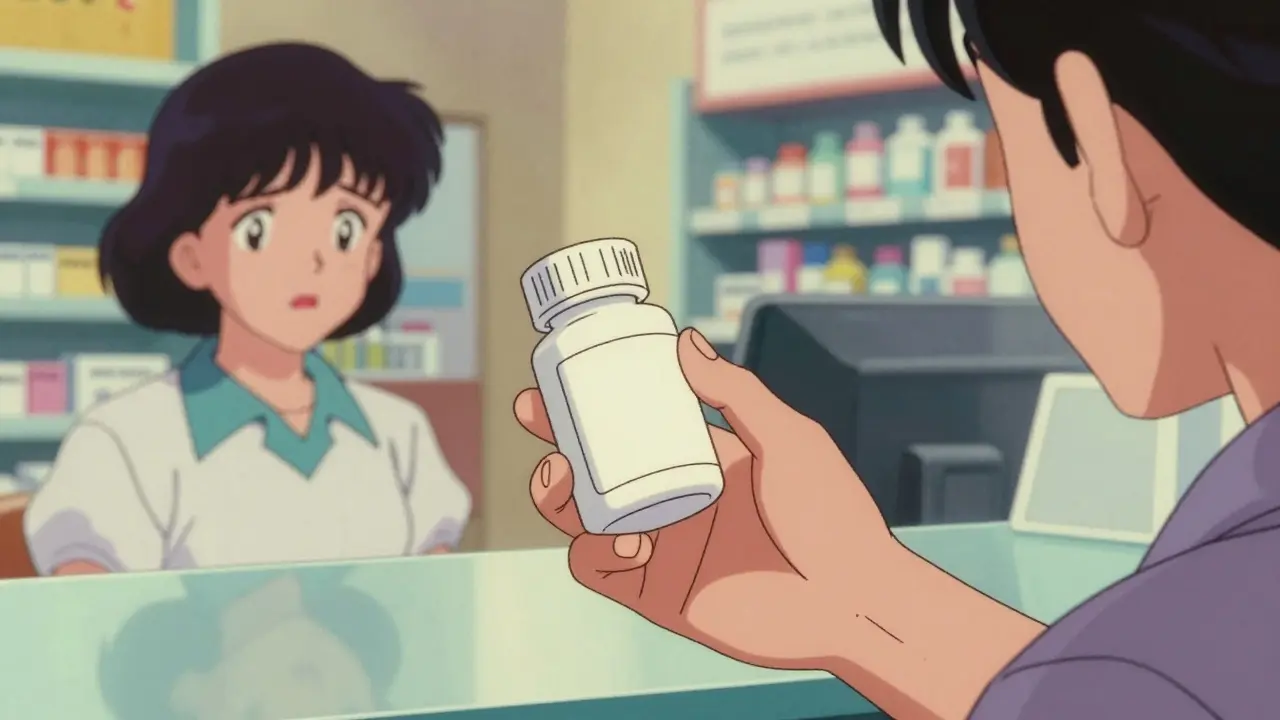
Imagine walking into a pharmacy to pick up your blood pressure medication. You expect the price to be reasonable because it’s a generic version of a brand-name drug. But what if that "generic" pill costs more than the original? It sounds impossible, but it happens when there is only one or two companies making that specific drug. This is the hidden reality of the pharmaceutical market today. While we are taught that generic drugs always mean lower costs, the math only works when multiple manufacturers compete for your prescription.
The relationship between the number of generic manufacturers and the final price on the shelf is not just theoretical; it is a precise economic engine. When patents expire, the door opens for other companies to produce therapeutically equivalent versions of a drug. However, the savings you see at the counter depend entirely on how many companies walk through that door. If only one company enters, prices barely budge. If ten enter, prices can plummet by nearly 90%. Understanding this dynamic is crucial for patients, prescribers, and policymakers who want to control healthcare spending.
The Mechanics of Price Reduction
To understand why prices drop, we have to look at the Hatch-Waxman Act, formally known as the Drug Price Competition and Patent Term Restoration Act of 1984. This legislation created the legal pathway for generic drug approval in the United States. Before this act, brand-name manufacturers held monopolies for decades after their initial patent expired, keeping prices artificially high. The Hatch-Waxman Act allowed generic makers to rely on the FDA's previous safety and efficacy findings for the brand-name drug, drastically reducing the time and cost required to bring a generic to market.
This regulatory shortcut is the fuel for competition. Because generic manufacturers do not need to repeat expensive clinical trials, they can sell their products at a fraction of the cost. According to the U.S. Food and Drug Administration (FDA), generic drugs saved the U.S. healthcare system approximately $1.7 trillion over the decade ending in 2019. More recently, an FDA study from September 2024 analyzed 742 generic applications approved in 2022 and estimated these approvals generated $14.5 billion in annual savings. These numbers are staggering, but they represent the potential of the system, not always the reality for every individual patient.
The key driver here is volume. Generic manufacturers make very little profit per pill-often pennies. To stay in business, they need to sell millions of units. When multiple companies enter the market, they engage in a race to the bottom on price to capture market share. This competitive pressure forces prices down rapidly. However, this mechanism only functions when there are enough players in the game. If the market is dominated by one or two firms, the incentive to cut prices disappears.
The Power of Competitor Count
You might assume that once a generic is available, the price drops immediately and stays low. The data tells a different story. The magnitude of the price reduction is directly tied to the number of competitors. A comprehensive cohort study published in JAMA Network Open in November 2021 provides a clear roadmap of this phenomenon. Researchers from the University of Southern California analyzed Medicare Part B drug spending from 2015 to 2019, tracking 50 brand-name drugs and their generic counterparts.
| Number of Generic Competitors | Mean Price Reduction | Market Dynamic |
|---|---|---|
| 1 Competitor | 17.0% | Minimal discount; often still expensive |
| 2 Competitors | 39.5% | Noticeable drop; moderate savings |
| 3 Competitors | 52.5% | Significant reduction; standard generic pricing |
| 4+ Competitors | 70.2% | Maximum competition; lowest possible prices |
As the table shows, the first generic entry offers a modest 17% reduction compared to the brand-name price. This is far from the "cheap generic" stereotype. It takes two competitors to get close to a 40% discount. The real sweet spot arrives with three or more manufacturers, where prices fall by over half. With four or more competitors, the average price drops by more than 70%. An earlier report from the HHS Office of the Assistant Secretary for Planning and Evaluation (ASPE) in March 2020 confirmed this trend, noting that in markets with 10 or more competitors, prices can decline to 70-80% below pre-generic levels.
This data reveals a critical insight for consumers: having a generic available is not enough. You need *multiple* generics available to see the deepest discounts. If your local pharmacy only stocks one brand of a generic drug, you may be paying a premium simply due to lack of choice.
The Consolidation Crisis
If competition lowers prices so effectively, why do some generic drugs remain expensive? The answer lies in market consolidation. Over the past two decades, the generic drug industry has undergone massive mergers and acquisitions. What was once a fragmented market with hundreds of small manufacturers has consolidated into a few large players.
A seminal study by Ernst R. Berndt, Rena M. Conti, and Stephen J. Murphy, published by the National Bureau of Economic Research (NBER), highlighted this troubling trend. Analyzing data from 2004 to 2016, they found that more than 50% of generic drugs had at most two competitors. Even more concerning, 40% of generic drugs had just one manufacturer. In these near-monopoly situations, the competitive pressure that drives prices down vanishes. Manufacturers can maintain higher prices because patients and doctors have no alternative source for that specific medication.
This consolidation creates vulnerability. When a market has only one or two suppliers, any disruption-such as a manufacturing defect, raw material shortage, or strategic exit by a company-can lead to sudden shortages and dramatic price spikes. Patients on the Patients Like Me forum reported instances where the antiepileptic drug levetiracetam saw price spikes after the market consolidated from five to two manufacturers. Similarly, discussions on Reddit’s r/pharmacy community documented price increases of 300-500% for certain generics after manufacturers exited the market. These are not isolated incidents; they are symptoms of a fragile supply chain.
Biosimilars vs. Traditional Generics
Not all "generics" are created equal. The dynamics described above apply primarily to small-molecule oral drugs-pills and capsules that are chemically identical to the brand-name version. However, a growing segment of modern medicine consists of biologics: complex drugs made from living organisms, such as insulin, monoclonal antibodies, and vaccines. The generic equivalents for these are called biosimilars.
Biosimilars face steeper hurdles than traditional generics. They cannot be exact copies; they must be "highly similar" to the reference product. This complexity leads to weaker competitive effects. The same JAMA study noted minimal uptake of biosimilars and limited price reductions under Medicare Part B reimbursement structures. The researchers estimated that if biosimilars were treated similarly to traditional generics in Medicare Part B, spending on biologics would have been nearly 27% lower from 2015 to 2019.
Furthermore, biosimilars are often infused or injected, which involves different distribution channels and provider preferences compared to oral pills. The NBER researchers documented that competition is significantly less vigorous in the market for infused or injected generic drugs. As a result, patients relying on biologic therapies often see much smaller savings than those taking common oral medications like metformin or lisinopril.
Navigating the Market as a Consumer
Understanding these market dynamics empowers you to take control of your medication costs. Here are practical steps to leverage generic competition:
- Ask for Therapeutic Substitution: Pharmacists can often substitute one generic brand for another. Under "pharmacy substitution laws" in all 50 states, pharmacists are authorized to dispense a therapeutically equivalent generic unless the doctor specifies otherwise. Ask your pharmacist if there is a cheaper generic option available from a different manufacturer.
- Check the Orange Book: The FDA maintains the Orange Book, officially titled Approved Drug Products with Therapeutic Equivalence Evaluations. This resource lists therapeutic equivalence codes. Look for "AB" rated generics, which are considered therapeutically equivalent to the reference listed drug. If multiple AB-rated manufacturers exist, you know competition is healthy.
- Use Price Comparison Tools: Websites like GoodRx aggregate data from over 70,000 pharmacies. A thread on the GoodRx community forum in January 2024 highlighted how metformin prices remain stable below $10 for a 90-day supply due to robust competition from at least eight manufacturers. Use these tools to compare prices across different pharmacies and generic brands.
- Talk to Your Prescriber: Inform your doctor if a medication is becoming unaffordable. They may be able to prescribe a different drug in the same class that has more generic competitors. For example, switching from one statin to another might yield significant savings if the new drug has more manufacturers.
Be cautious with narrow therapeutic index (NTI) drugs. These are medications where small changes in dose can lead to serious health consequences, such as warfarin or levothyroxine. For NTI drugs, consistency in manufacturer is often recommended. Discuss any switches with your healthcare provider to ensure safety.
Future Outlook and Regulatory Action
The future of generic pricing depends on balancing innovation with competition. The FDA launched the Drug Competition Action Plan in 2017 to address anti-competitive practices, such as pay-for-delay agreements where brand-name companies pay generics to stay off the market. The CREATES Act of 2019 further strengthened protections for generic entry by preventing brand manufacturers from using patent thickets to delay approvals.
However, challenges remain. The Congressional Budget Office projected in 2022 that generic and biosimilar competition would save Medicare $158 billion over 2022-2031. Yet, NBER researchers warn that continued consolidation could undermine these savings. The Federal Trade Commission (FTC) has increased scrutiny of pharmaceutical mergers since 2021, challenging transactions that reduce competition. This regulatory vigilance is essential to preserve the competitive landscape that keeps prices low.
For patients, the message is clear: generic drugs are a vital tool for affordability, but their power is unlocked only through genuine competition. By understanding the role of manufacturer count, staying informed about market trends, and actively engaging with your healthcare providers, you can navigate the complexities of drug pricing and secure the best value for your health.
Why are some generic drugs still expensive?
Some generic drugs remain expensive because there is little to no competition. If only one or two manufacturers produce a specific generic, they can maintain higher prices without fear of losing customers to cheaper alternatives. This often happens due to market consolidation, where large companies acquire smaller ones, reducing the number of competitors.
How much cheaper are generics with multiple manufacturers?
According to a 2021 JAMA study, the first generic competitor reduces prices by about 17%. With two competitors, the reduction is 39.5%. Three competitors lead to a 52.5% decrease, and four or more competitors result in a 70.2% price drop compared to the brand-name drug. The more manufacturers involved, the lower the price.
What is the difference between a generic and a biosimilar?
Traditional generics are chemically identical copies of small-molecule brand-name drugs. Biosimilars are highly similar versions of complex biologic drugs made from living organisms. Biosimilars face stricter regulatory hurdles and often have less competition, resulting in smaller price reductions compared to traditional generics.
Can I ask my pharmacist to switch generic brands?
Yes, in most cases. Pharmacy substitution laws allow pharmacists to dispense a therapeutically equivalent generic (usually rated AB in the FDA Orange Book) instead of the one originally prescribed. This can help you access a cheaper option if multiple manufacturers are available. Always consult your pharmacist, especially for narrow therapeutic index drugs.
How does market consolidation affect drug shortages?
When a market has only one or two manufacturers, it becomes vulnerable to disruptions. If one manufacturer faces production issues or exits the market, there are few backups, leading to shortages and sudden price spikes. Diversified markets with many manufacturers are more resilient to such shocks.